People · Islote de Hilario, Parque Nacional de Timanfaya (Yaiza)
Timanfaya, the mountain that still burns
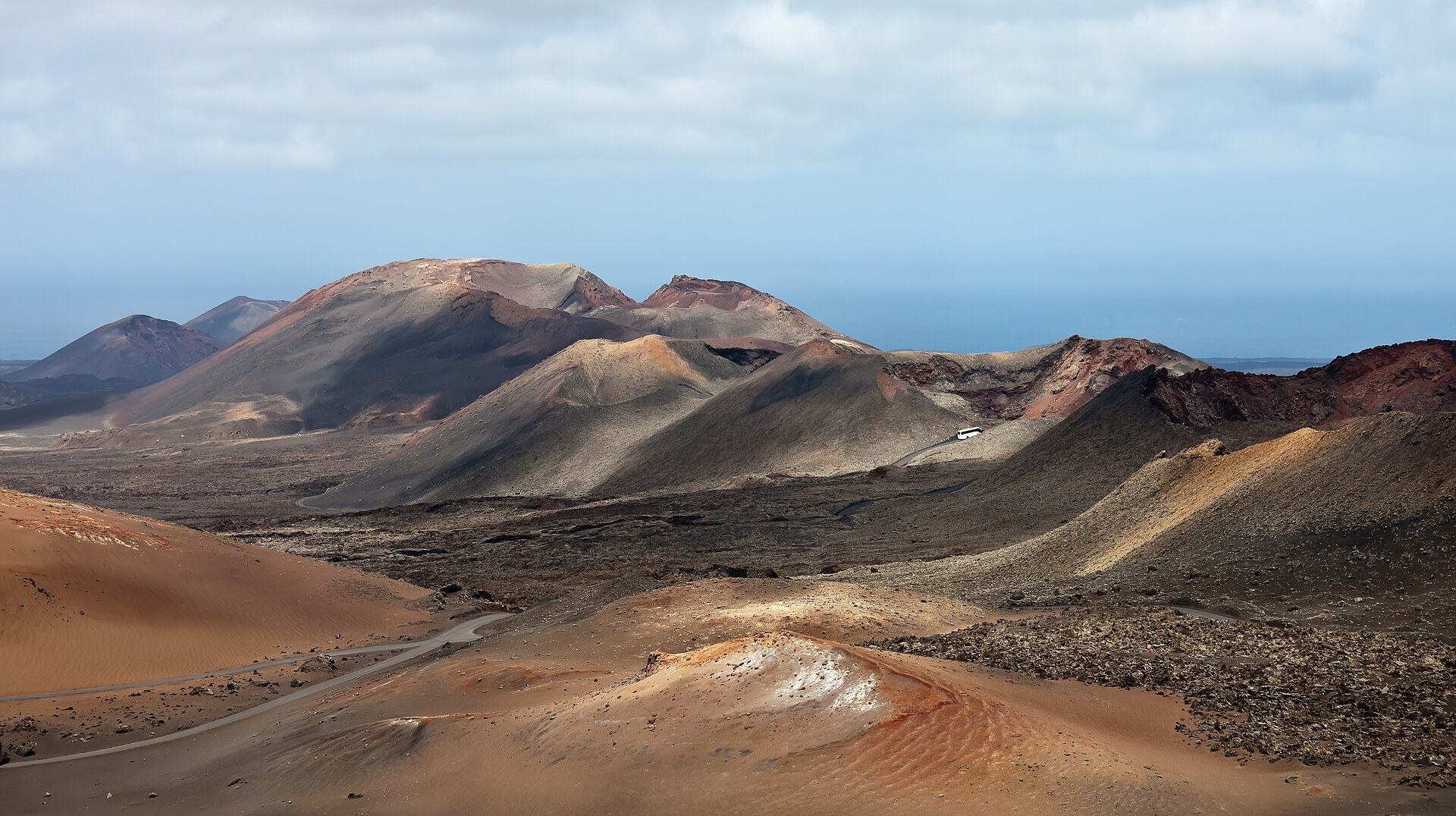
It split open one night in 1730 and burned for six years. Then it became a place for outings, parties and experiments, until Manrique and the national park made it what we see today.
By Irya Picasso · 2026-11-20
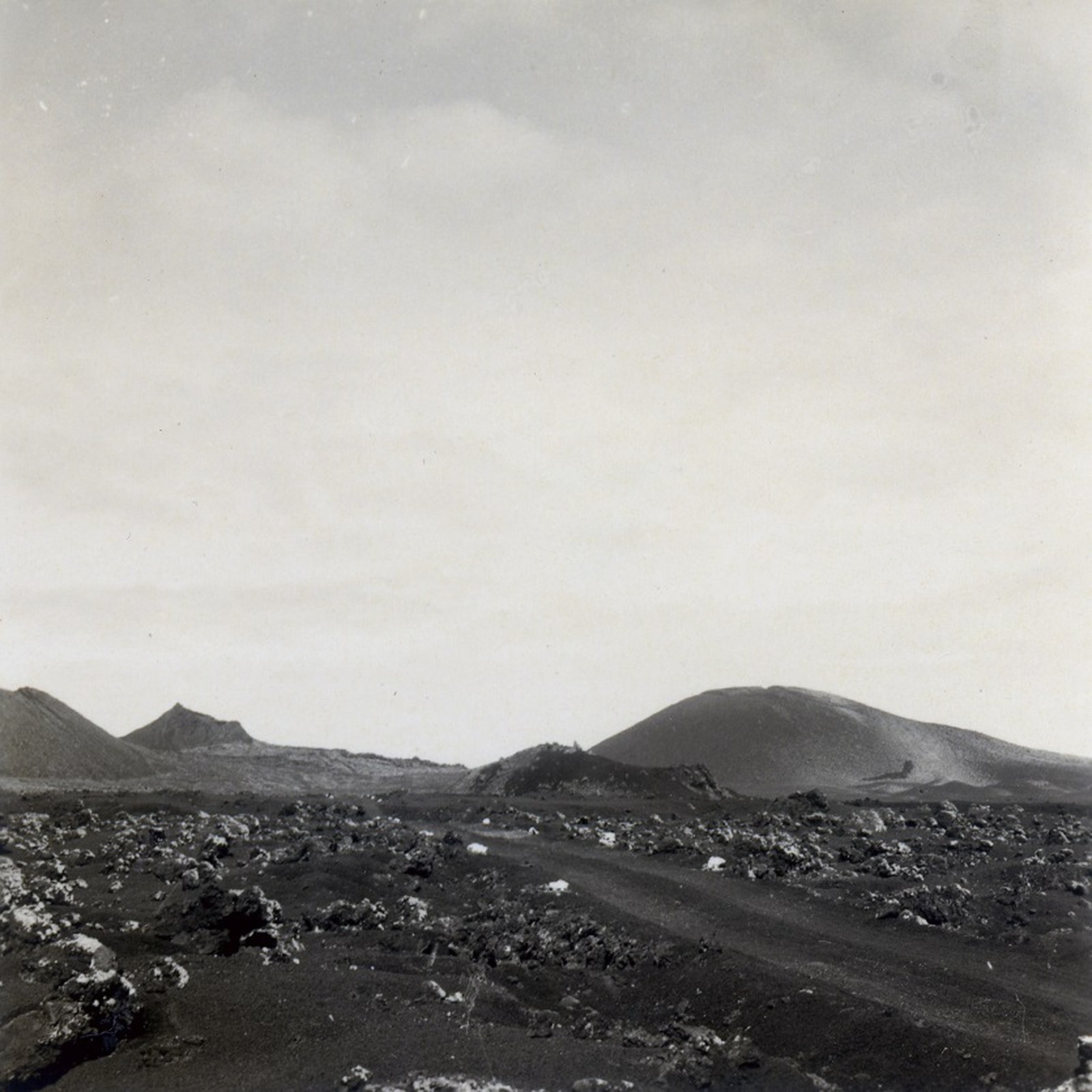
The parish priest of Yaiza, Andrés Lorenzo Curbelo, noted that on 1 September 1730, between nine and ten at night, the earth suddenly split open near Timanfaya, two leagues from the village. It was the start of the longest eruption in the history of the Canary Islands: almost six years of fire, until 1736. The lava covered nearly a quarter of the island and buried whole villages, such as Santa Catalina.
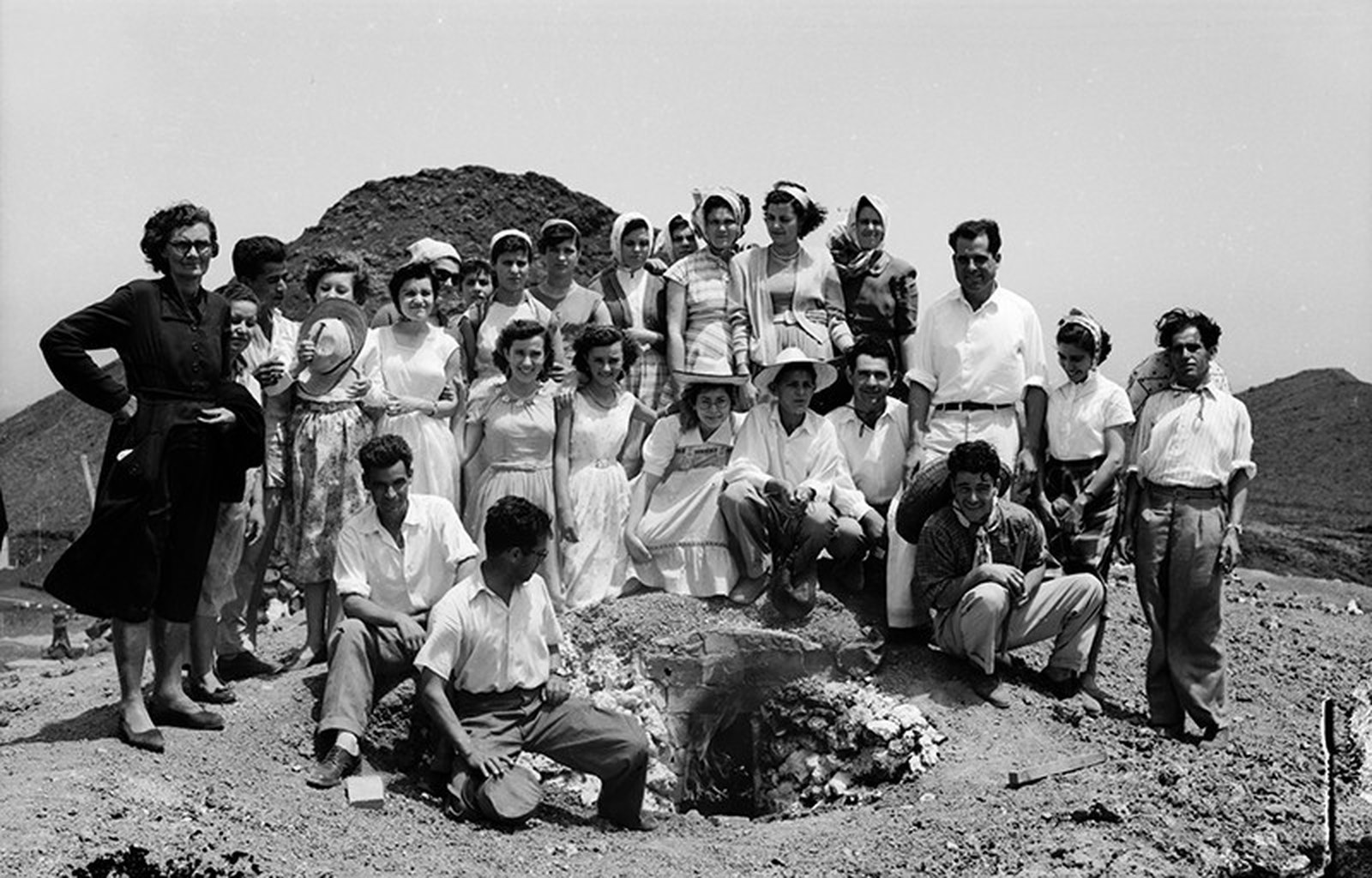
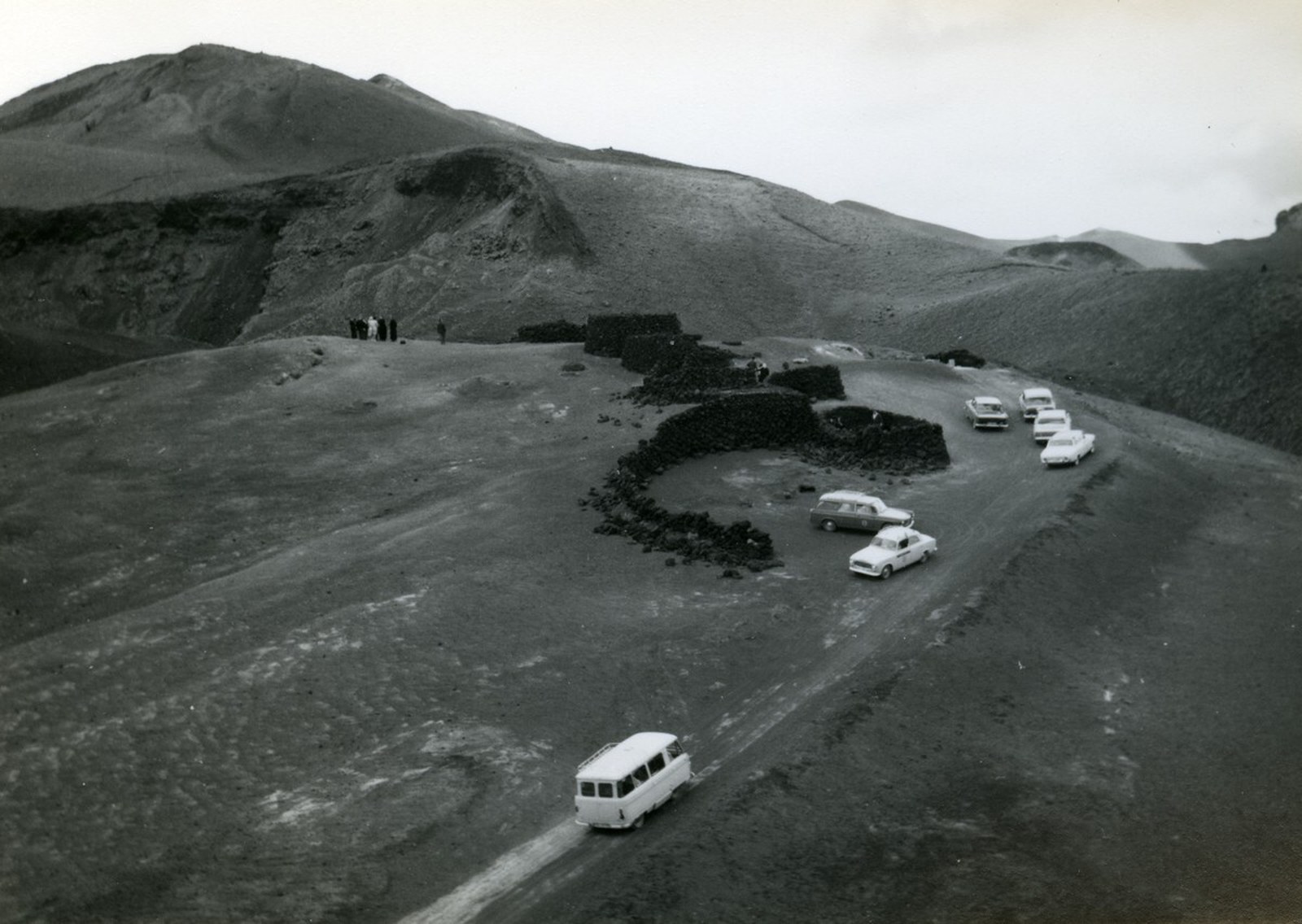
Two centuries later, that inferno had become a place for a good time. In the 1950s islanders came up to the Fire Mountains on outings: they ate at an old picnic house, roasted food in ovens heated by the earth and sang to the guitar. In May 1938 a nineteen-year-old had come up too: César Manrique.
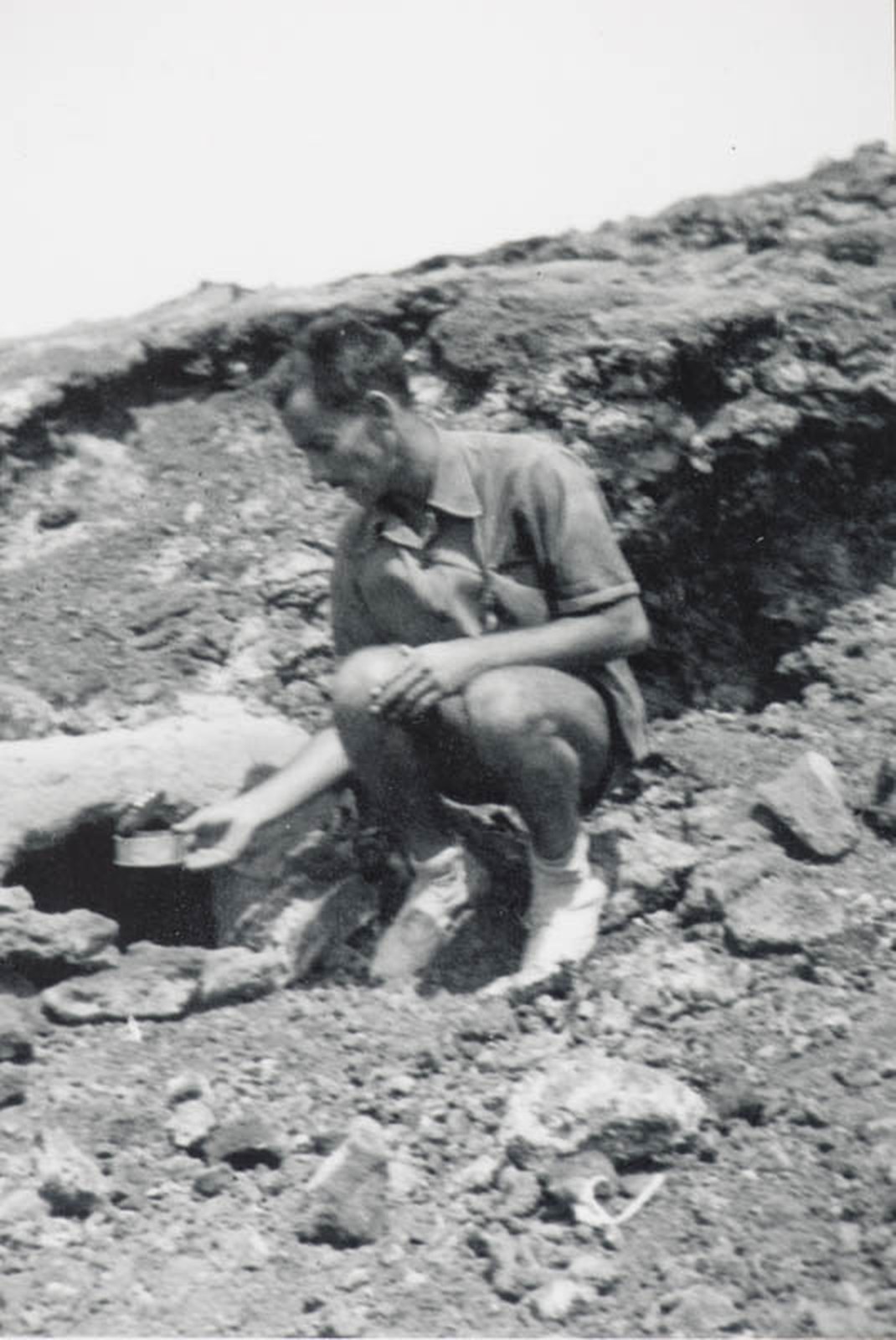
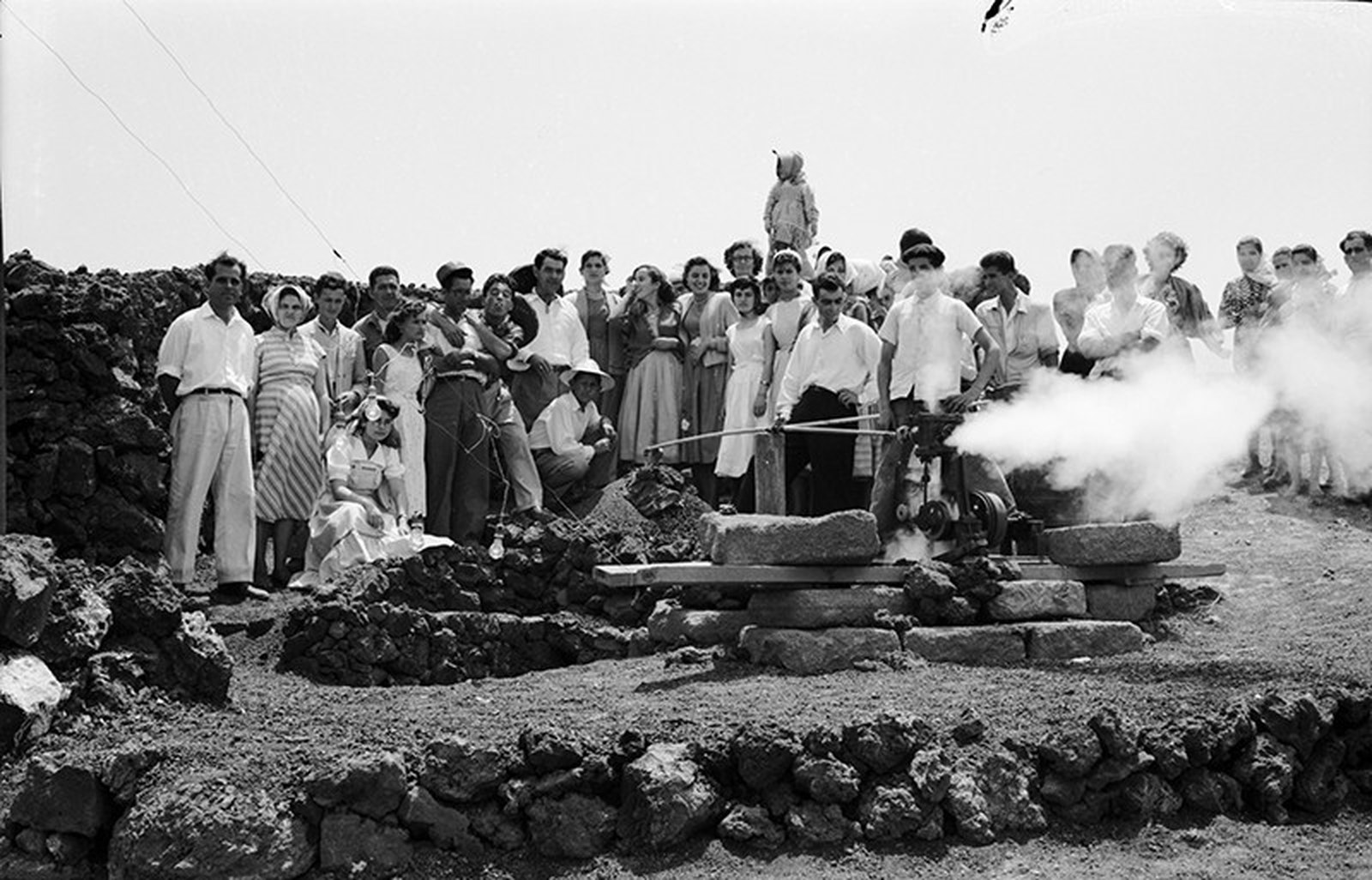
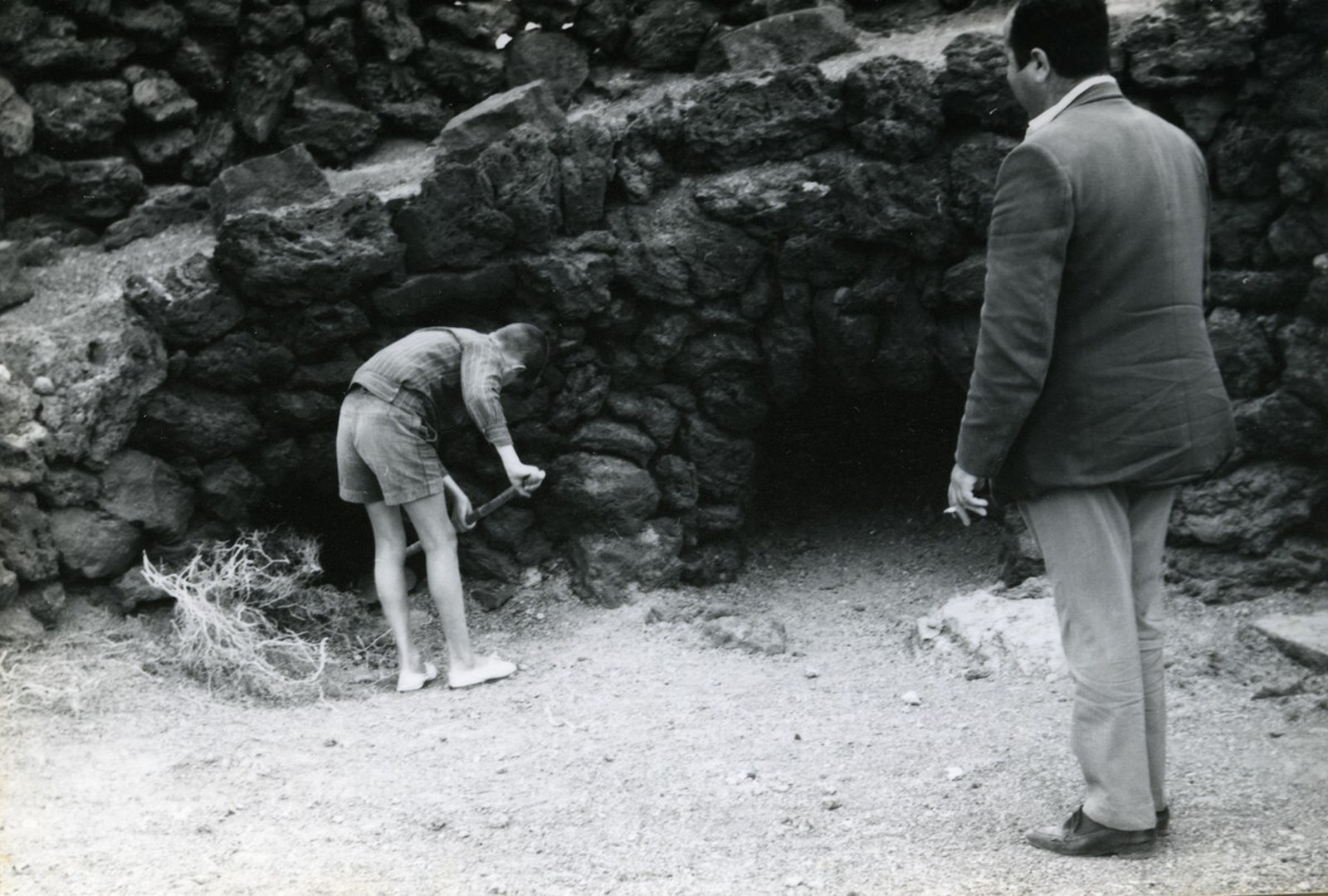
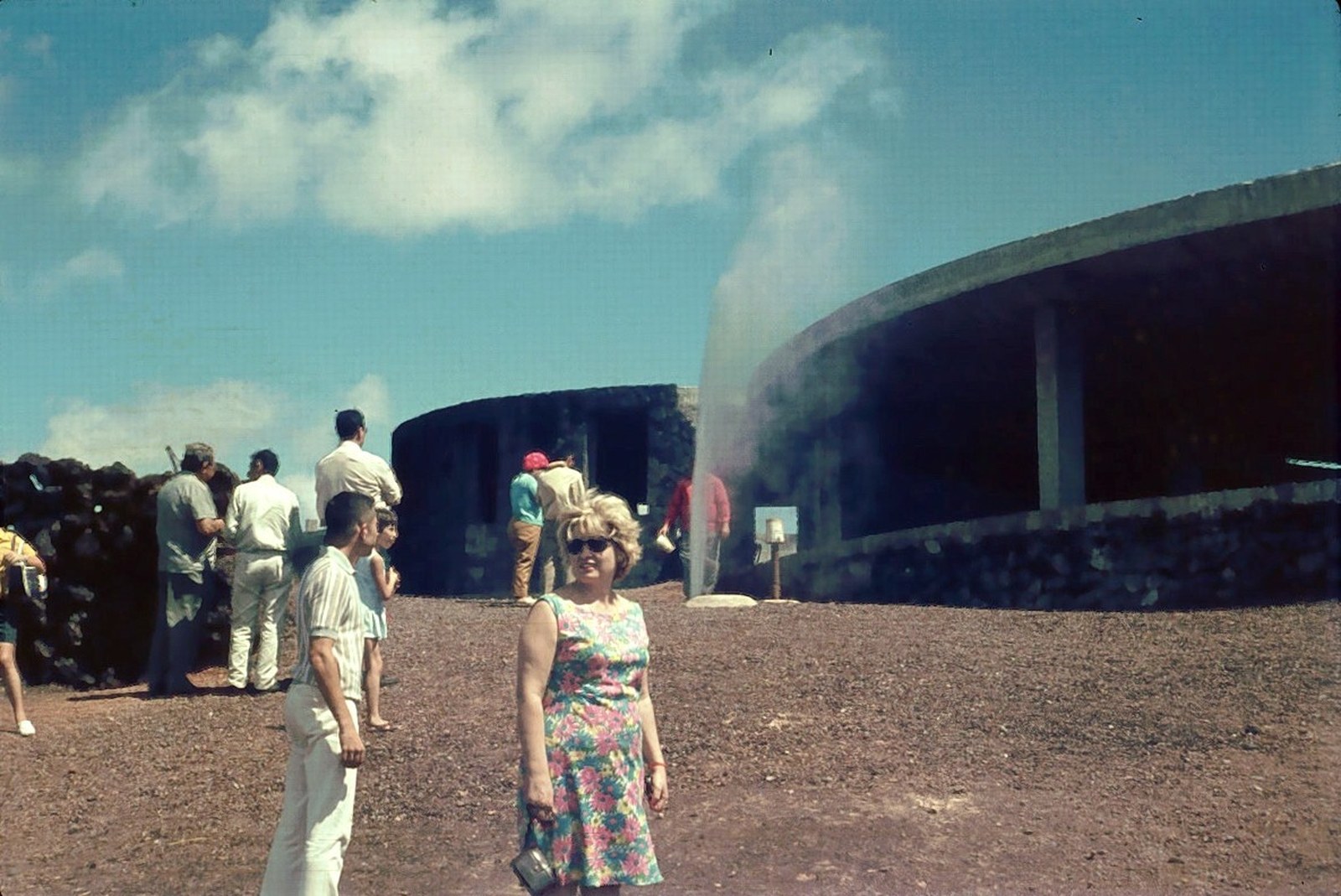
At the Islote de Hilario the ground is hot: over a hundred degrees at the surface and over six hundred at thirteen metres down. They say the hermit Hilario lived here with his camel and planted a fig tree that never bore fruit. In 1956 a lawyer from Madrid, Francisco Pons Cano, tried to make electricity from that heat, and managed to light a row of light bulbs.
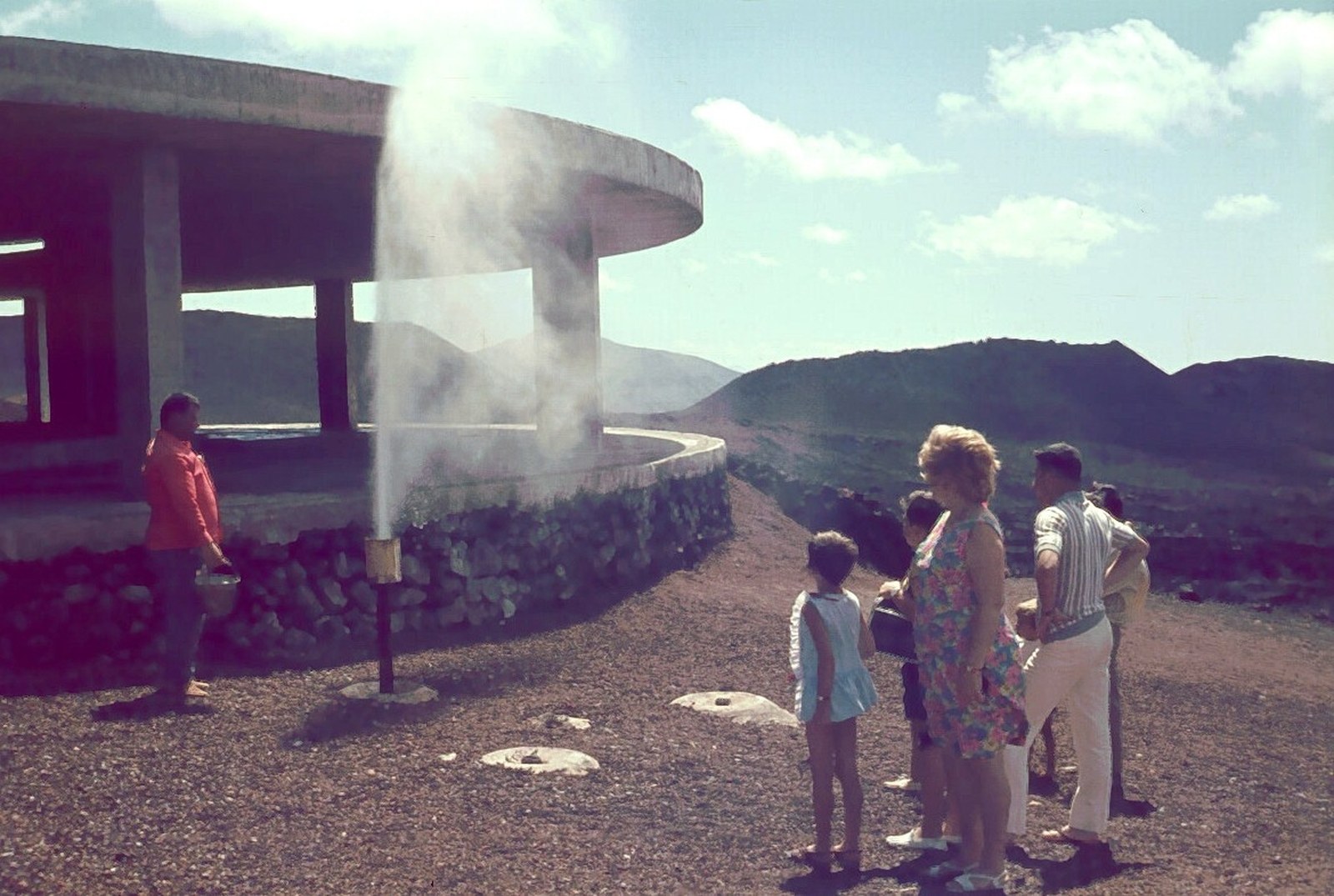
In 1970 Manrique opened El Diablo here, a restaurant that grills with the heat of the volcano, and Jesús Soto laid out the Volcano Route among the craters. On 9 August 1974 the Fire Mountains became Timanfaya National Park: 51 square kilometres where life returns slowly, starting with the lichens.