
Art · MIAC – Castillo de San José, Arrecife
The fortress that learned to look at art
Built to guard a harbour, Castillo de San José has sheltered one of Spain’s first contemporary art museums since 1976.
By Javier González · 2026-09-26
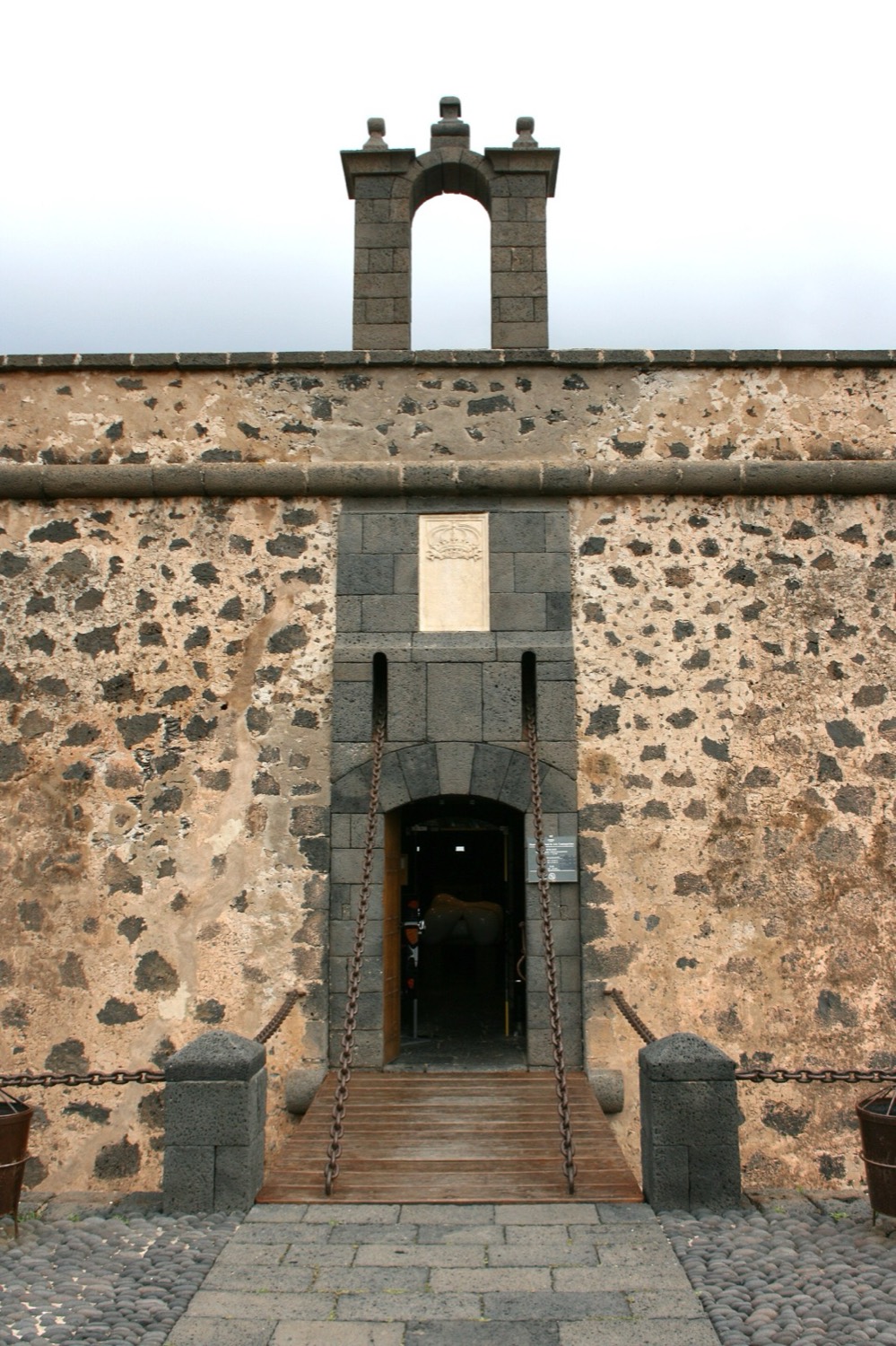
Some buildings change trades without losing their voice. Castillo de San José, perched above the bay of Arrecife, was built for defence and now keeps watch over paintings and sculpture instead. Its thick walls of dark stone still face the sea with the same composure; only the treasure inside has changed.
Charles III had it raised between 1776 and 1779 to protect Puerto de Naos. Islanders came to call it the “Fortress of Hunger” — not as a complaint, but because in years of real hardship the building work kept many Lanzarote families fed. Few strongholds can say they nourished people before they ever defended them.
From garrison to gallery
In the mid-1970s César Manrique led its restoration with the same instinct he brought to the whole island: honour the stone, let the light in, invite the landscape to step through the door. On 8 December 1976 the International Museum of Contemporary Art opened here, a pioneering venture for the Canaries and for Spain as a whole. Its first exhibition brought together 180 artists.
The collection holds work by Agustín Cárdenas and by Pancho Lasso, a sculptor born on Lanzarote, among many others. Walking through it beneath the vaults is quietly unusual: abstraction sits beside the building’s military hush, and every room seems to ask for a lowered voice.
At the end of the visit comes the glass-walled restaurant Manrique designed to hover over the water. From its tables the whole bay of Arrecife opens up — boats, harbour, the shifting afternoon light — like one more work hung in the house.
What strikes you on entering is not contrast but harmony. The volcanic stone, walls built for defence and the vaulted ceilings receive the artworks without crowding them, as if the building had waited two centuries for a gentler purpose. Outside, the Atlantic keeps lapping softly against the rock.
This December the museum turns fifty. Reason enough to climb the stone ramp again and see how a fortress built against fear has become, over time, a place made for looking slowly.