People · Guatiza (Teguise)
Guatiza, between legends and prickly pears
A camel that kneels, a Christ that comes in from the sea and a tiny insect that gives carmine red: the story of the prickly-pear village, told through its old photos.
By Luz Lobos · 2026-11-19
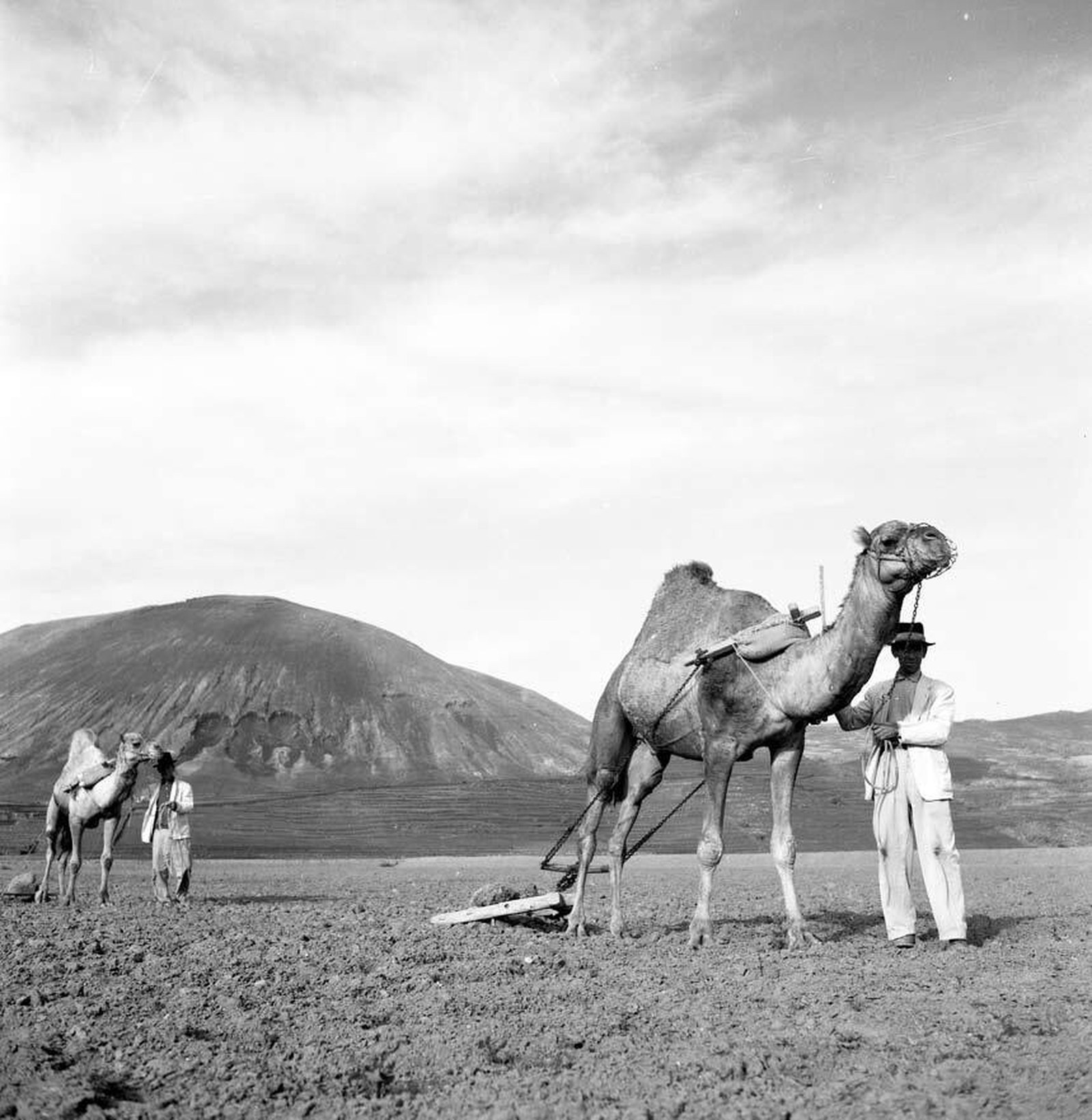
In Guatiza they say the first village was not down here. It was called Santa Margarita and stood on the slope where the cemetery is today. Legend has it that a woman from Uga, to keep a promise, tied the image of the saint to a camel and let it walk: wherever it knelt, the chapel would be built. The animal crossed the island and sank down, exhausted, at the foot of the Guenia mountain.
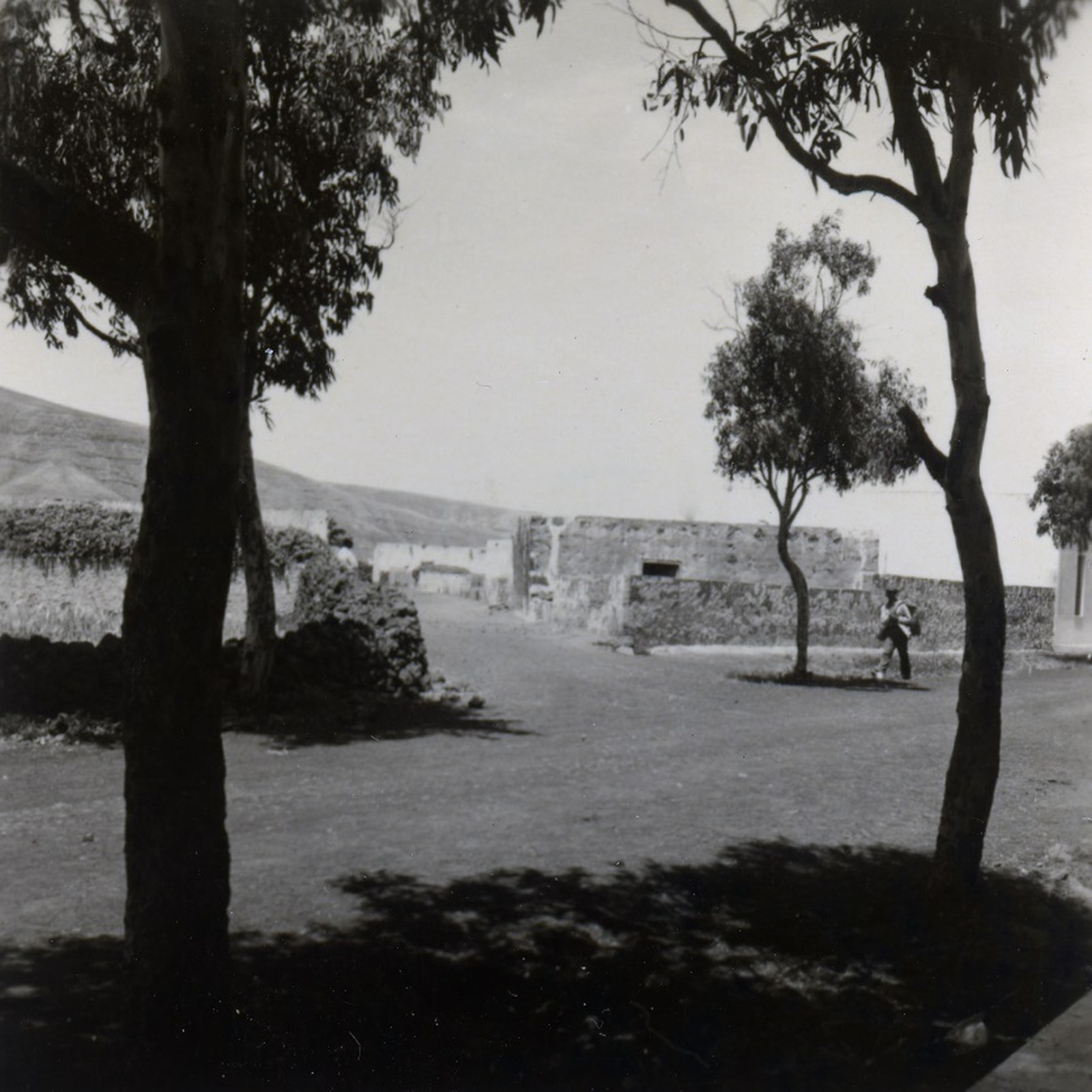
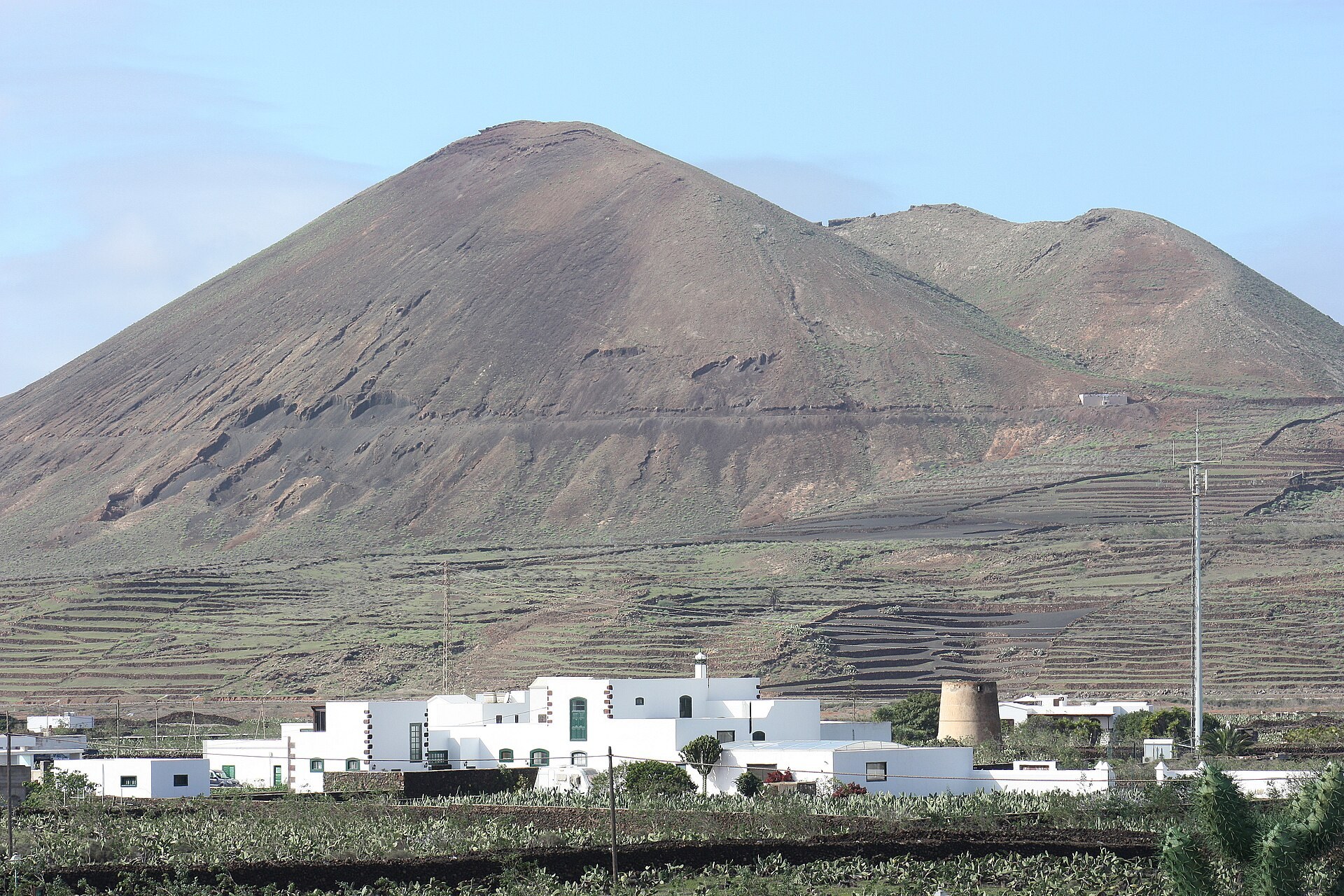
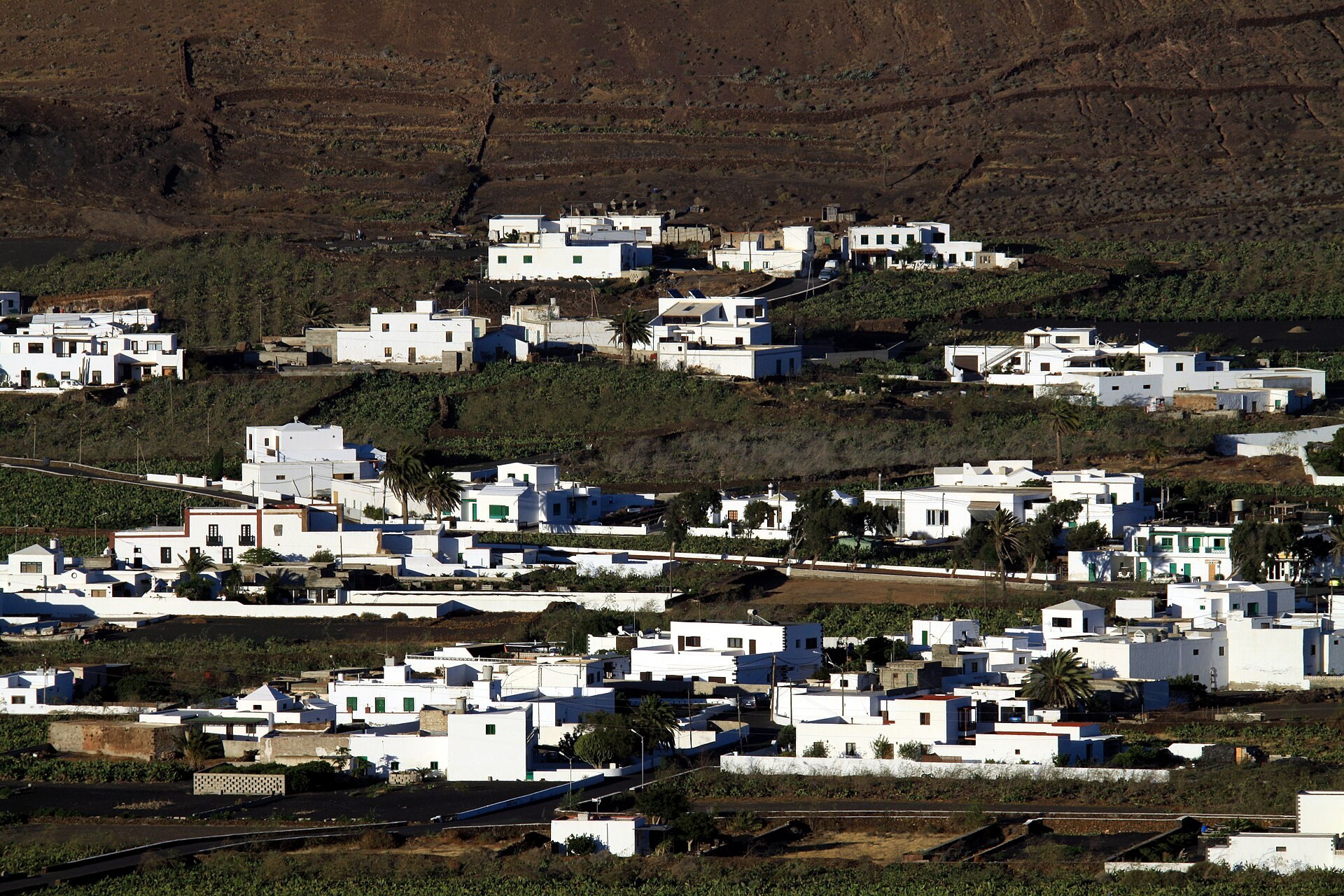
From up there you could see the sea, and from the sea you could see the houses. After the pirate raids of the 16th century, in the 17th the villagers moved down to the plain, sheltered by Tinamala and Las Calderetas, where no one could see them from the coast. Another legend explains their church: in a year of drought, a shepherd found a wooden Christ on the beach; a few days later it rained and the harvest was plentiful. This is the Cristo de las Aguas, carried in procession every September.
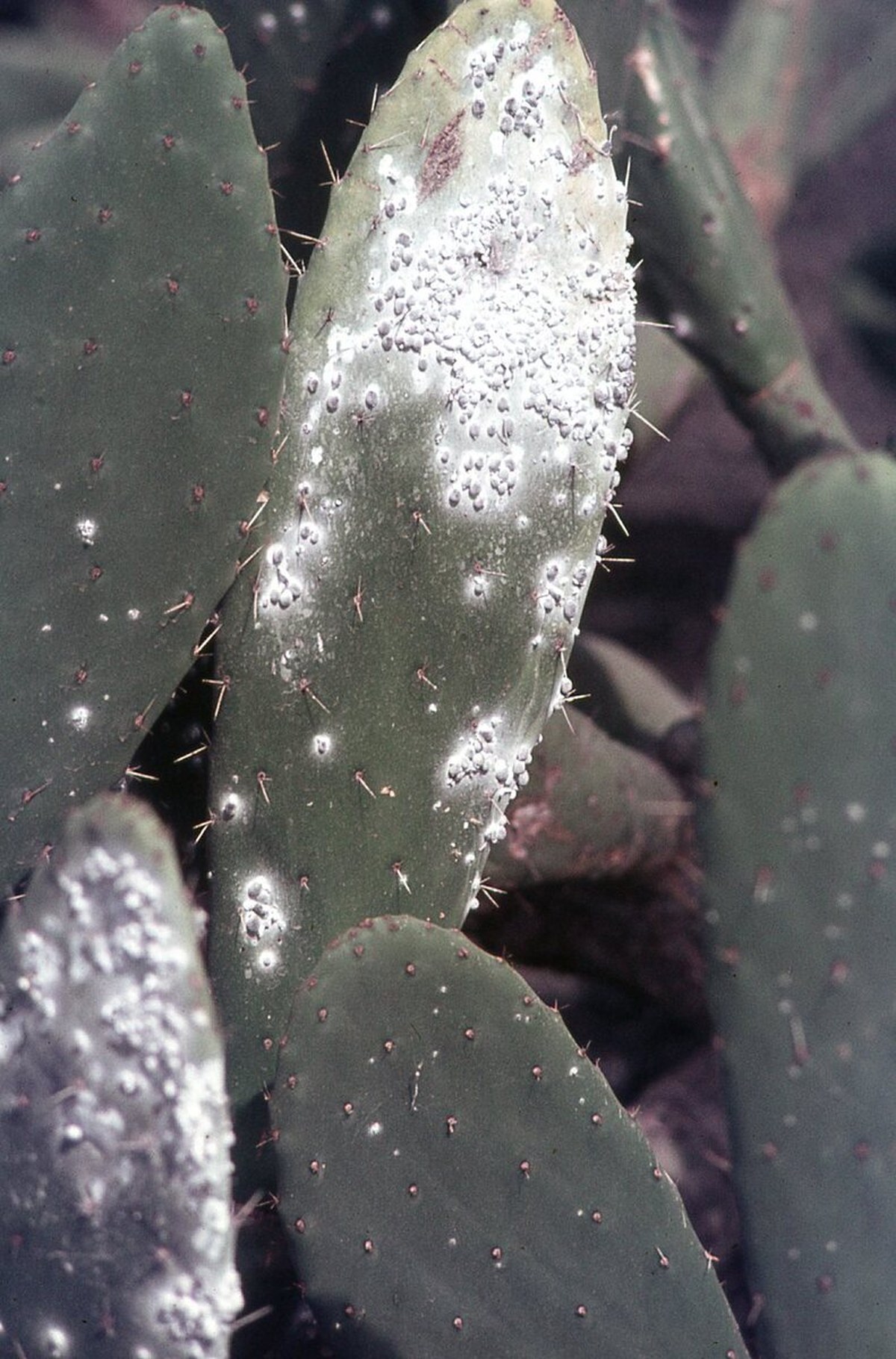
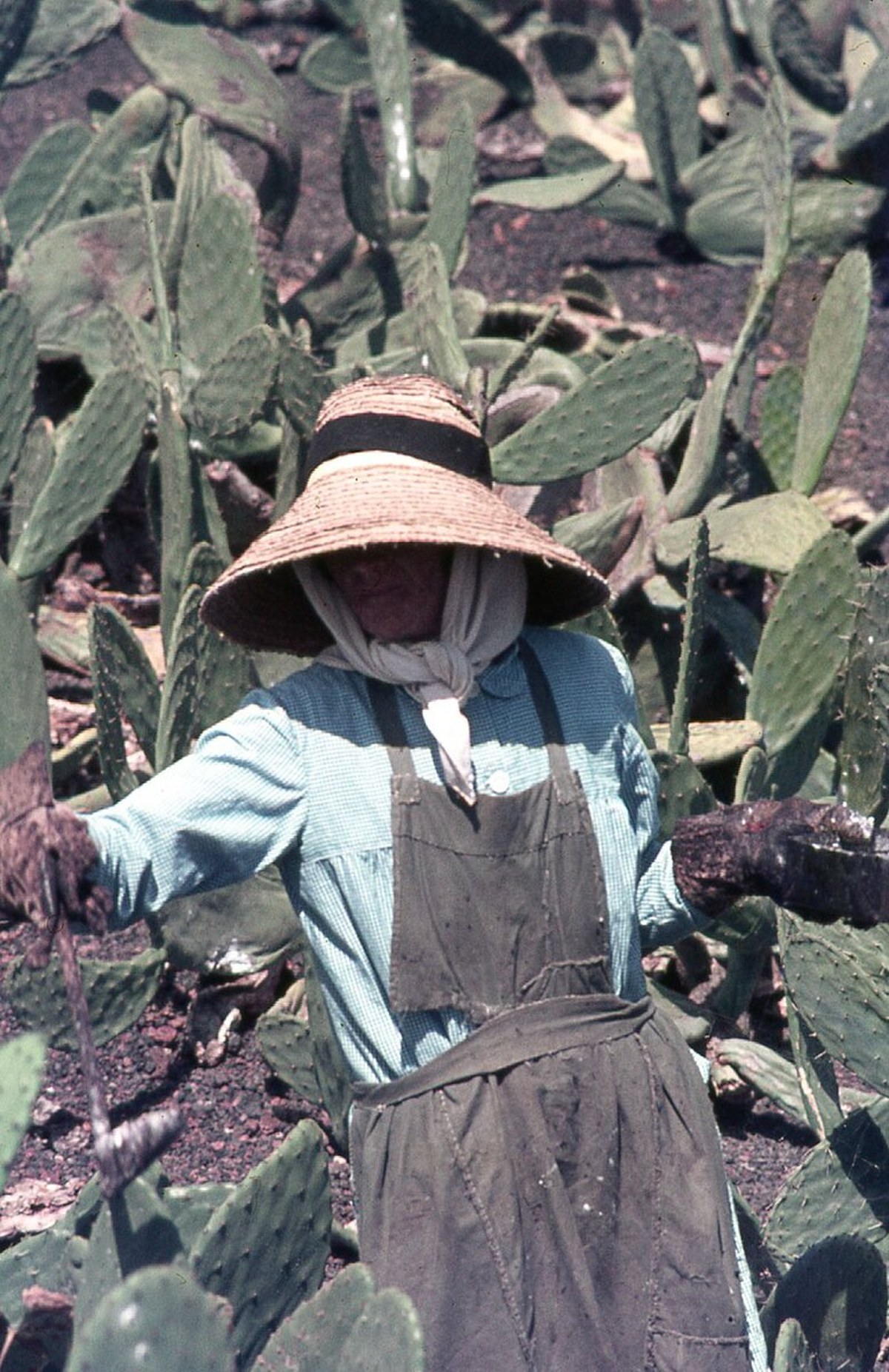
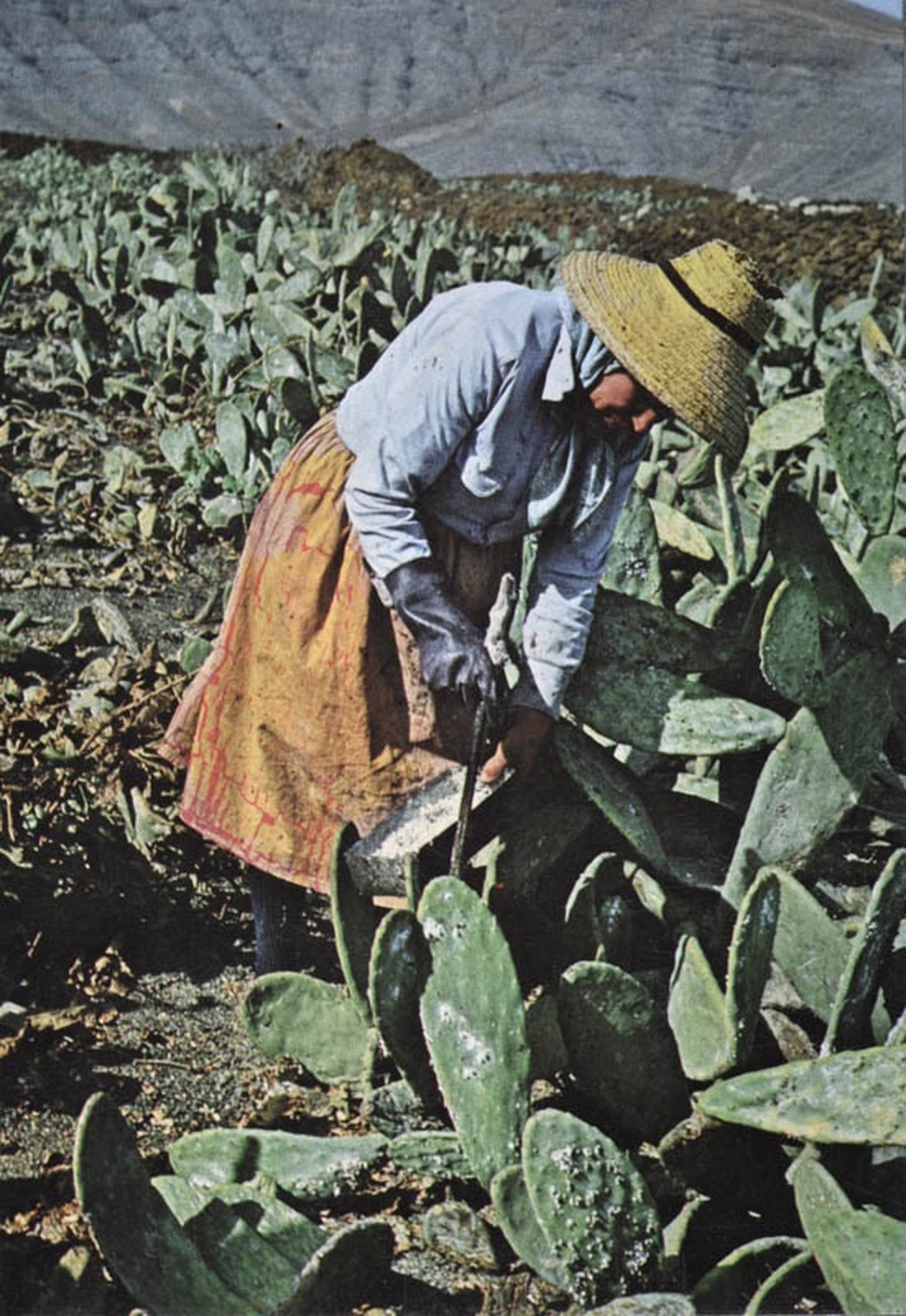
The land was good: chickpeas and barley sold to Tenerife and Gran Canaria. In the 19th century came the cochineal, a tiny insect that lives on prickly pear pads and gives carmine red. It made the fortune of Guatiza and Mala, until synthetic dyes arrived. Here, though, the harvest never quite stopped: by hand, pad by pad, with the sombrera against the sun.
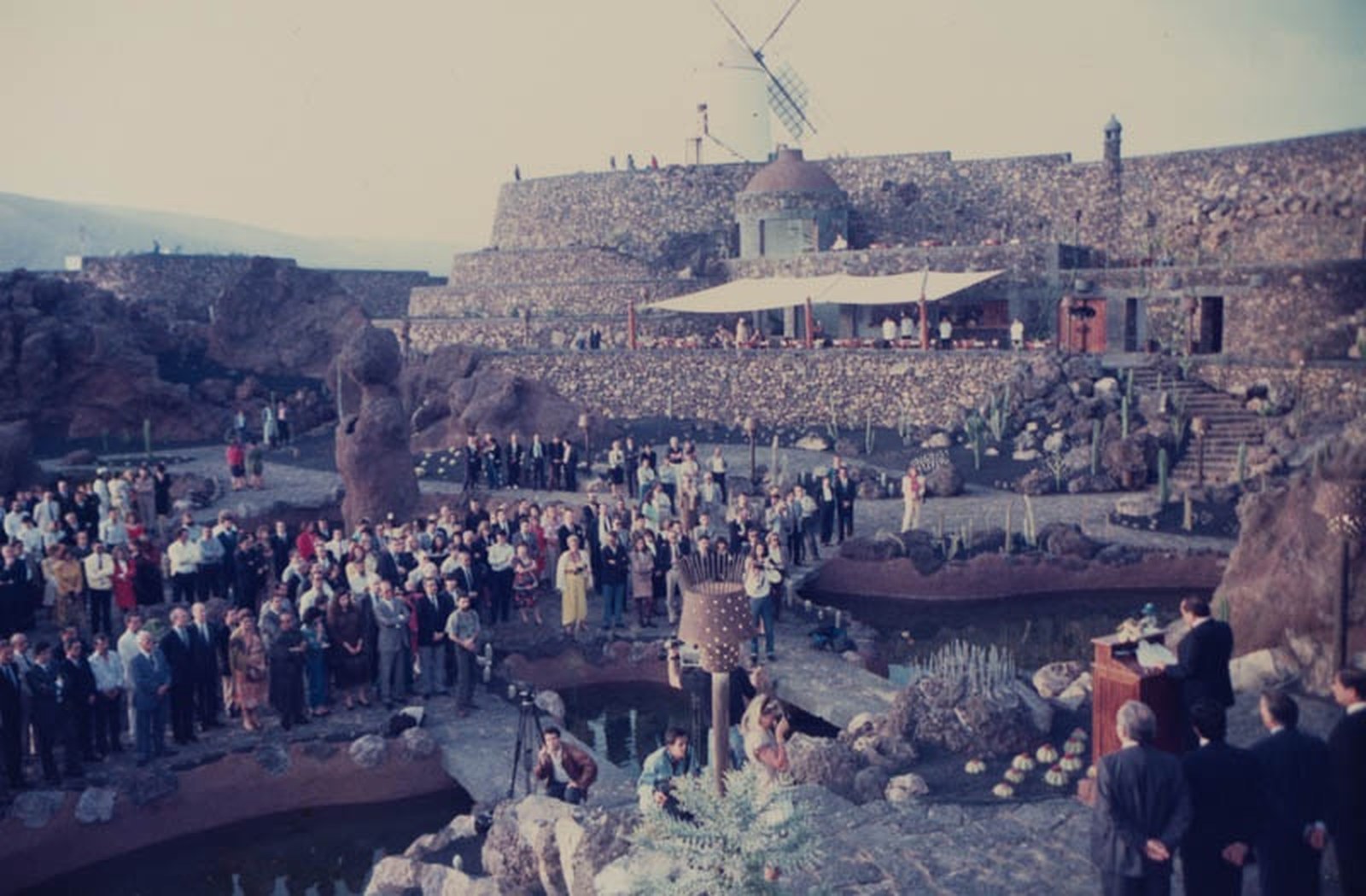
Today Canary Islands cochineal has a protected designation of origin and still colours food and cosmetics. And in 1990, in an old ash quarry beside the windmill, César Manrique opened his last great garden: the cactus garden, for the plant that once fed the village.