People · Quesería El Faro, Teguise
Lanzarote cheese and the island’s oldest dairy
From the majos’ goats and some mysterious stones called ‘queseras’ to a woman in Teguise who made cheese with her hands: the story of Lanzarote cheese.
By Francesco Esposito · 2026-11-23
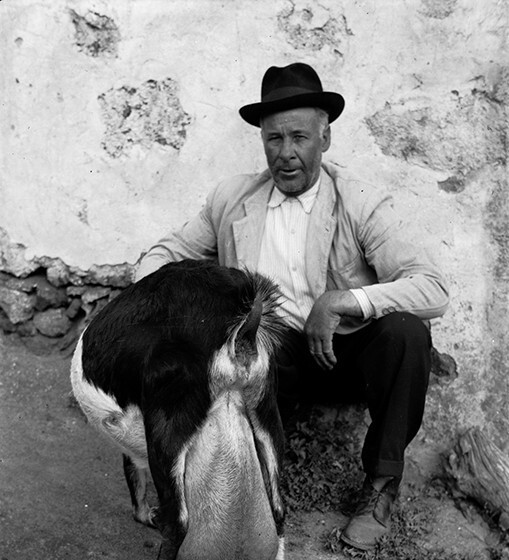
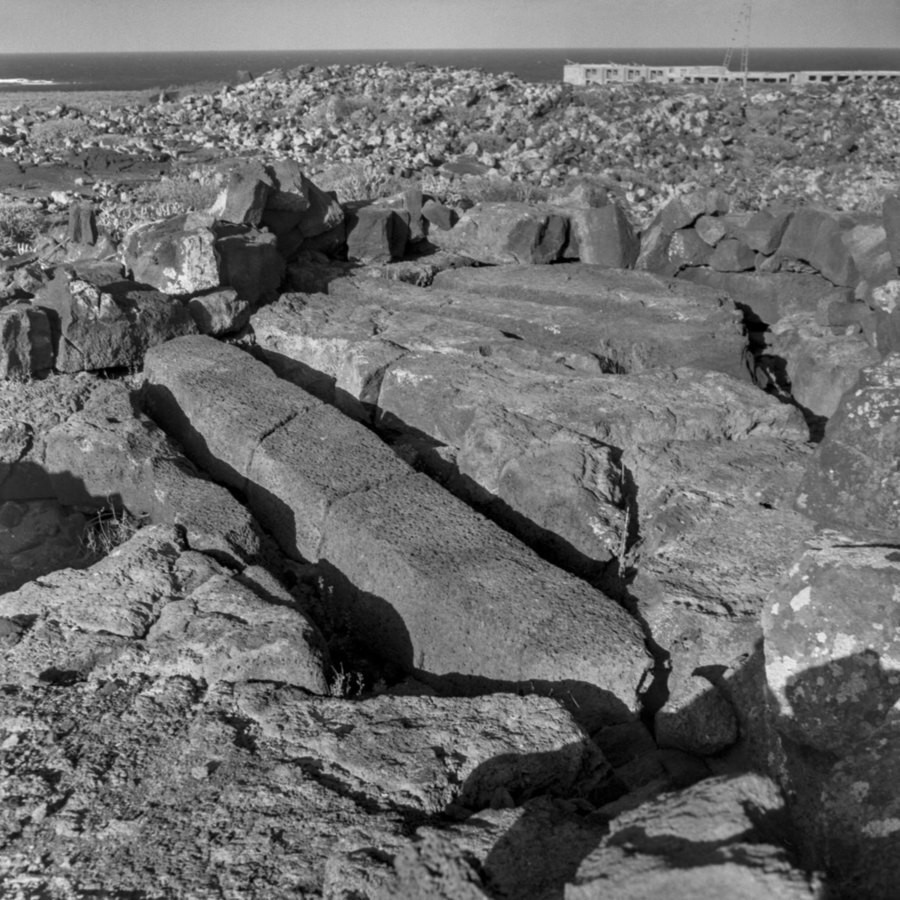
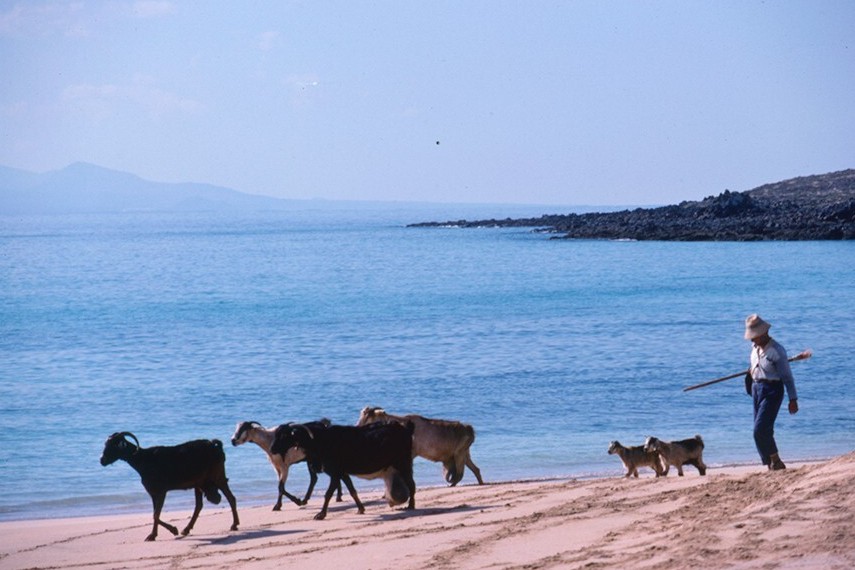
On Lanzarote, cheese begins with goats. The majos, the island’s first people, lived mainly from their herds: goats and sheep kept for their milk. Whether they already made cheese, archaeologists cannot say for sure. What remains are some mysterious stones: parallel channels carved into the basalt, which people called ‘queseras’ because they look like the boards cheese is made on. Two survive, at Zonzamas and near the Jameos del Agua, and nobody yet knows what they were for.
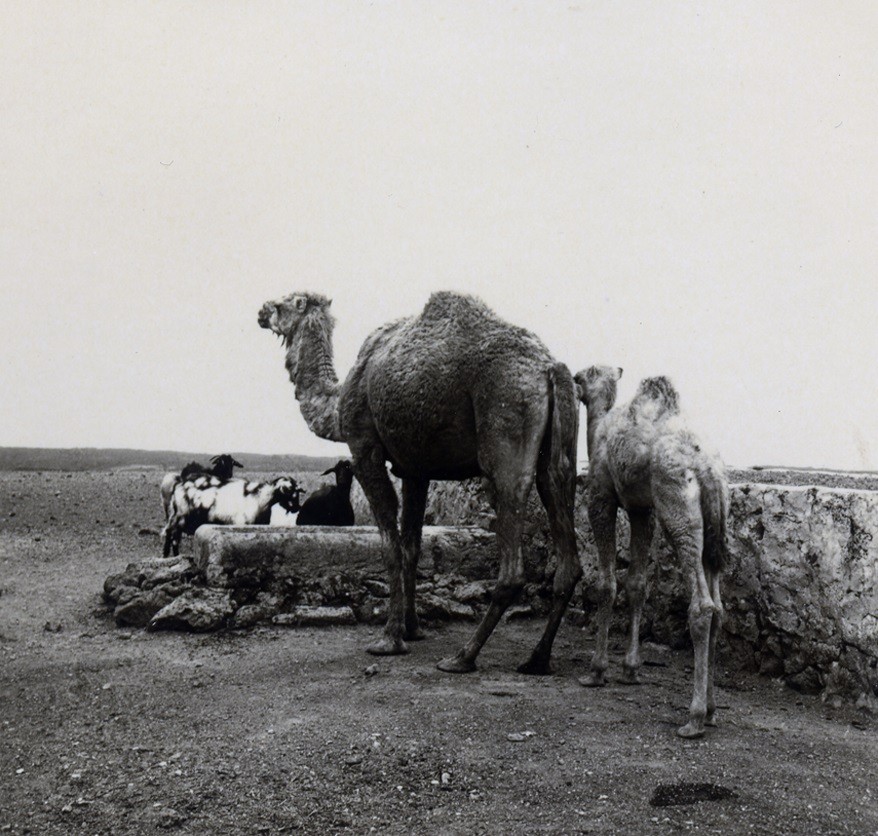
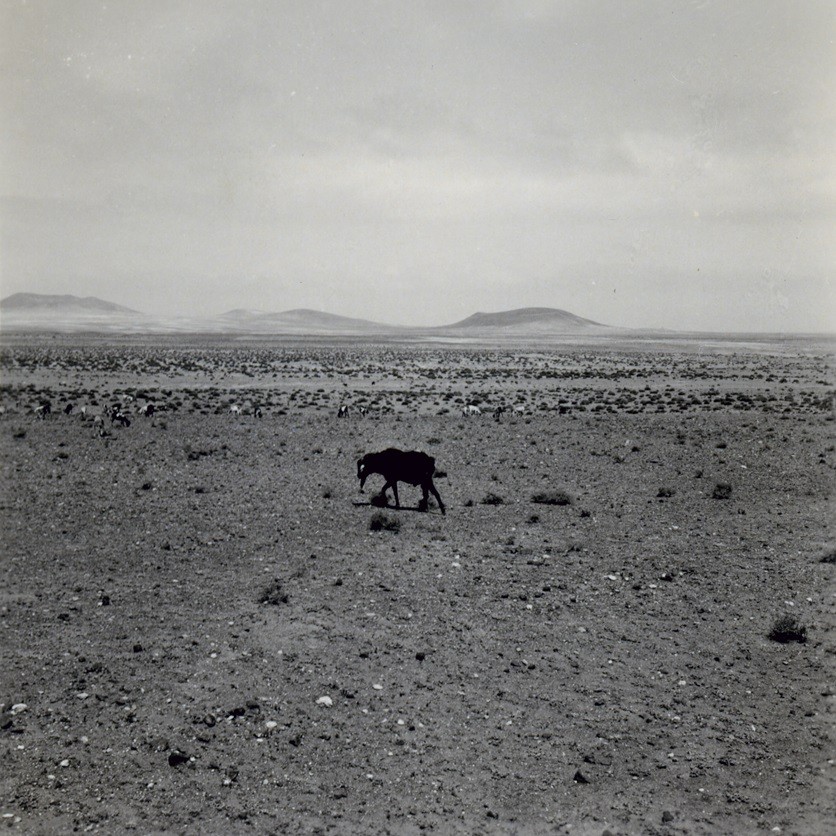
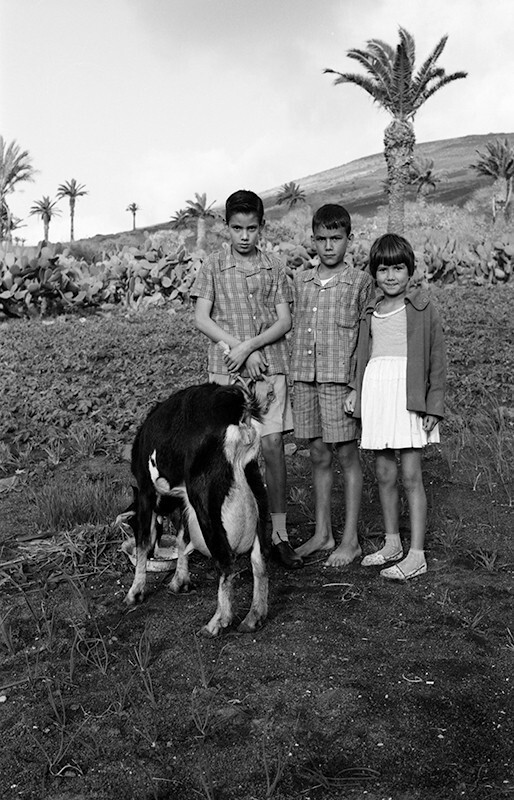
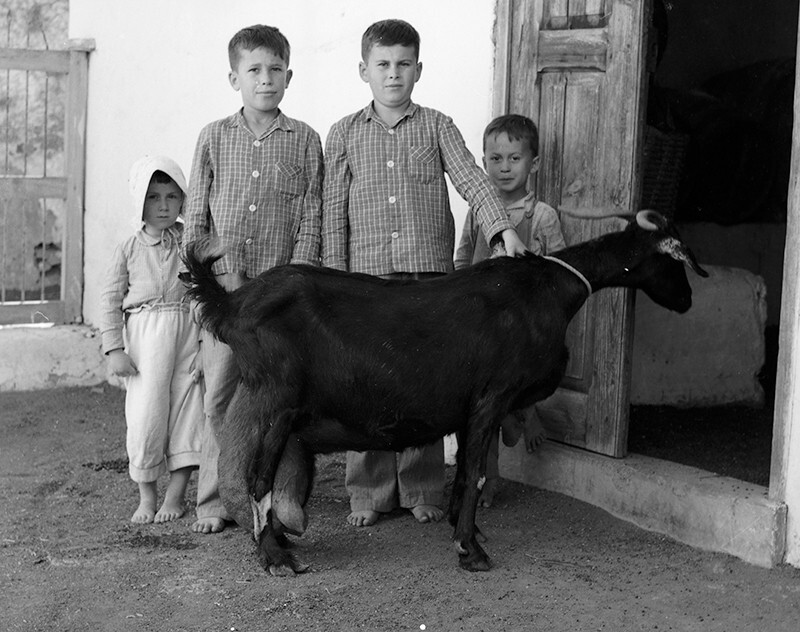
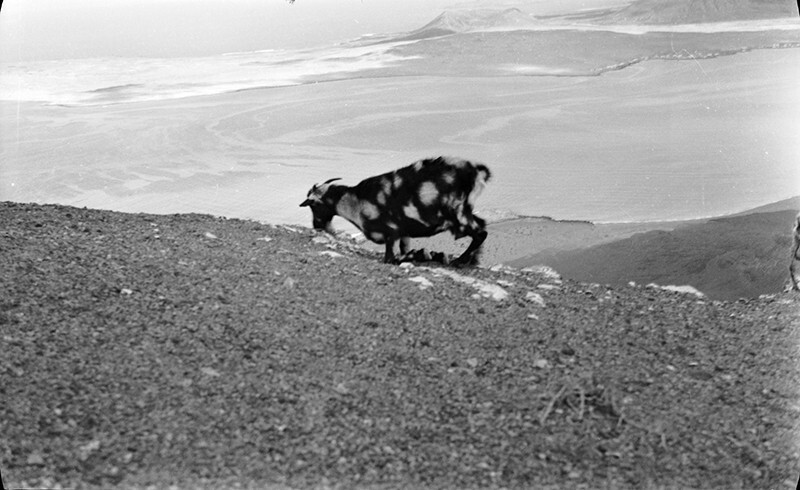
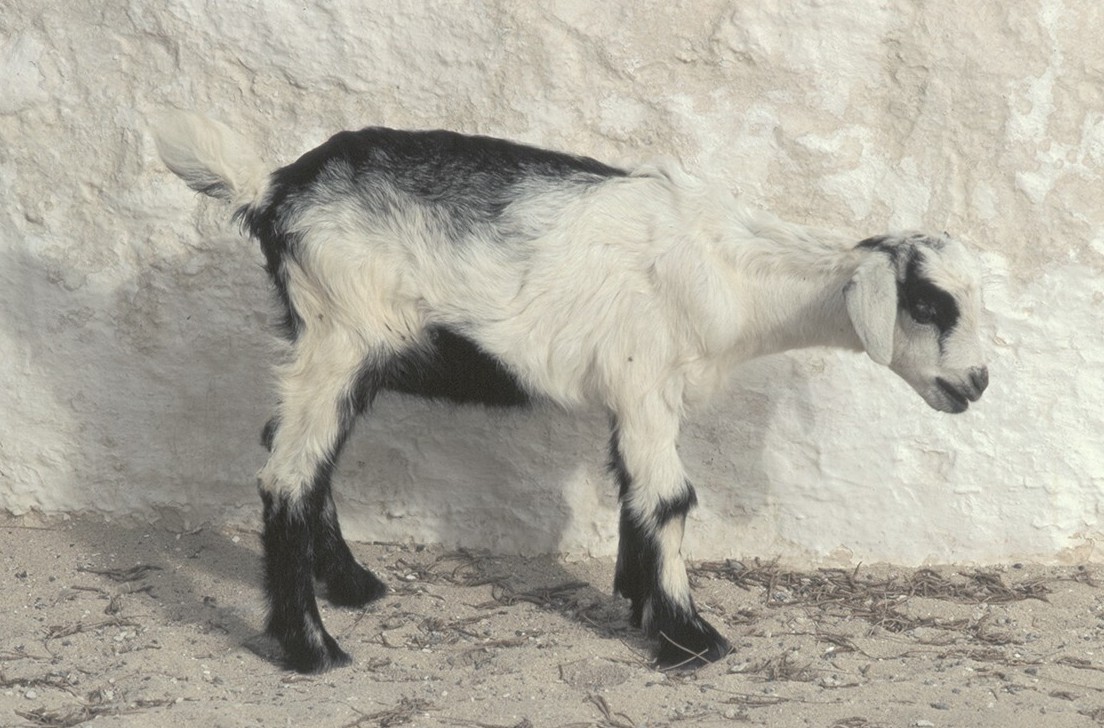
For generations cheese was made at home, with freshly drawn milk, rennet from a kid goat and bare hands. The goats were of the Majorera breed, the Canary Islands’ own, and they grazed on the jable sands, on the Famara cliffs and around the wells of the south.
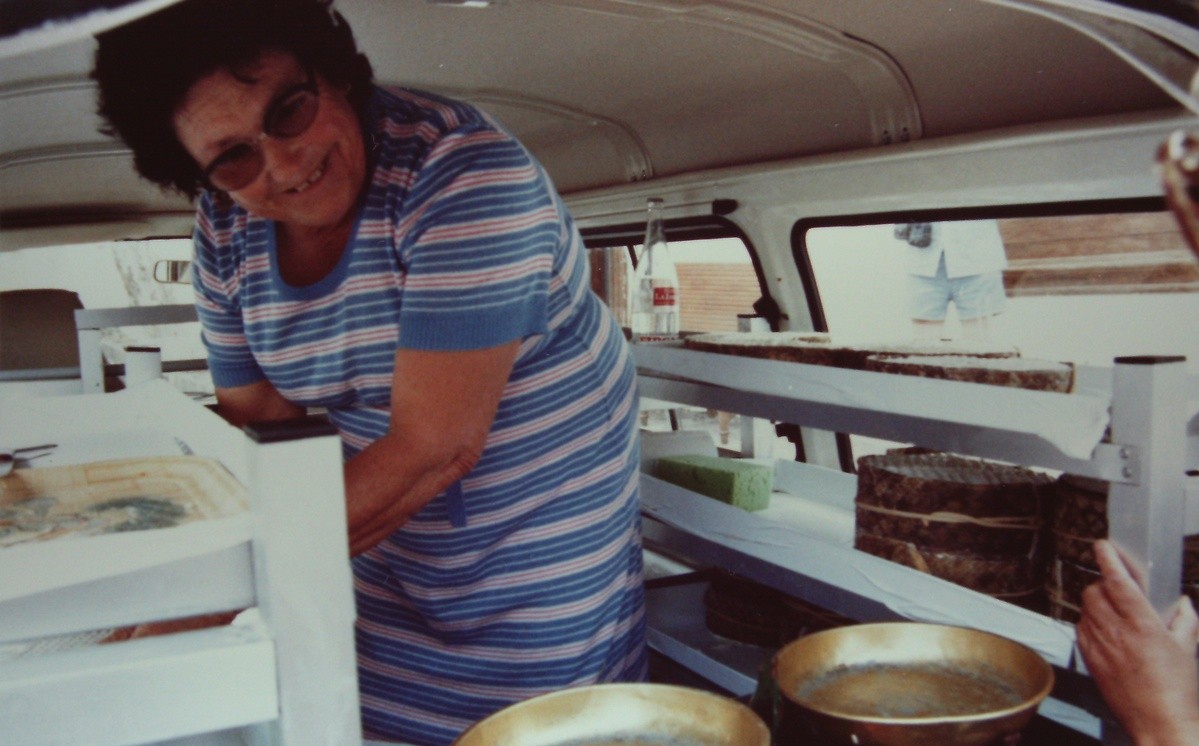
The island’s oldest cheese dairy was born that way, more than half a century ago, in the Villa de Teguise. Dolores Camacho Saavedra made cheese the way she had watched it made since she was a girl, and her husband, Santiago Hernández Machín, sold it. Dolores taught the cheesemaker who came after her, who worked there for thirty years and in turn taught the next. This is the Quesería El Faro. Since 2017 it has been run by the Viña Melián family, who knew it from Venezuela: their father, an emigrant from Lanzarote, always went back there with El Faro cheeses.
Today the island has about fifteen artisan dairies, and their goat’s cheeses win medals at the World Cheese Awards. They are eaten fresh, young, semi-cured or cured, smoked or rubbed with gofio or paprika, and at El Faro they are still salted with salt from the Janubio salt pans.