People · La Molina de José María Gil, San Bartolomé
Gofio, from the field to the last mill
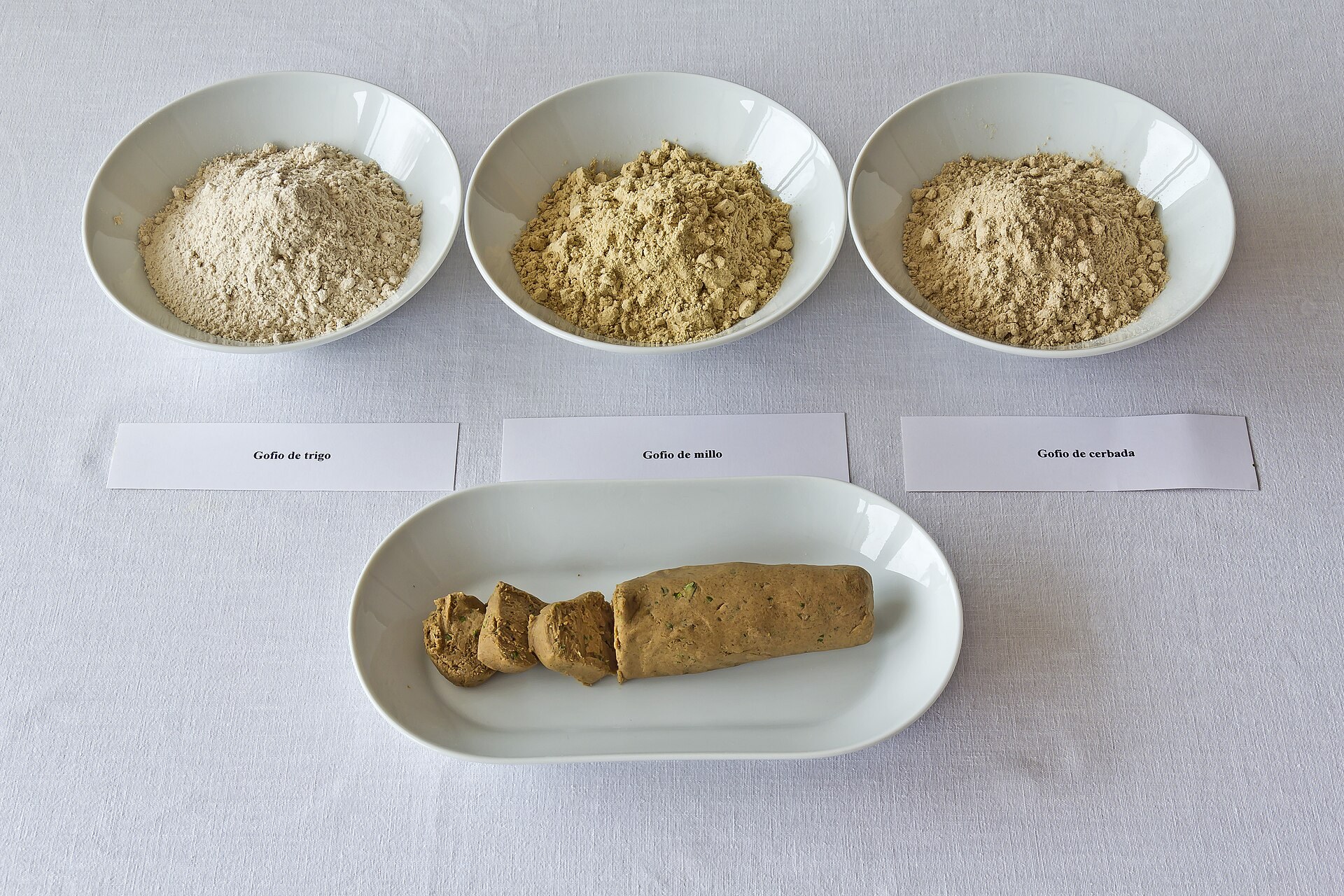
Toasted, ground grain: for centuries it was what fed Lanzarote. From camels on the threshing floors to tahonas and windmills, all the way to the one mill on the island that still grinds.
By Sol Juárez · 2026-11-18
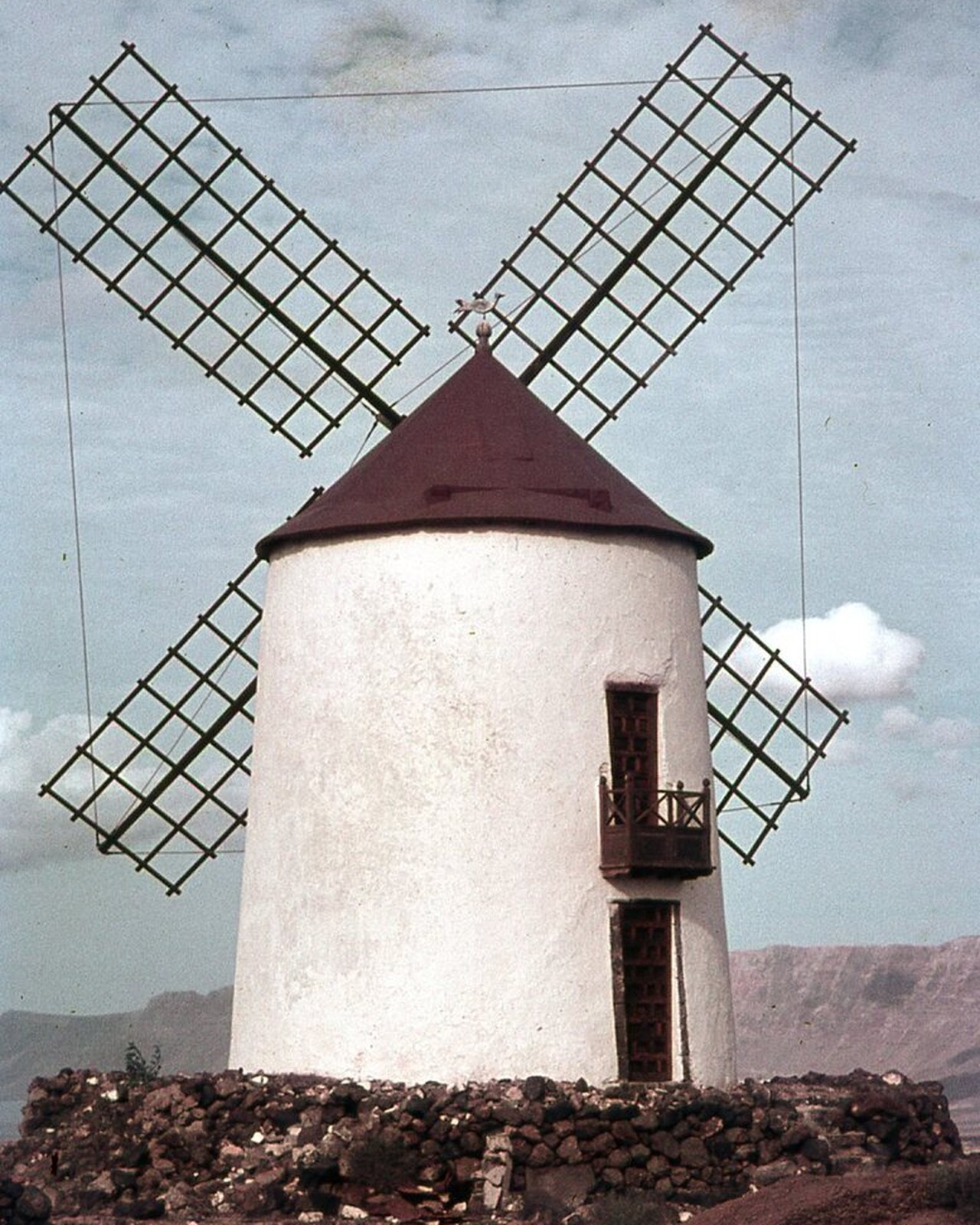
Before bread, Lanzarote had gofio: toasted, ground grain, the food of every day. The majos, the island’s first inhabitants, already ate it, and it appears in the chronicles of the conquest in the 15th century. They ground it by hand, rubbing the grain between two stones.
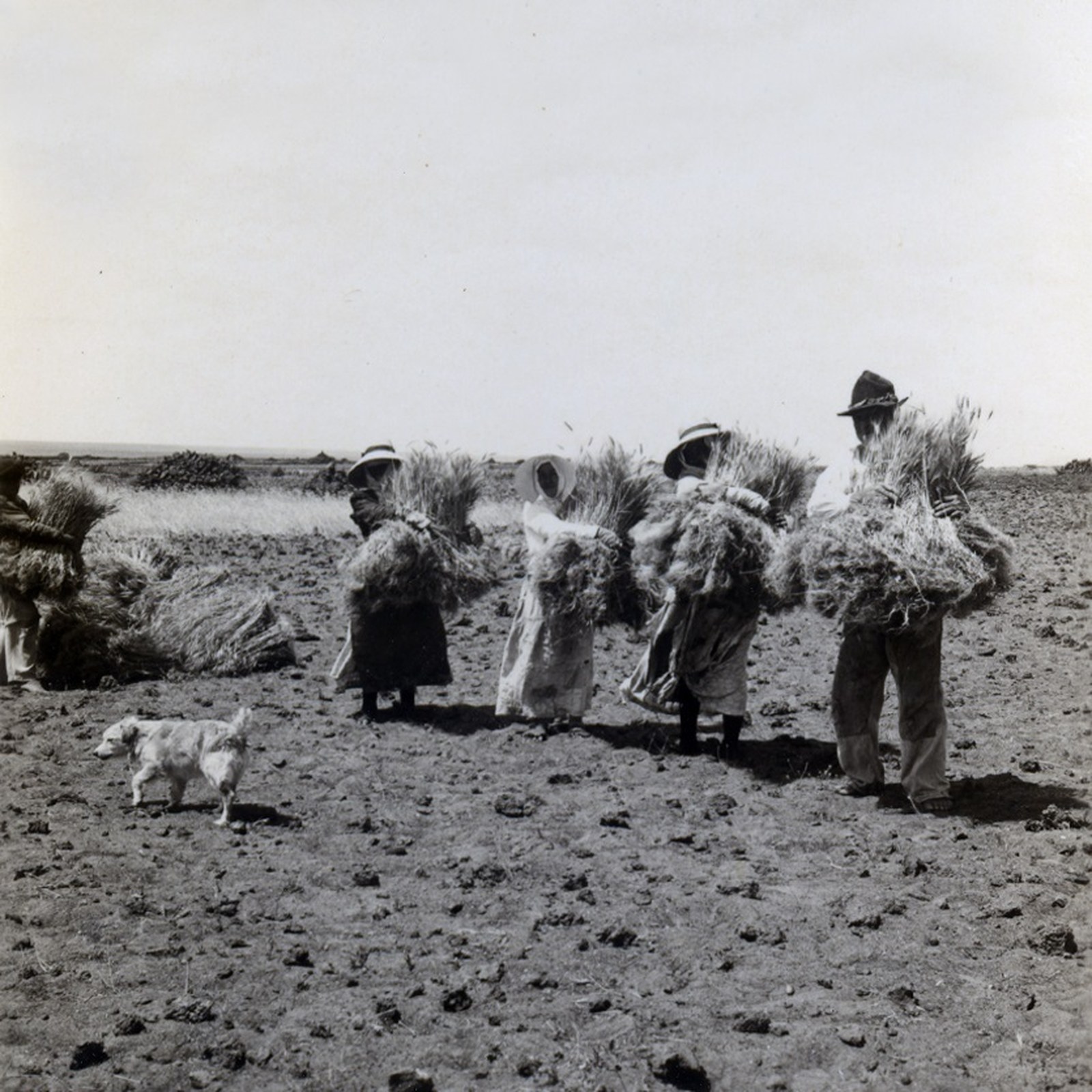
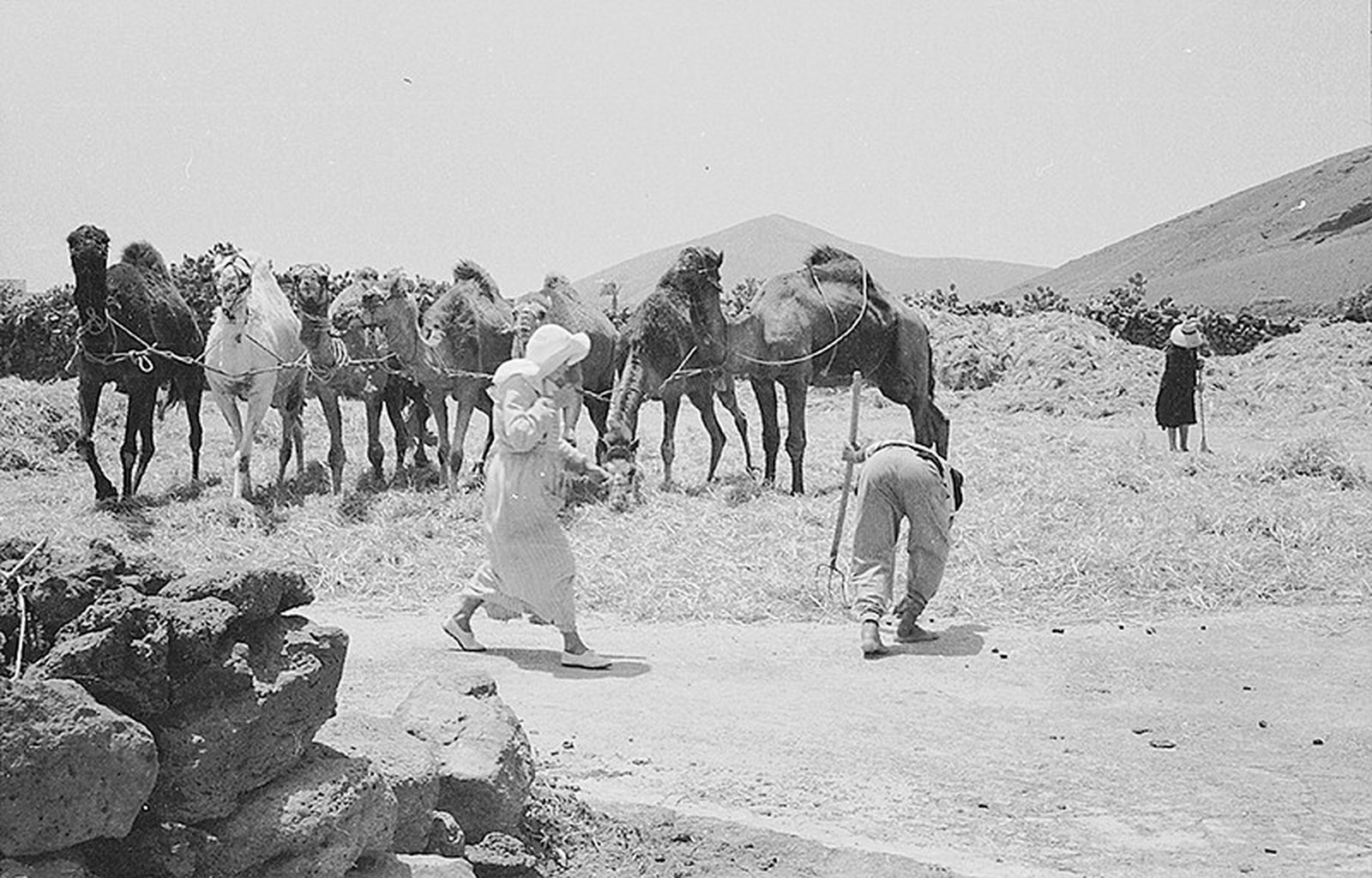
Every sack began in the fields. Wheat and barley were cut by hand, and on the threshing floors camels walked in circles over the ears to free the grain. At home it was toasted in a clay roaster, then taken to be ground.
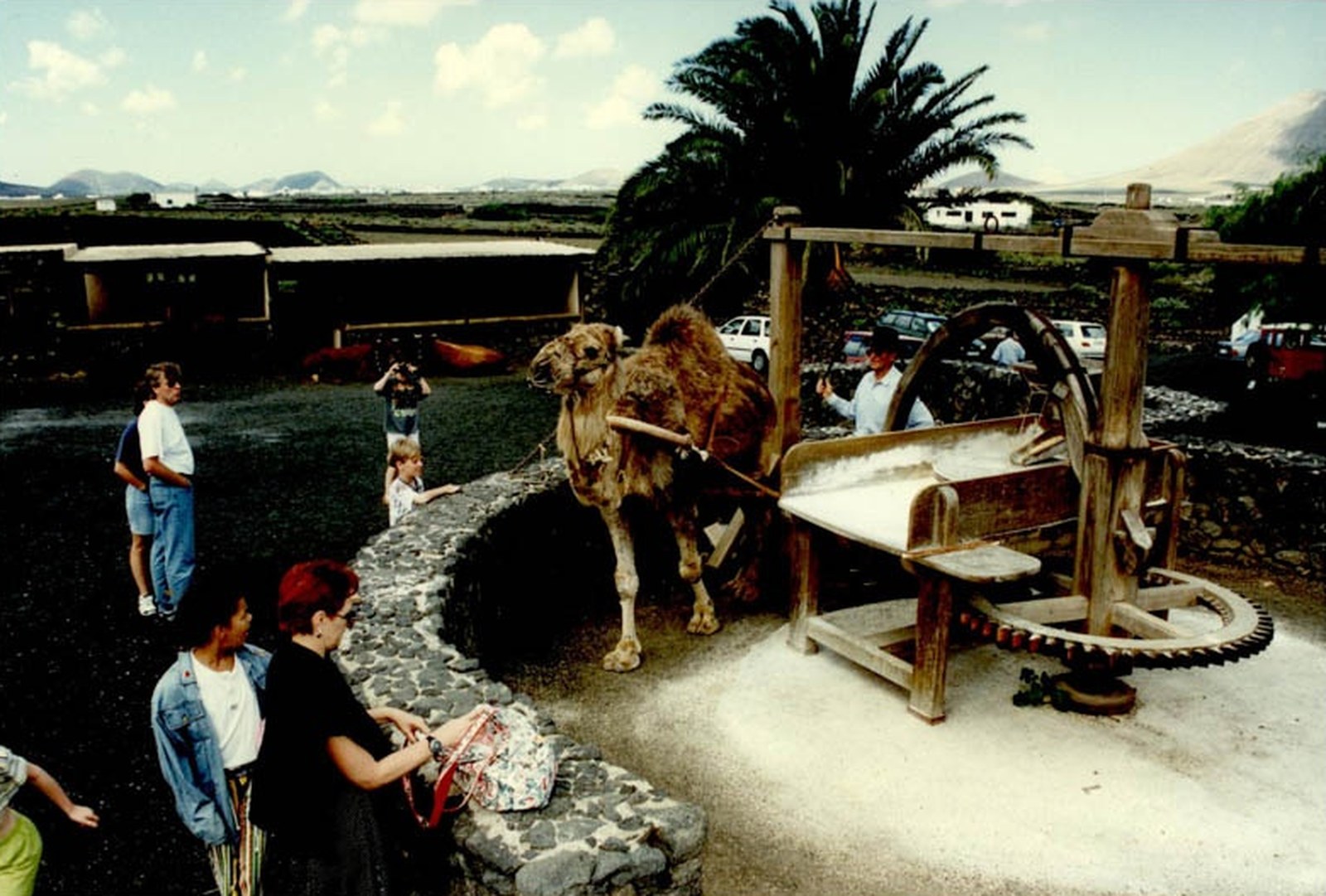
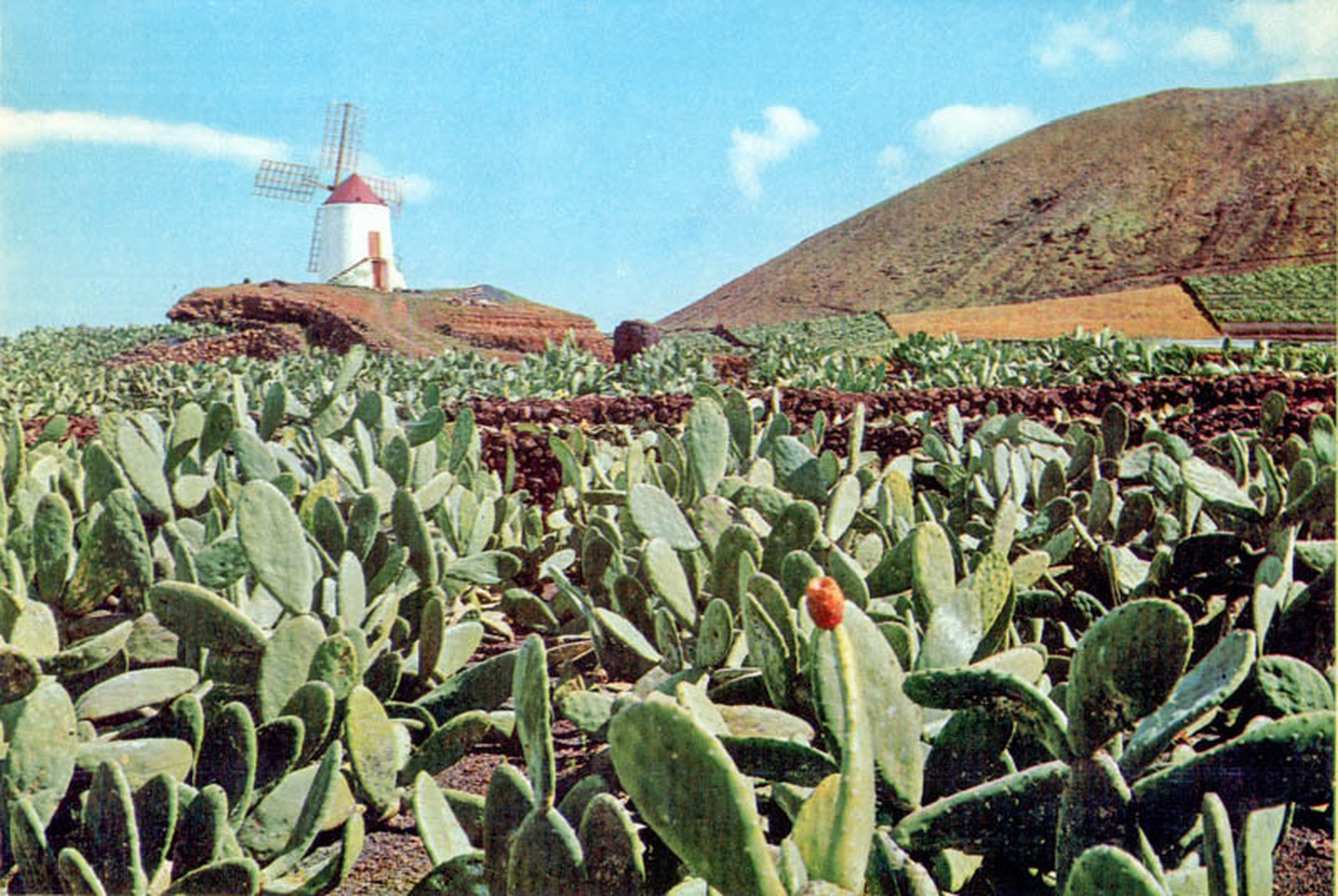
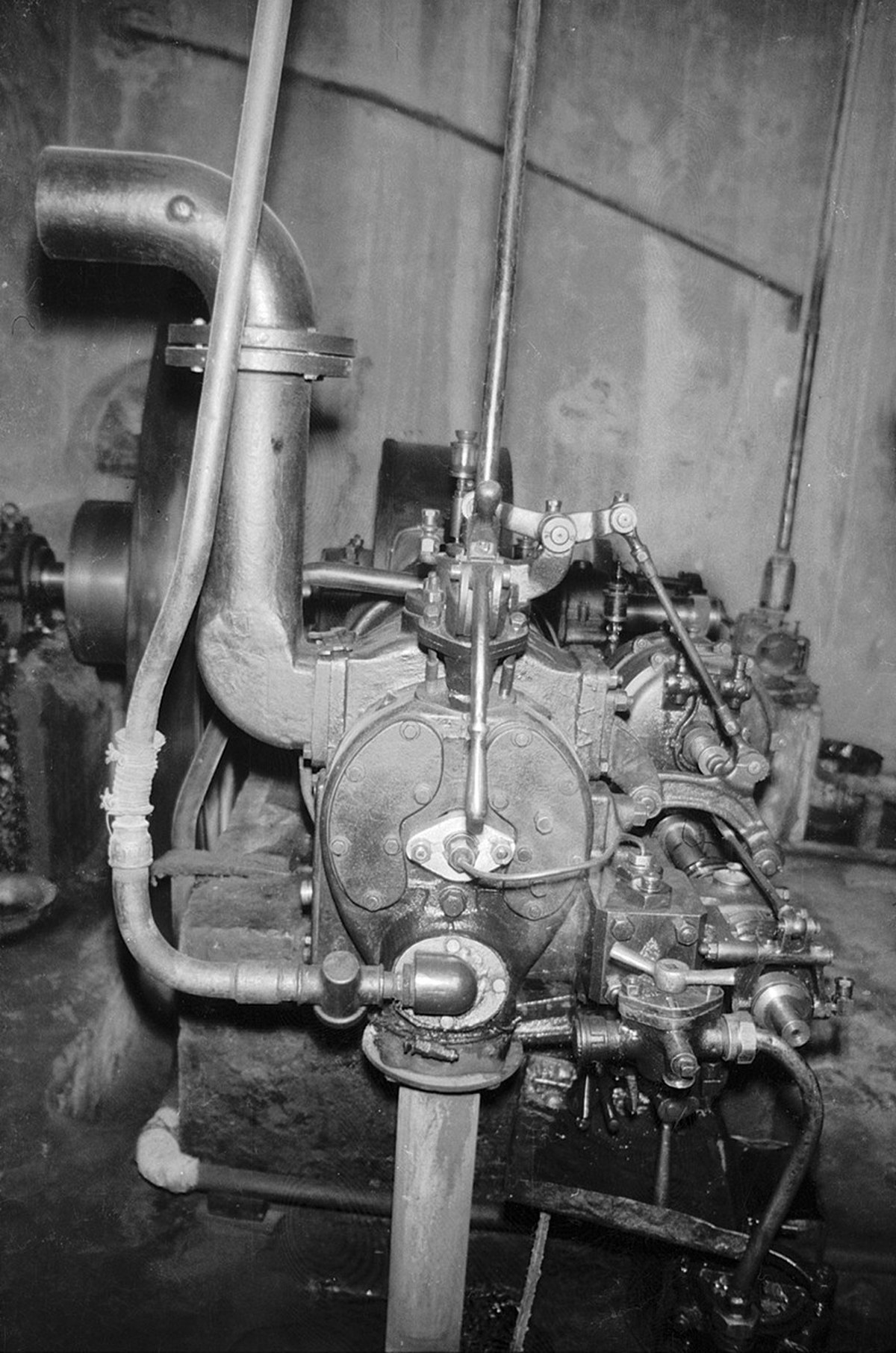
First to the tahonas, ‘blood mills’ where a donkey or a camel walked in circles to turn the stone: Máguez alone had eight. Then to the windmills, white and sailed, on the heights where the wind blows hardest, like those of Tiagua and Guatiza. Around 1912 the engine-driven mills arrived, and the wind slowly ran out of work: the last tahonas stopped around 1915, the last windmills around 1940.
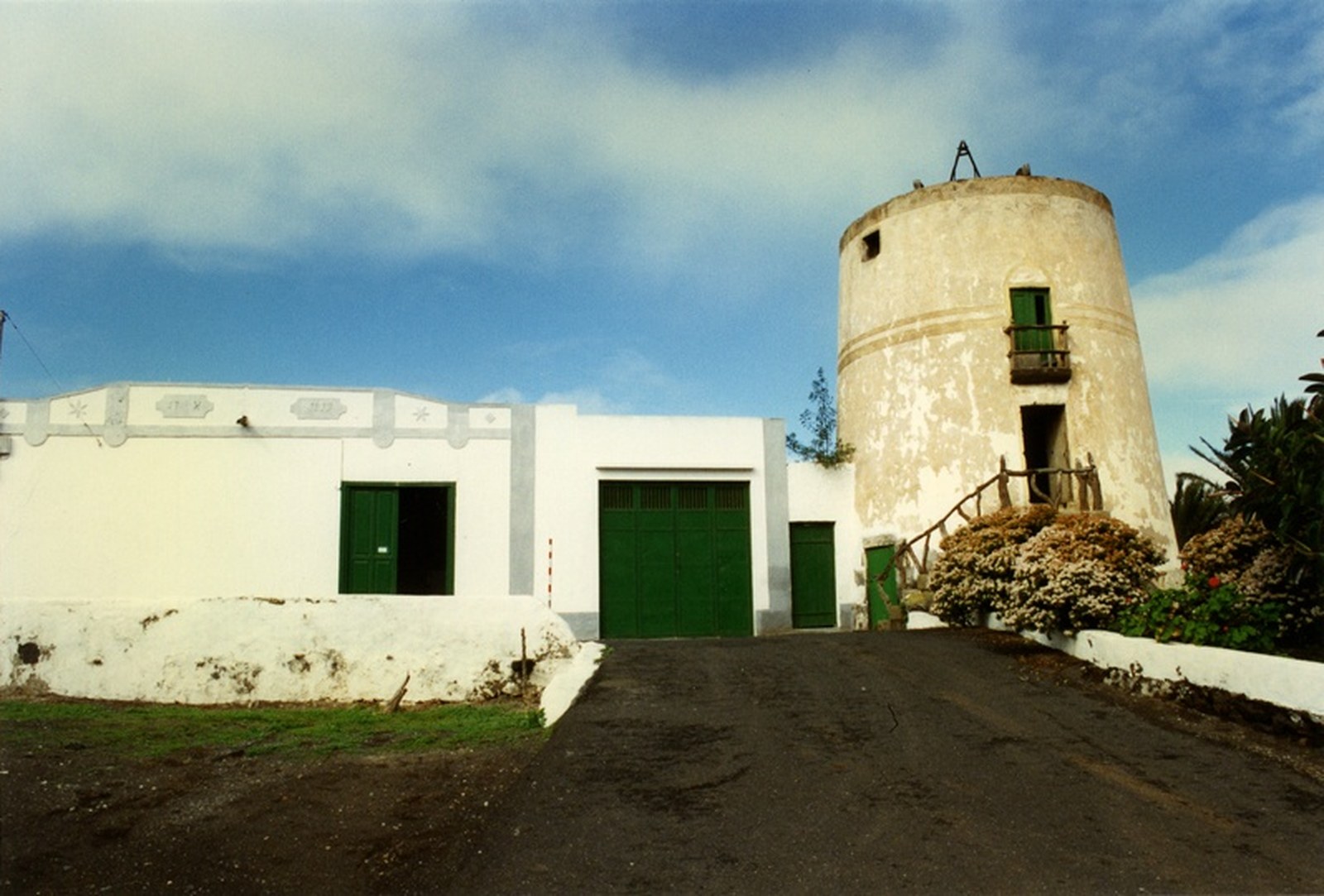
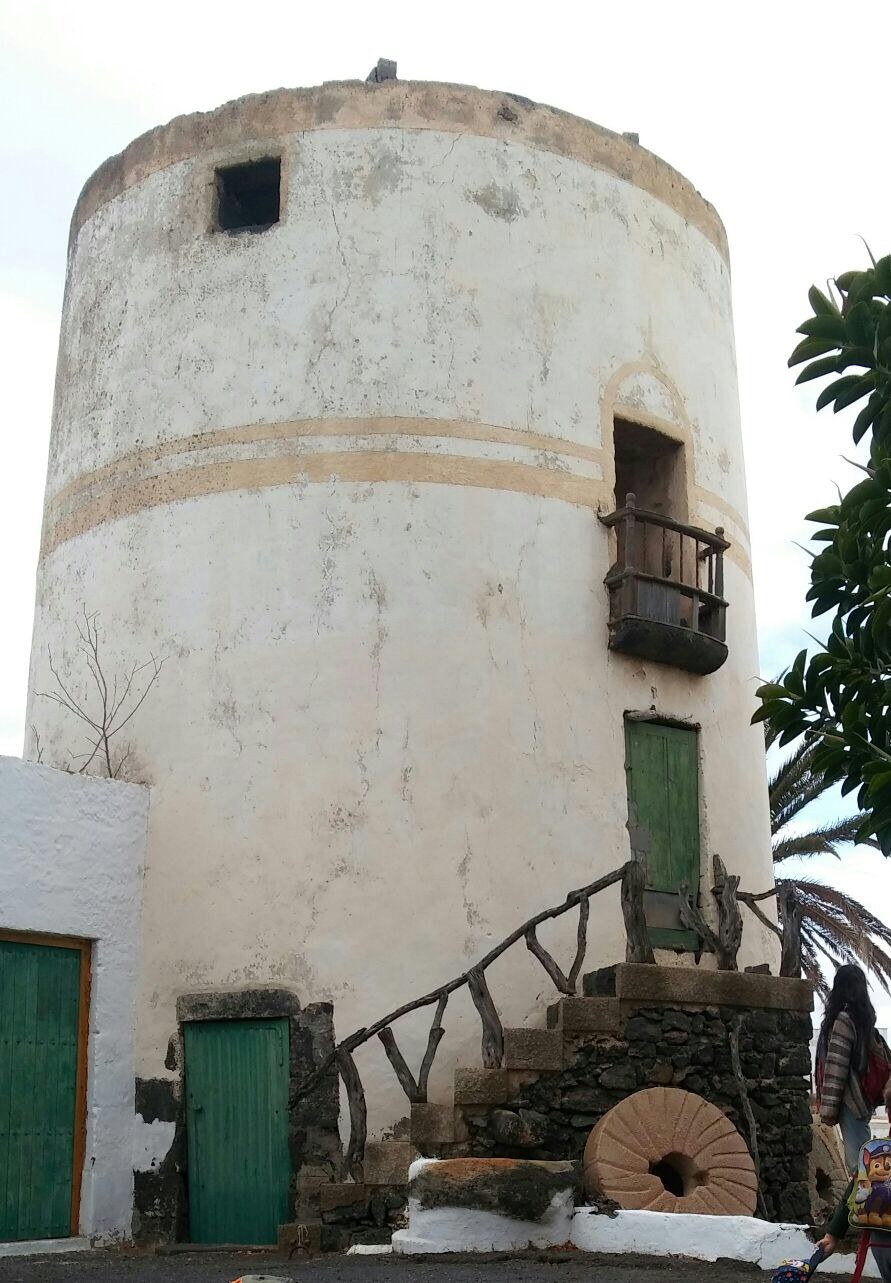
Today only one is left. In San Bartolomé, Baltasar Martín Rodríguez built a windmill in 1870; around 1920 José María Gil, who had come from Gáldar, swapped the wind for an engine, and his son Esteban kept milling into his eighties. Then everything stopped. On 19 July 2018 the stone turned again, thanks to Silvia Gil, of the family, and Lourdes Rodríguez. They grind maize, wheat, barley and chickpeas, almost all from island farmers, and the street smells of gofio once more.