People · Castillo de Santa Bárbara, Teguise
Santa Bárbara Castle, the lookout of Teguise
It began as a tower to watch the sea, held out against corsairs, raised the alarm with cannon fire, became a pigeon loft and is now a museum: five centuries on top of the Guanapay volcano.
By Pablo Vidal · 2026-11-24
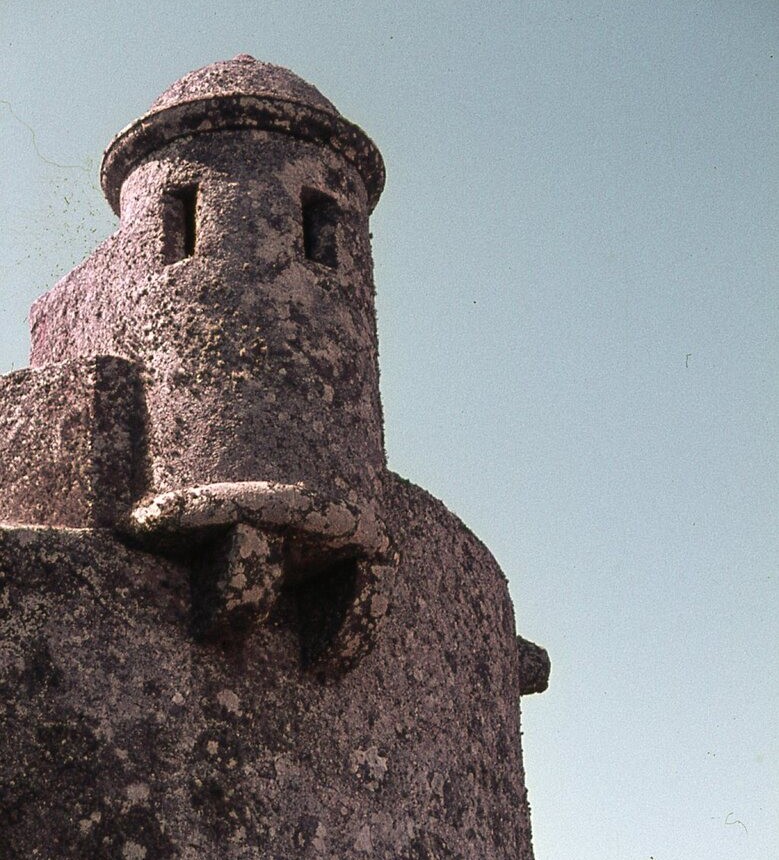
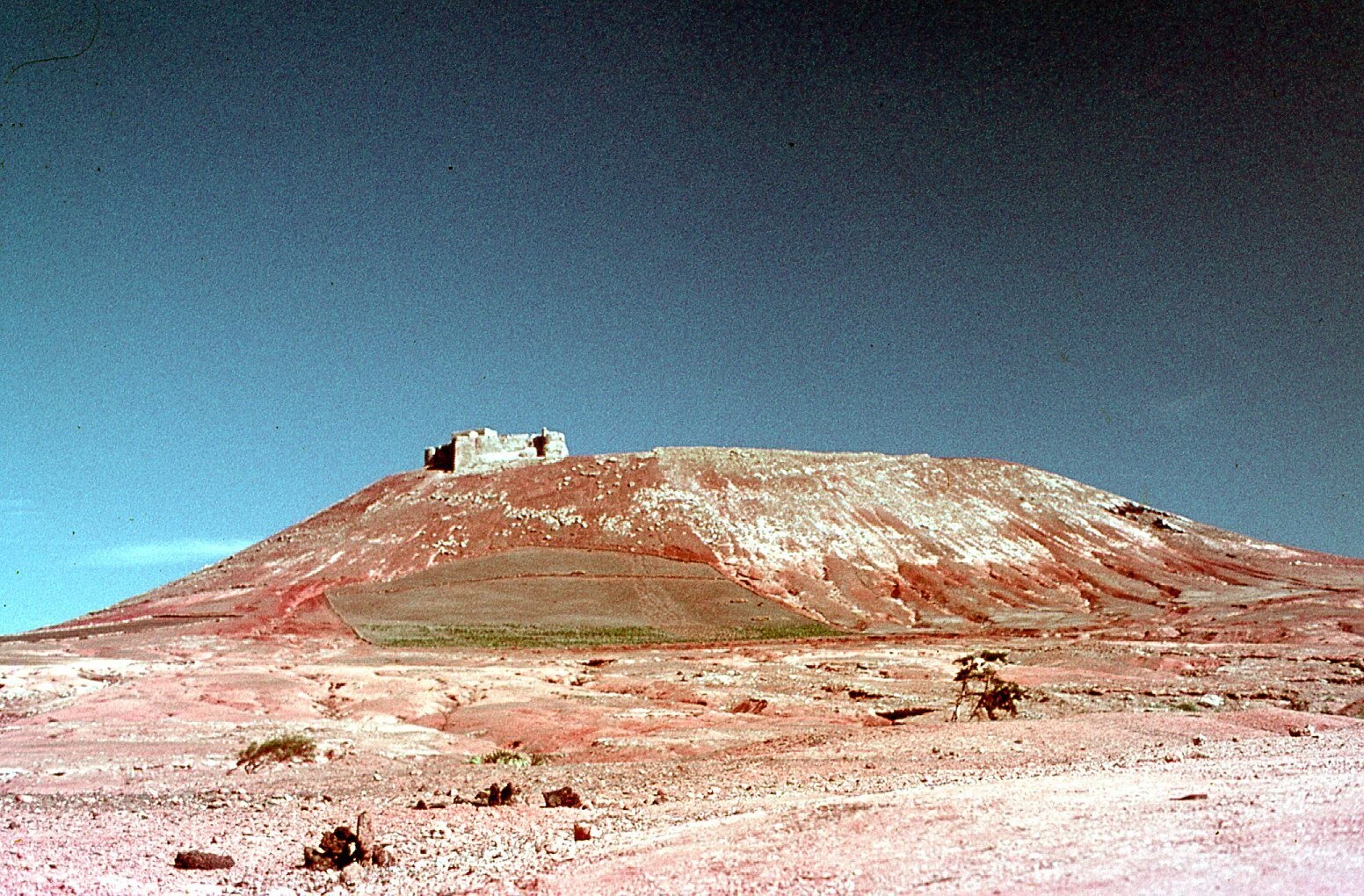
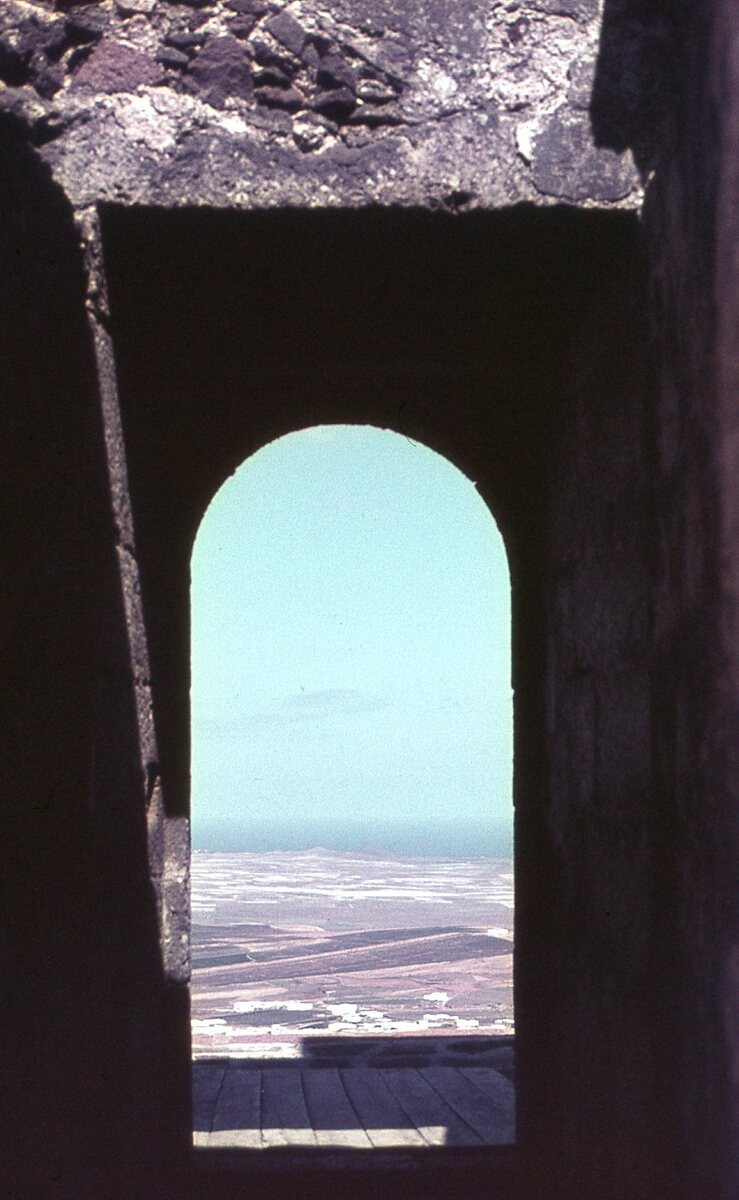
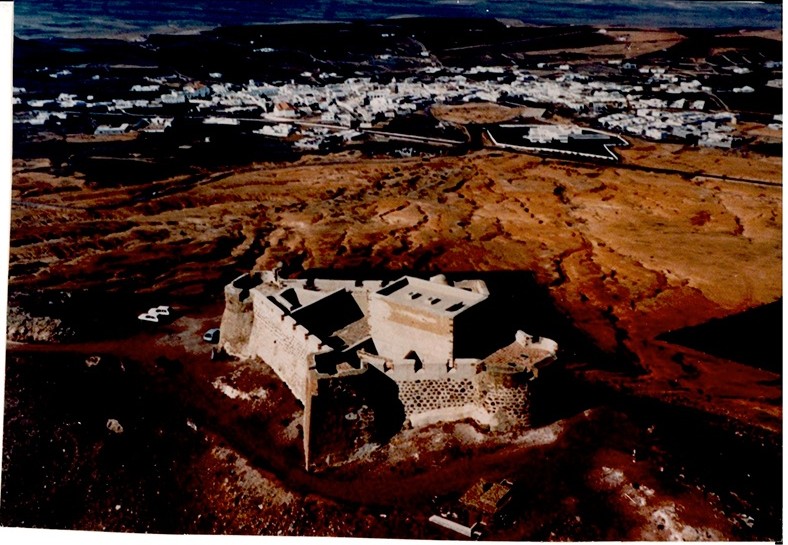
Above Teguise, the island’s old capital, rises the Guanapay volcano, and on its summit stands a castle. In the first half of the 16th century Sancho de Herrera had a tower built there to keep watch over the coast, and the volcano gave it its first name: Guanapay Castle. From the top you can see the northern sea and almost all of the southern and eastern one.
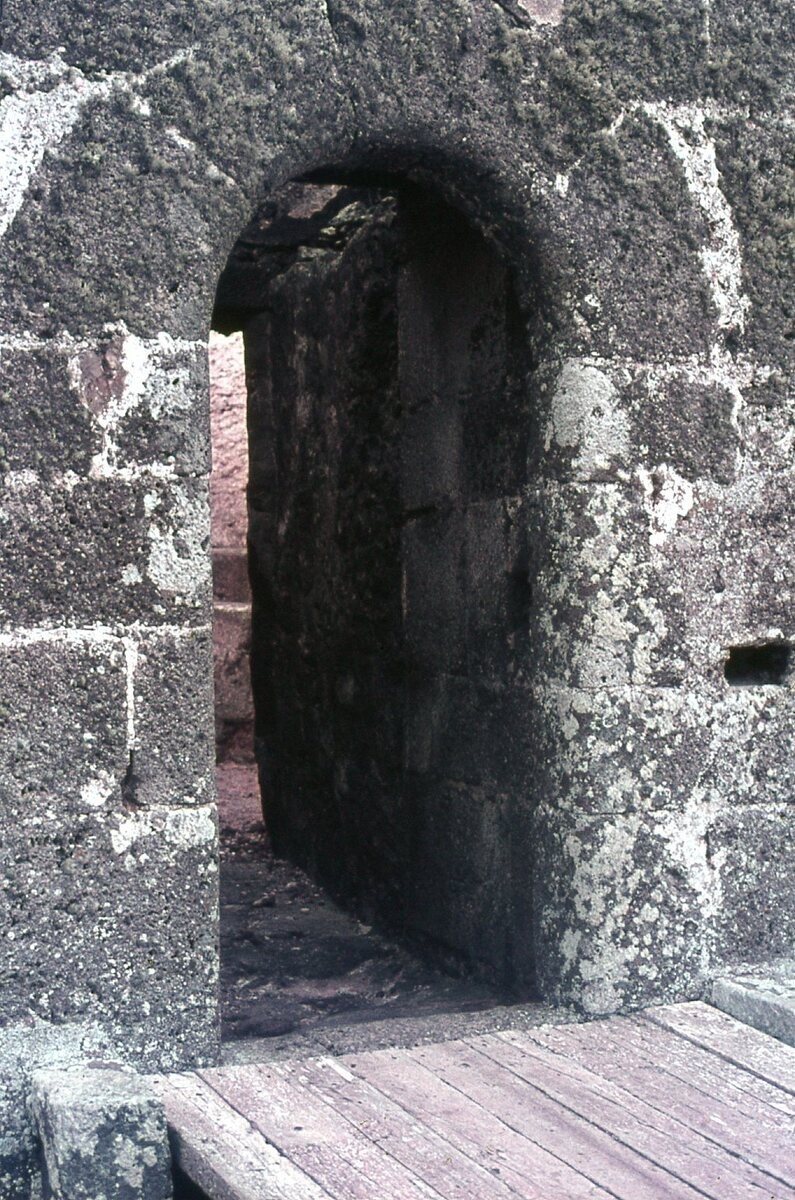
These were the years of the corsairs, and the tower kept growing: Agustín de Herrera y Rojas turned it into a fortress with stout walls around a central courtyard. In 1586 more than a thousand islanders took refuge inside, and a document from 1612 tells how two women, Ana Cabrera and Francisca Pérez, sealed the burning gate by bringing down the sentry boxes. Then Philip II sent the Italian engineer Leonardo Torriani, and by 1596 the castle had the shape it has today and a new name: Santa Bárbara.
Over the centuries it changed jobs. It raised the alarm with three cannon shots when suspicious ships appeared; in 1803 the villagers used four of its cannons to celebrate the procession of the Virgen de las Nieves; and in 1899 it became a military pigeon loft for carrier pigeons, until 1913.
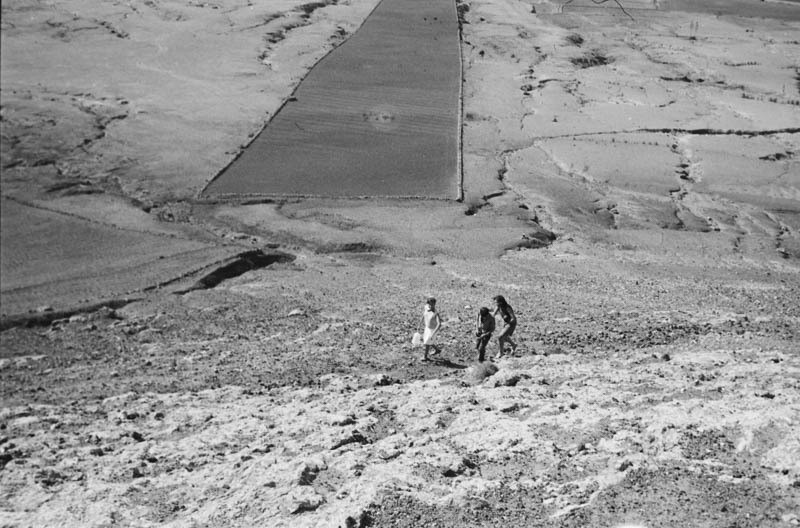
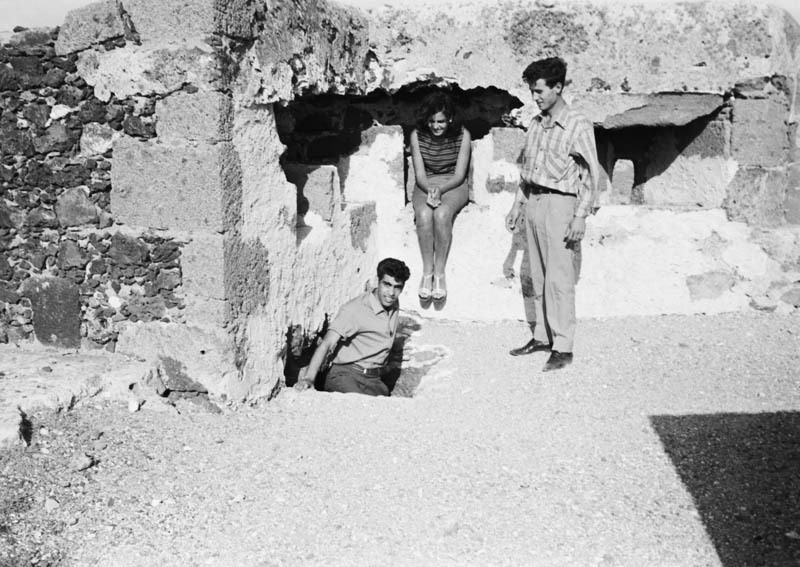
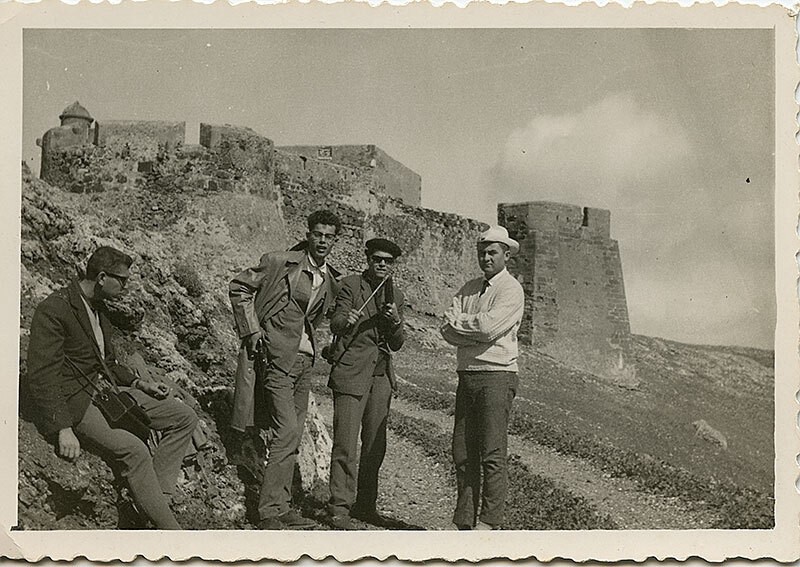
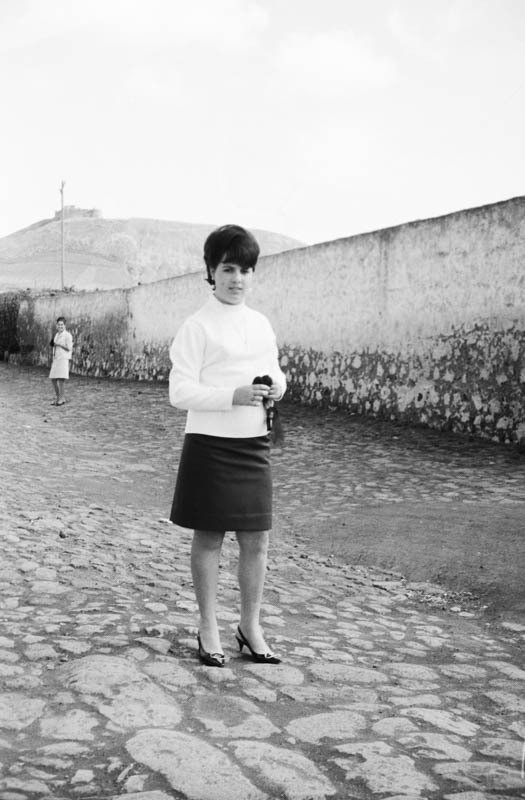
In 1958 the Friends of the Castles repaired it and opened the road to the top, and in the 1960s the young people of Teguise walked up to explore its walls. In 1976 the town council bought it for 200,000 pesetas, and in 1991 it opened as the Canary Emigrant Museum. Since 2011 it has told the story of the pirates who once laid siege to it.