People · Camino de los Gracioseros, Ye (Haría)
The Camino de los Gracioseros, La Graciosa’s stairway
To get from La Graciosa to Lanzarote you crossed the sea by boat and climbed the Famara cliffs on foot. The women of La Graciosa did it with baskets of fish and salt on their heads.
By Javier González · 2026-11-25
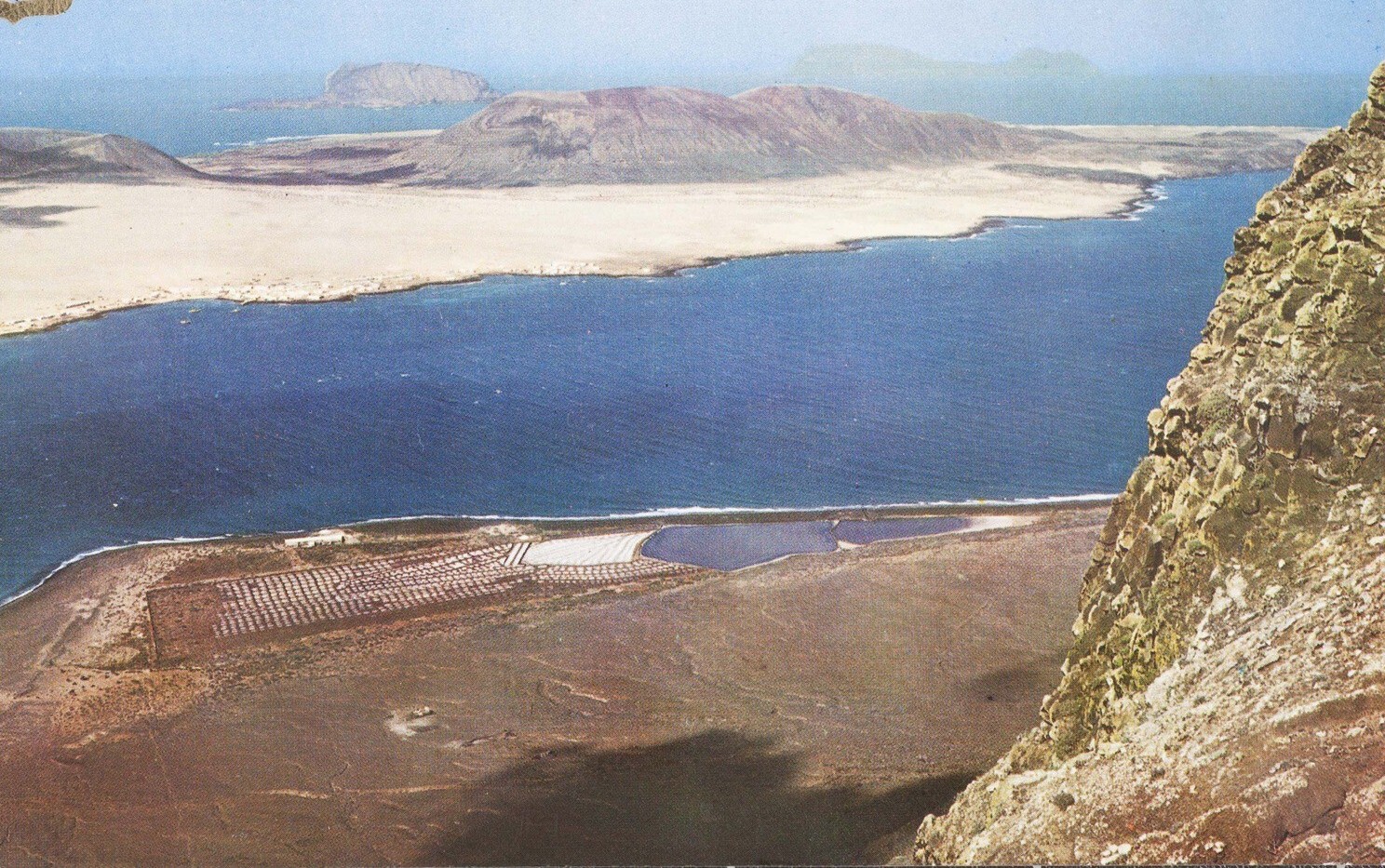
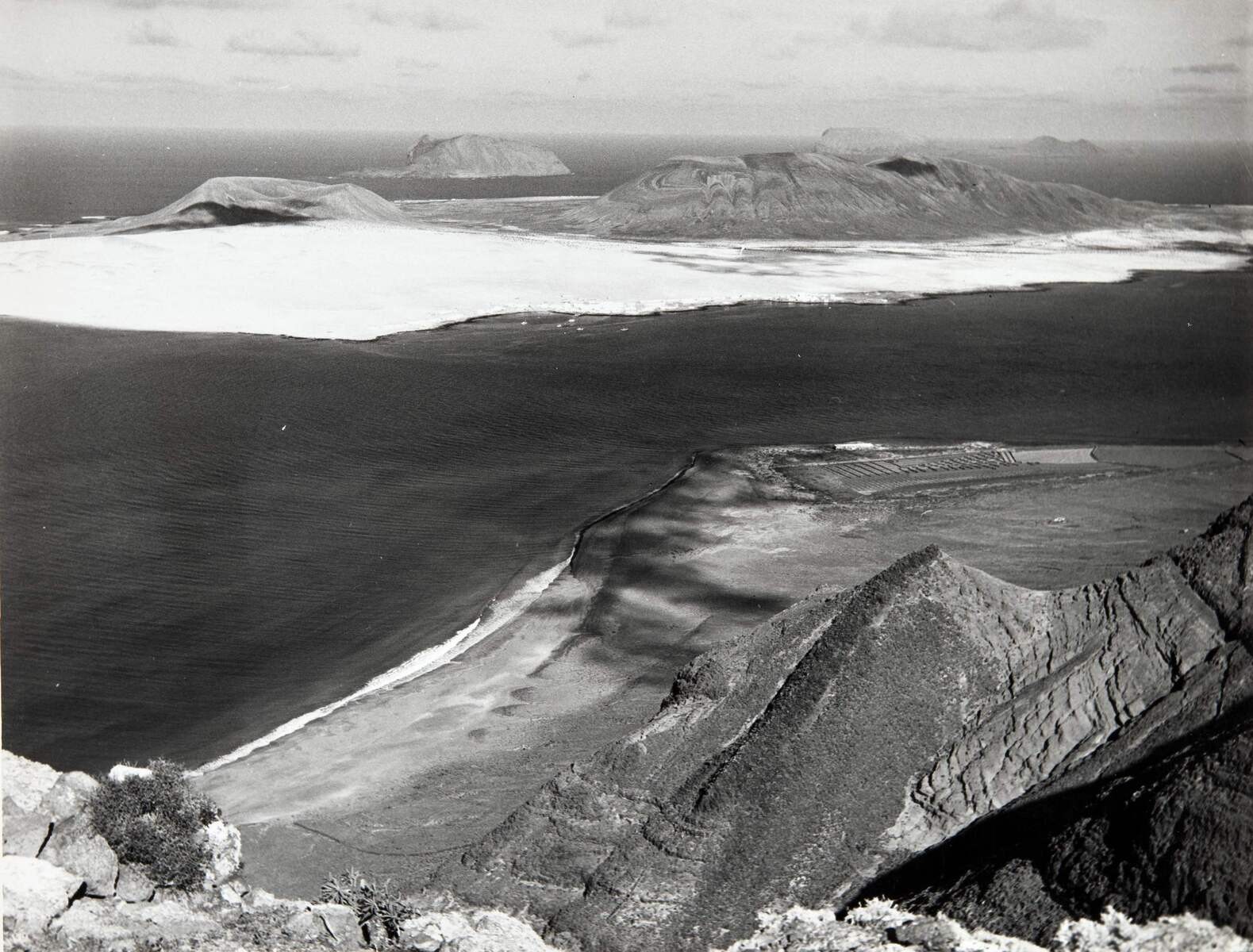
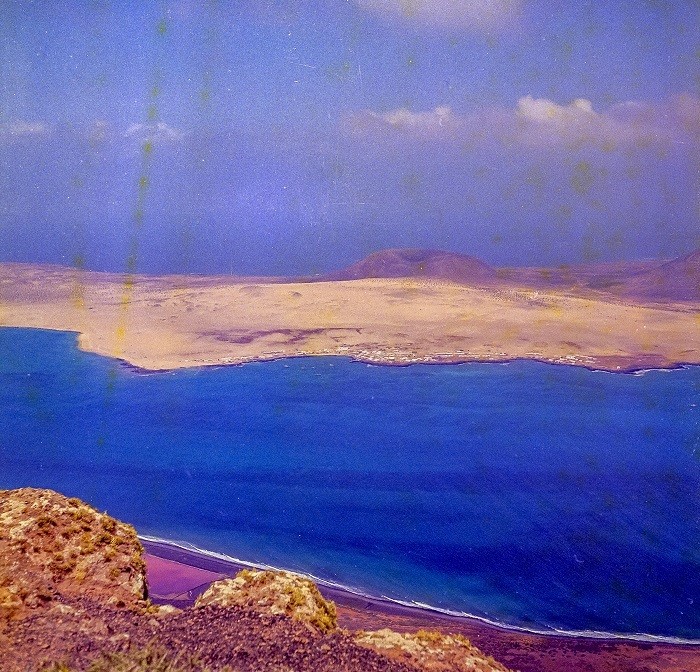
For centuries, for the people of La Graciosa, Lanzarote began at a wall. They crossed the El Río strait by boat to Playa del Risco and from there climbed the Famara cliffs on foot, along a cobbled zigzag path, up to Ye and the villages of Haría. They called it, and still do, the Camino de los Gracioseros.
The route is no accident: it follows the only lava flow from the La Corona volcano that spilled down this side of the cliff and made it passable. Below lay the Salinas del Río, the oldest salt pans in the Canary Islands, mentioned in the first chronicles of the conquest and worked until the 1970s.
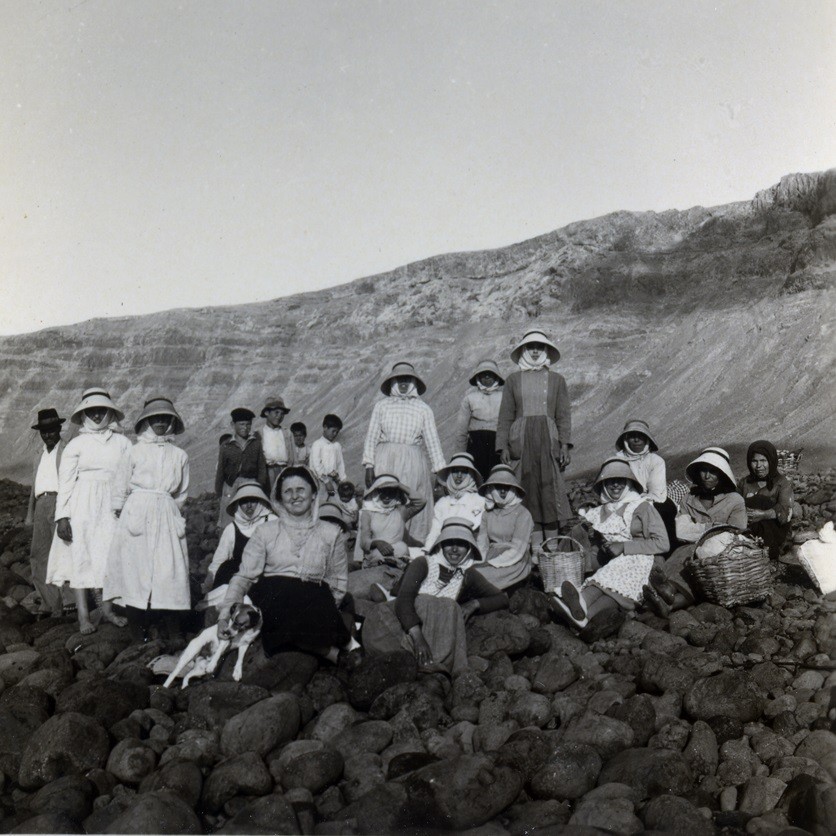
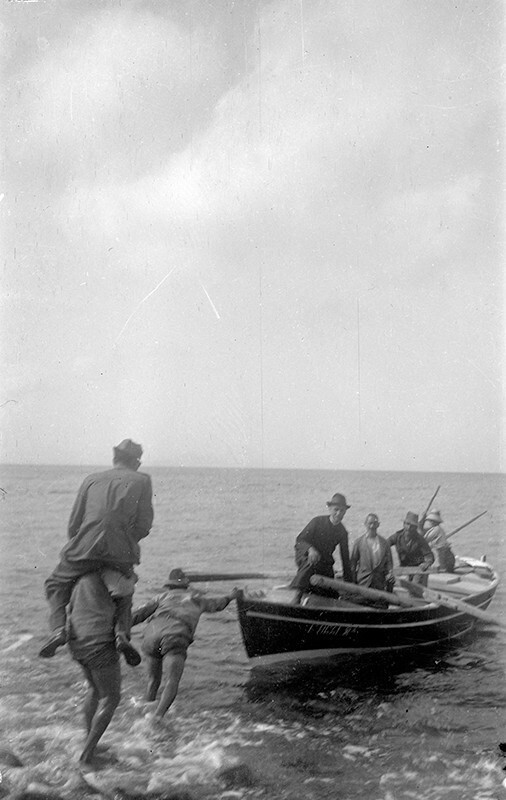
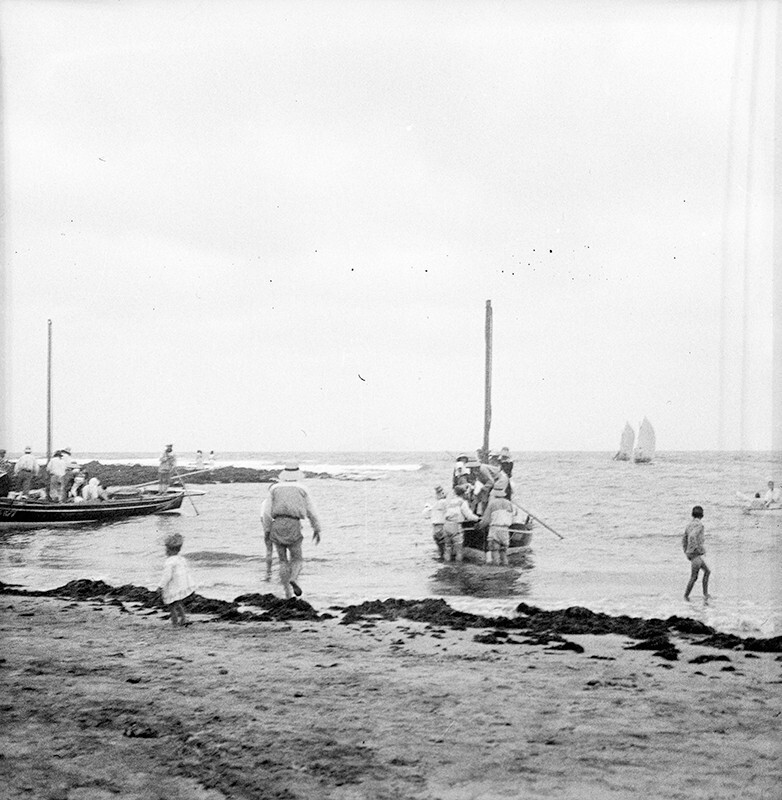
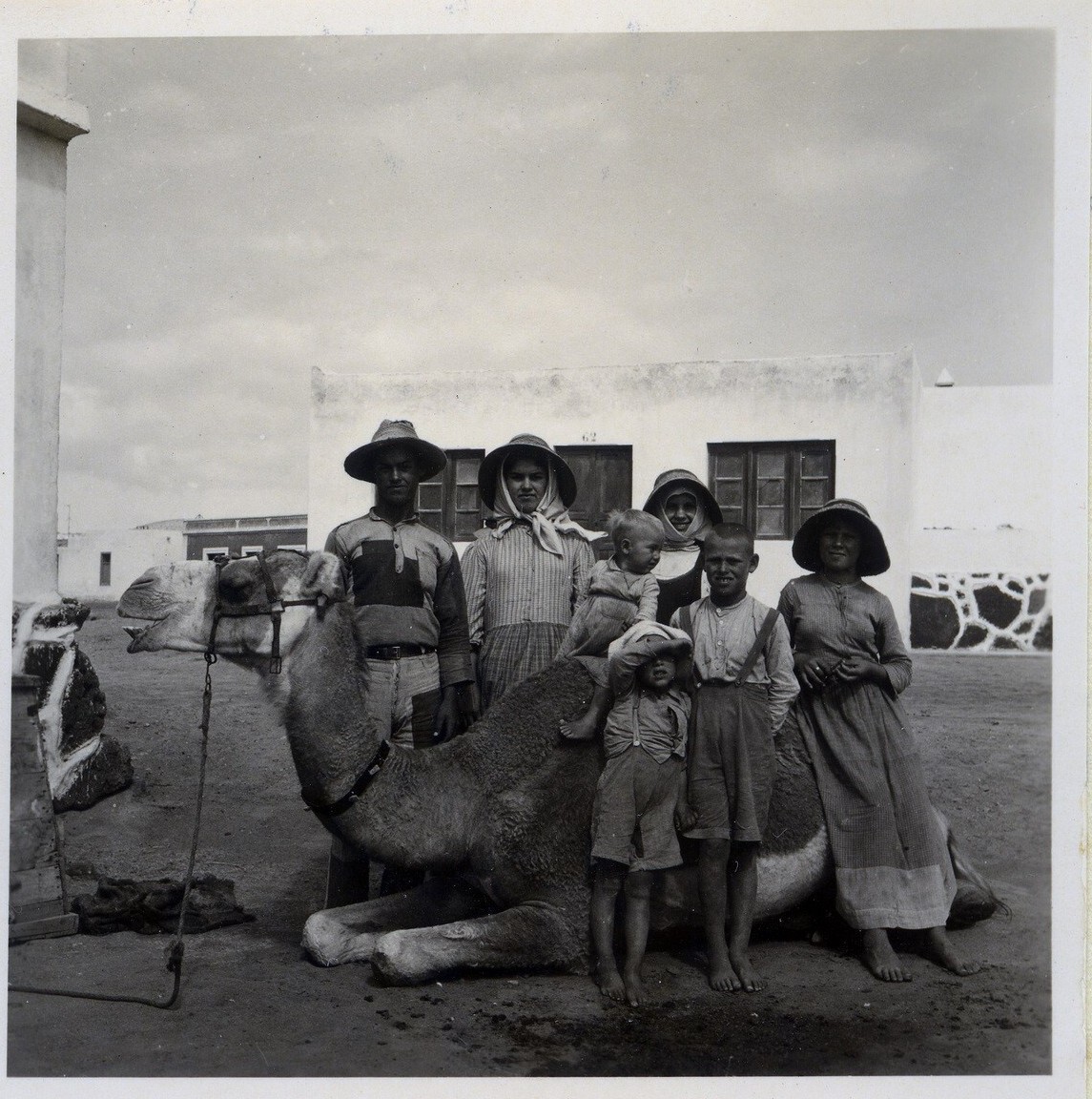
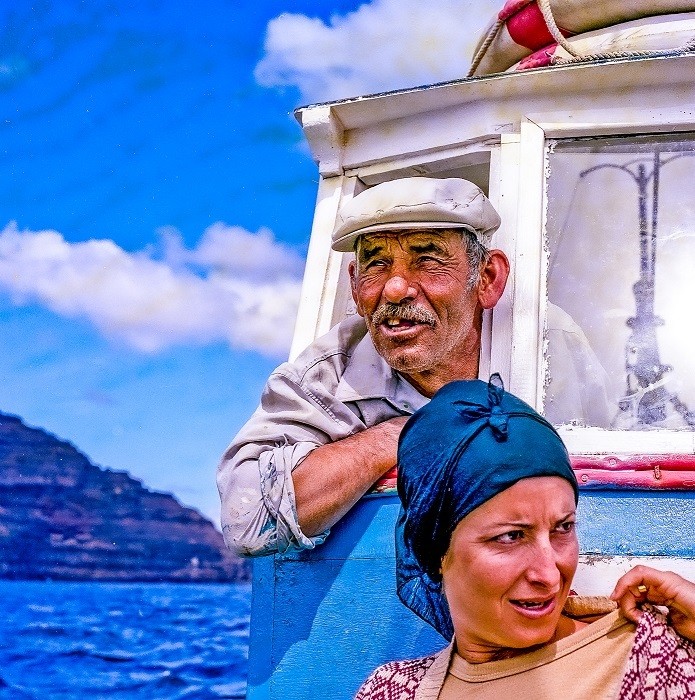
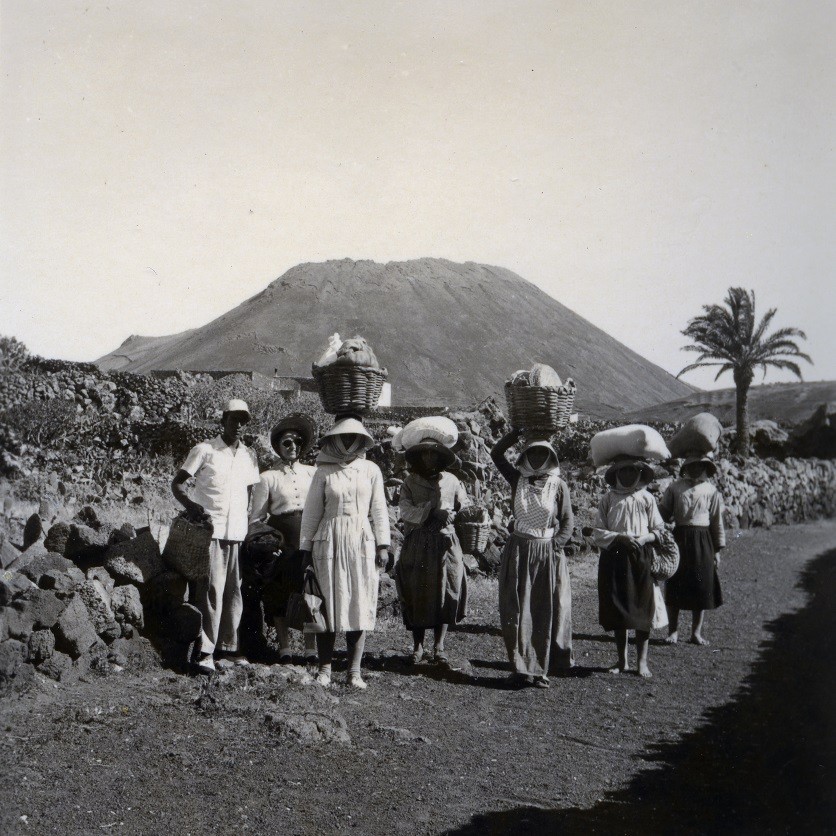
The trade of two islands travelled along this path. The women of La Graciosa climbed with baskets of fish and salt and came back with farm produce from Máguez and Haría, their straw hats on against the sun. Jan Blaauboer photographed them around 1953: five women with loads on their heads before the descent, and a group of women and children waiting for the boat on the beach. On the same shore, the sailors carried anyone who didn’t want to get wet out to the boat on their shoulders.
Today La Graciosa is reached by ferry from Órzola, and the path is a trail for walkers. But in 2008 you could still meet a woman of about seventy on it, climbing in flip-flops and a traditional hat with a backpack full of octopus: she hadn’t gone down for nothing, she said.