People · Playa Blanca (Yaiza)
When Playa Blanca was fifty houses
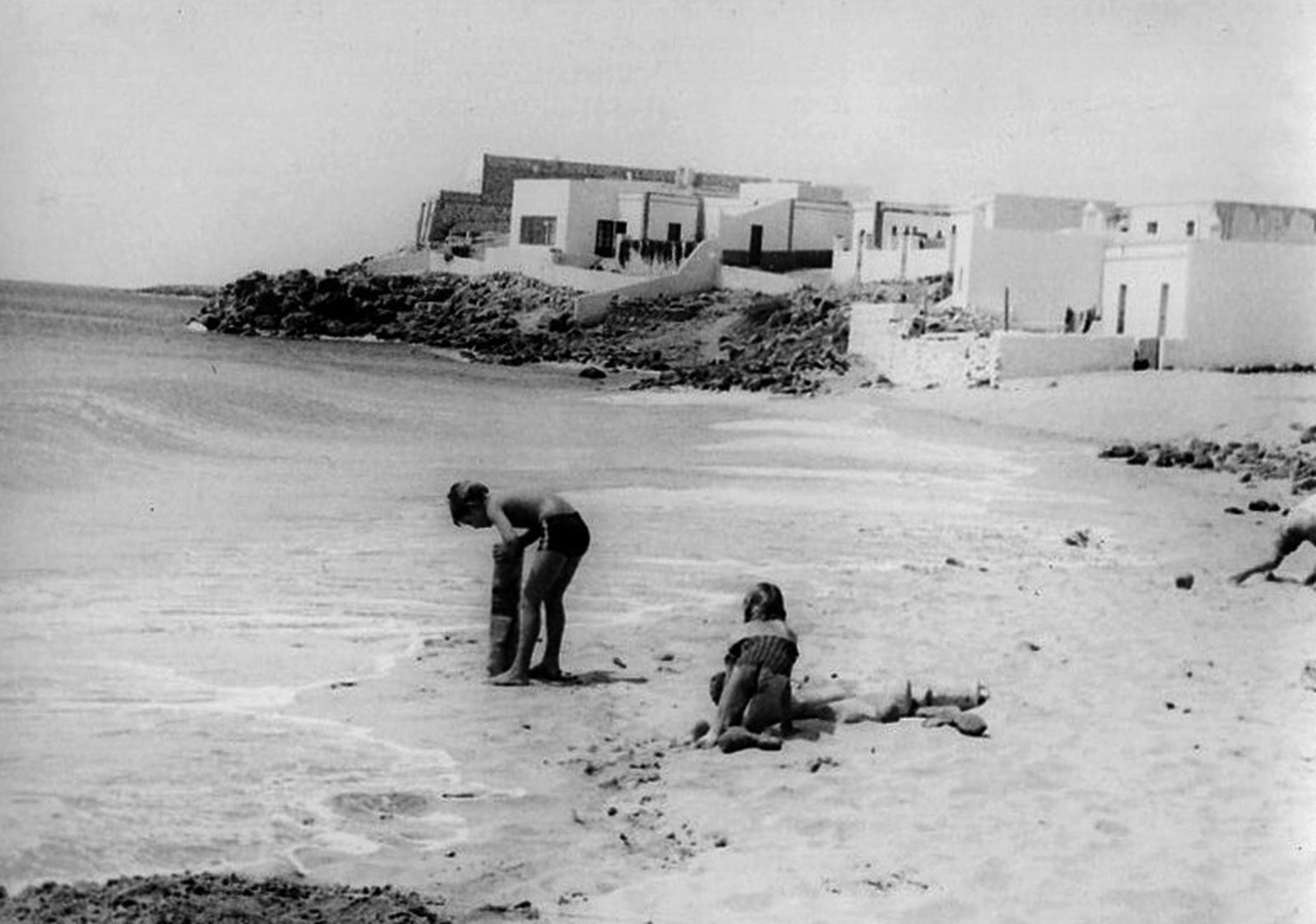
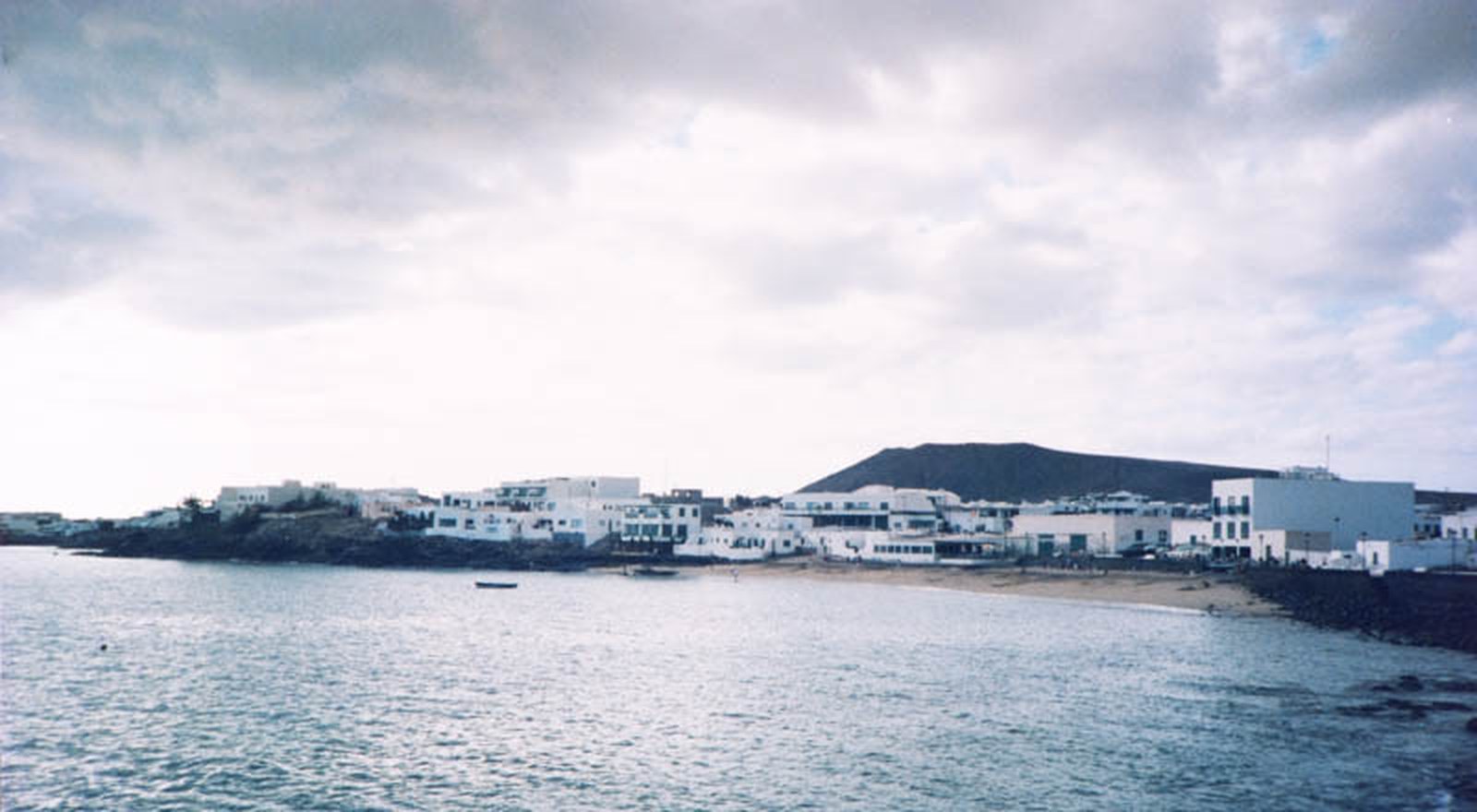
A little beach, a few white houses and fishing boats pulled up on the sand: that was the village half a century ago. Old photos tell how today’s Playa Blanca was born.
By Javier González · 2026-11-17
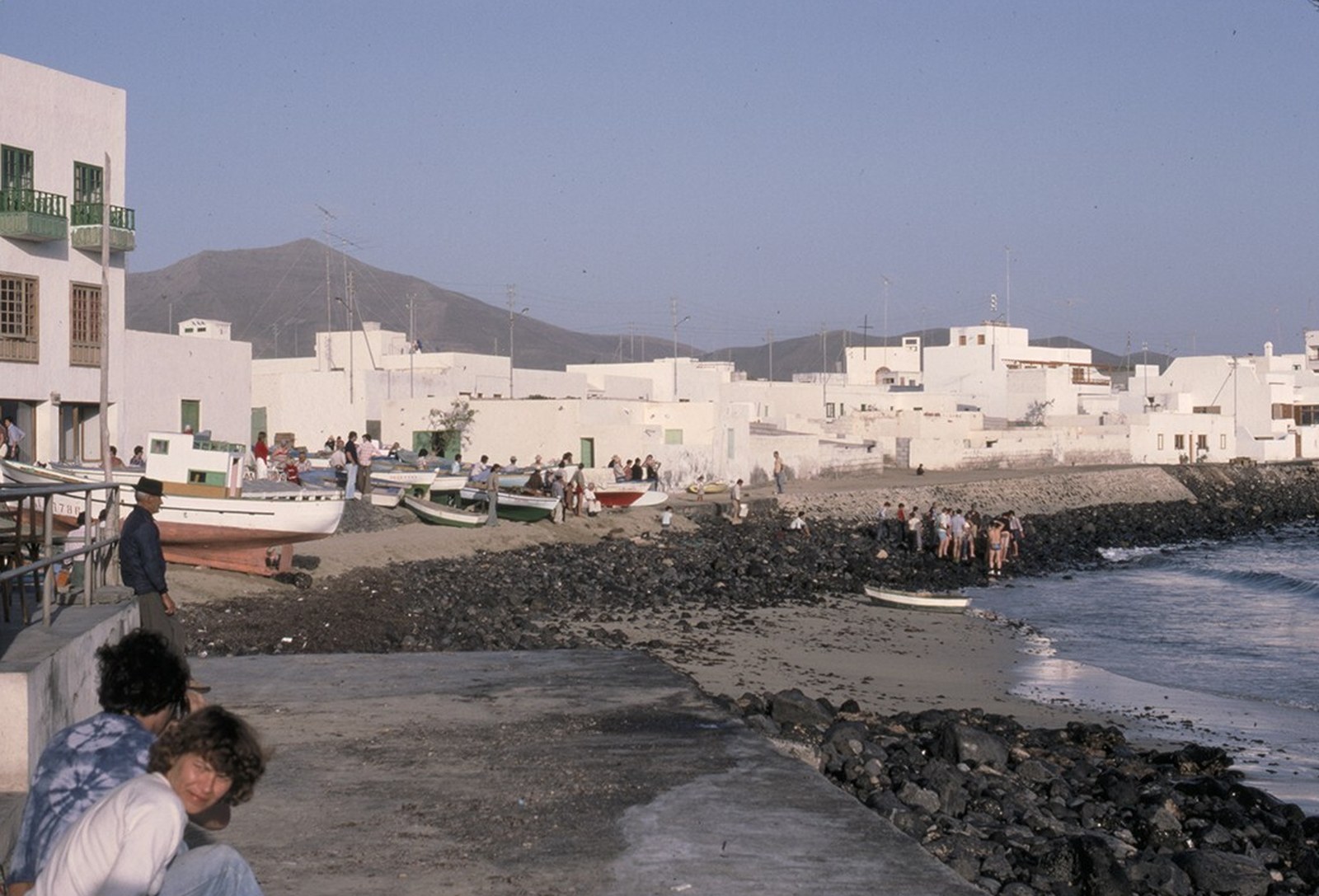
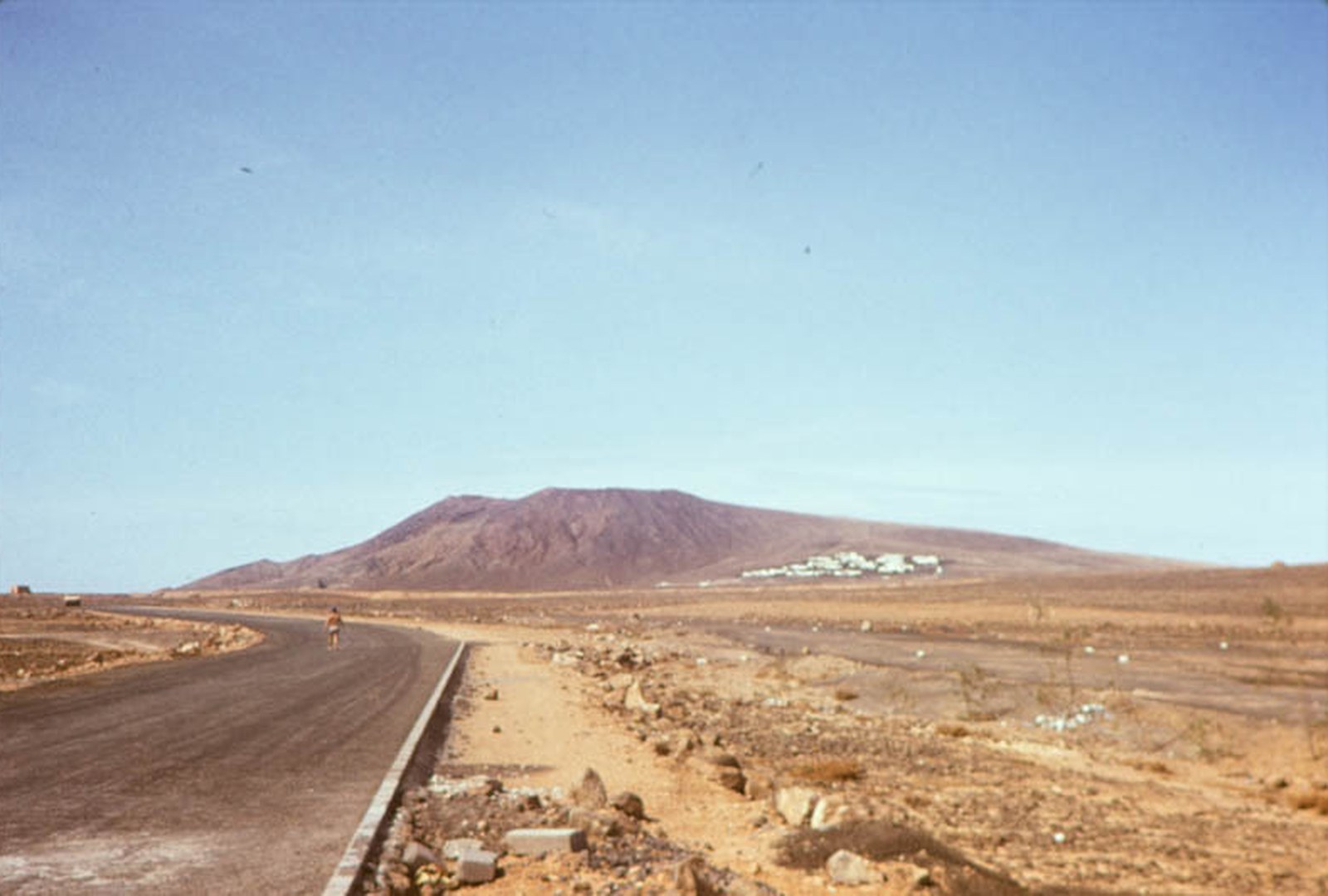
Until the mid-1970s, Playa Blanca had fewer than fifty houses. Low and white, they huddled around the little beach that gave the village its name, at the end of the road down from Yaiza. Across the Bocayna strait lay Fuerteventura and the island of Lobos.
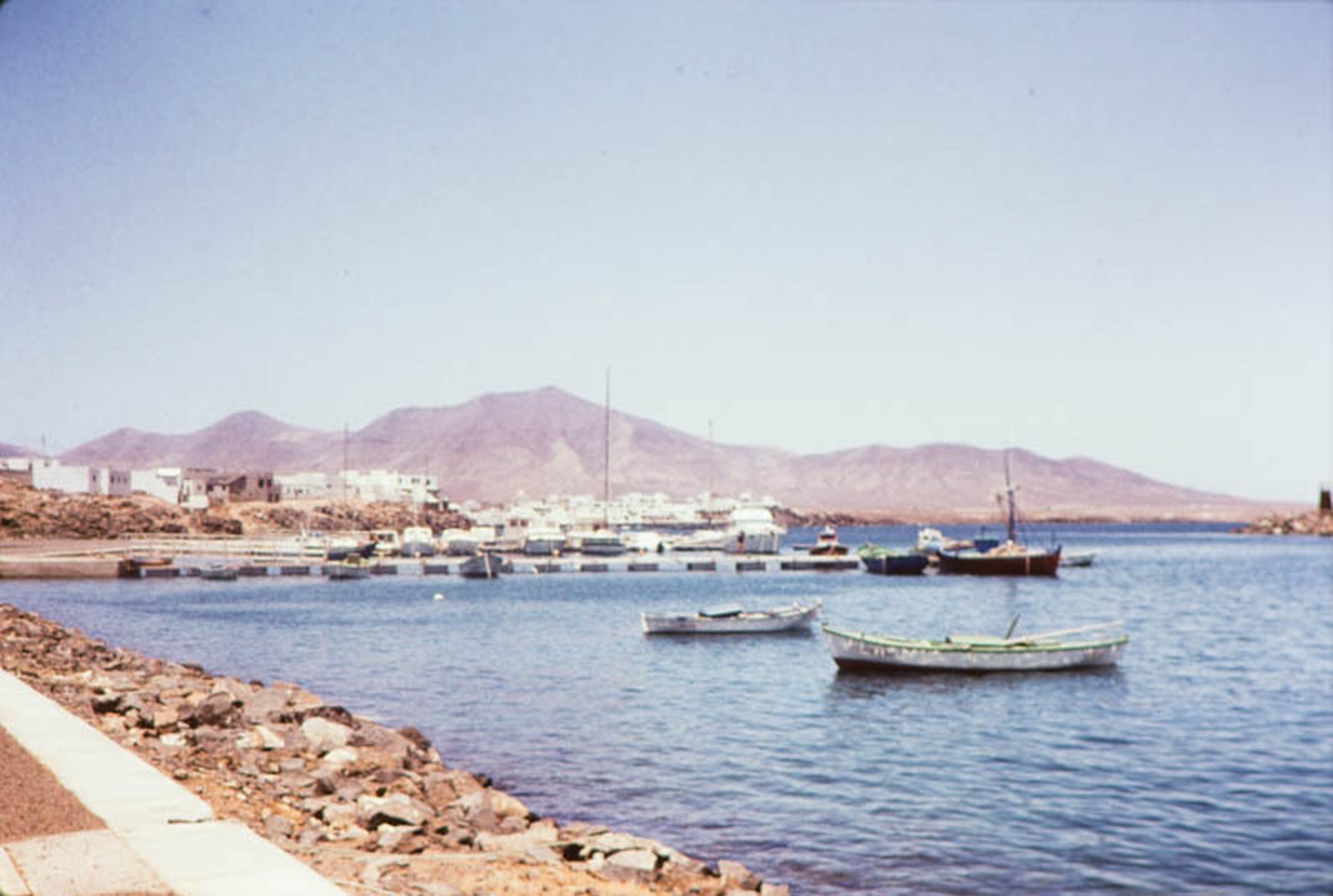
Life came from the sea. The small boats were hauled up on the sand in front of the houses, and on shore people tied hooks, made nets and prepared the fish. In the 1960s the writer Agustín de la Hoz described the men of Playa Blanca as sailors to a man, weathered by wind and drizzle, keepers of the most intimate secrets of their sea.
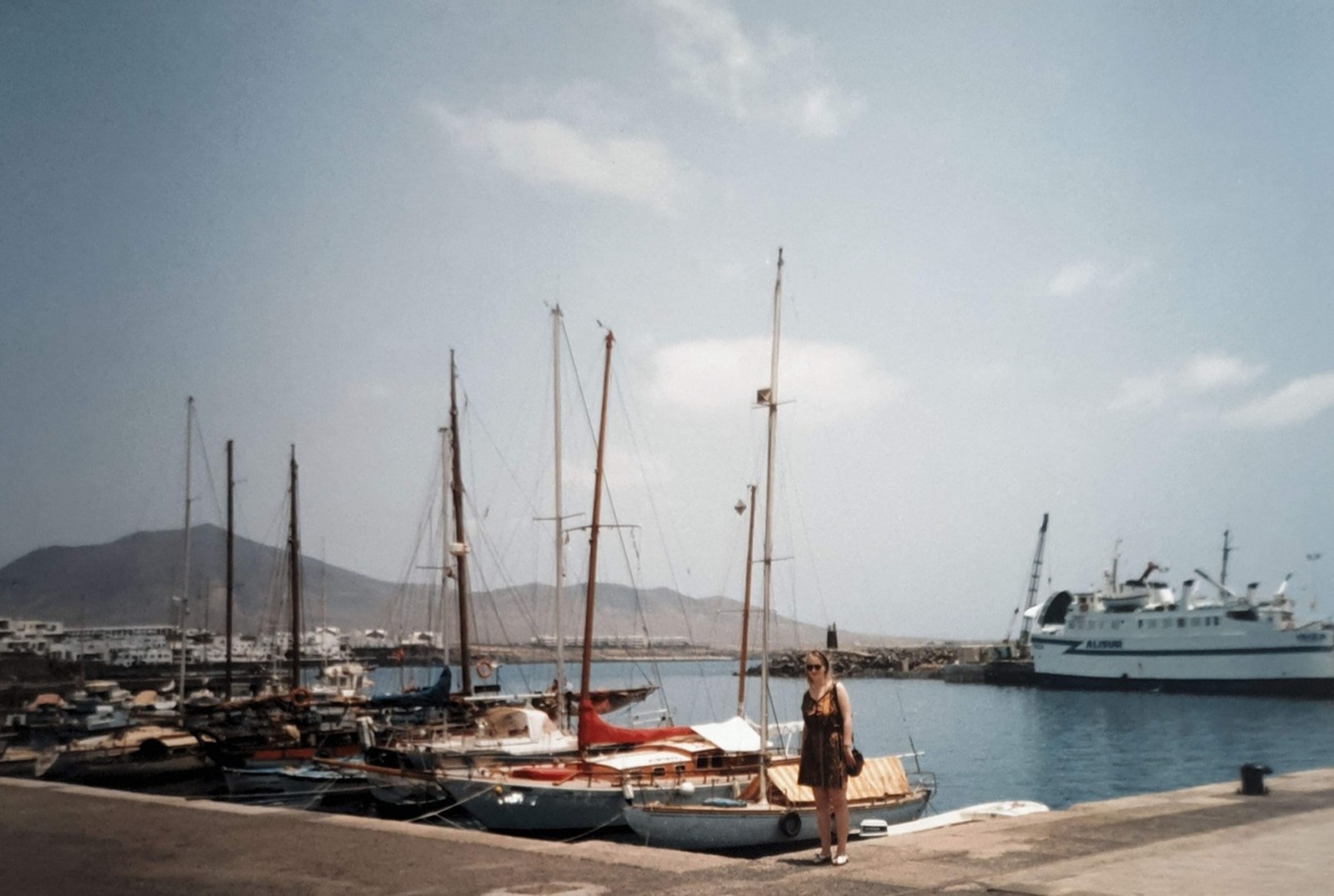
Tourism came late. In 1979 there were two small hotels with forty beds between them, and the first new houses belonged to island families who came down for the summer. The pier changed everything: built in those years, it became the starting point of a regular ferry to Corralejo. In 1990 the crossing was made by the Alisur; in 1998 alone, 610,000 passengers made it.
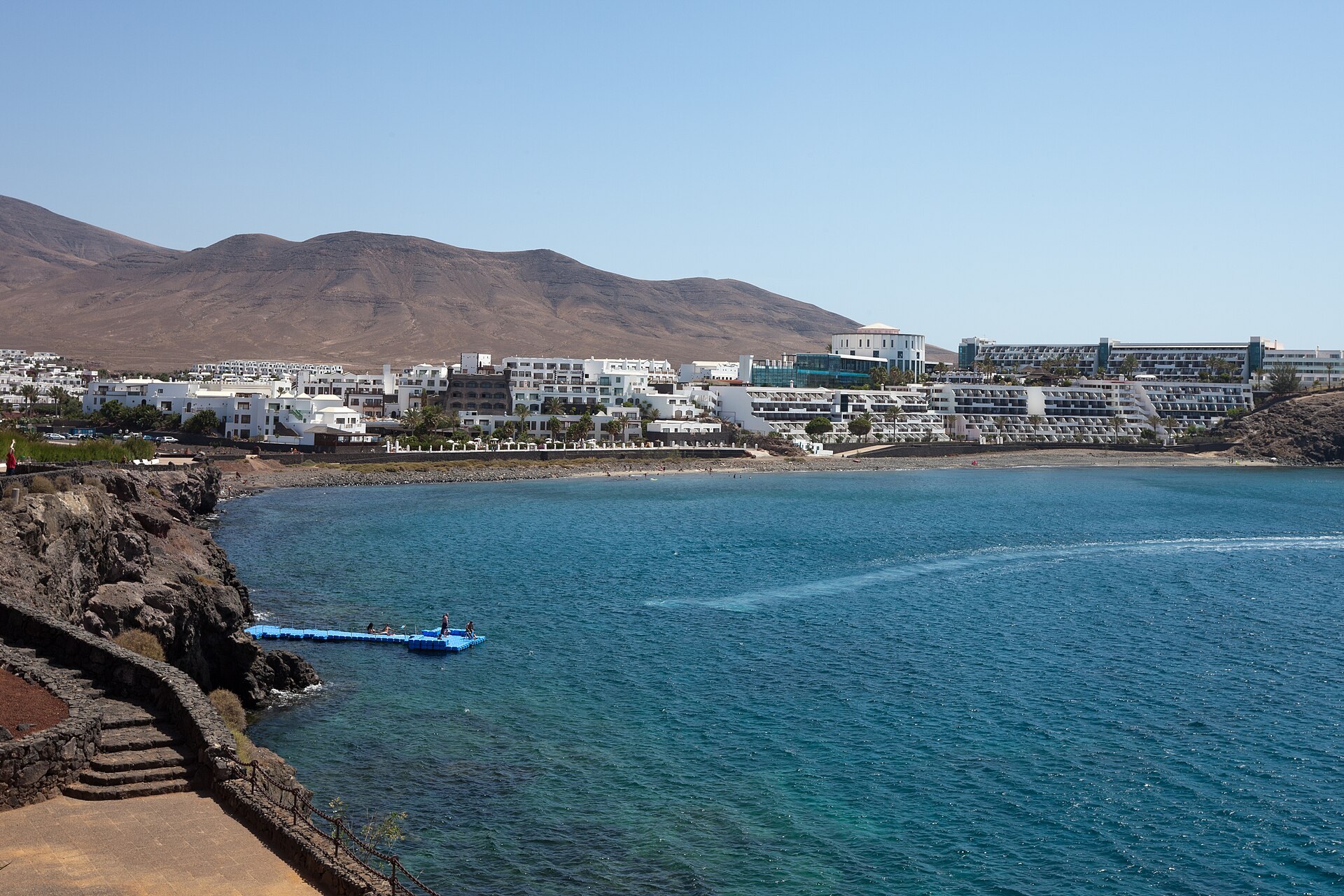
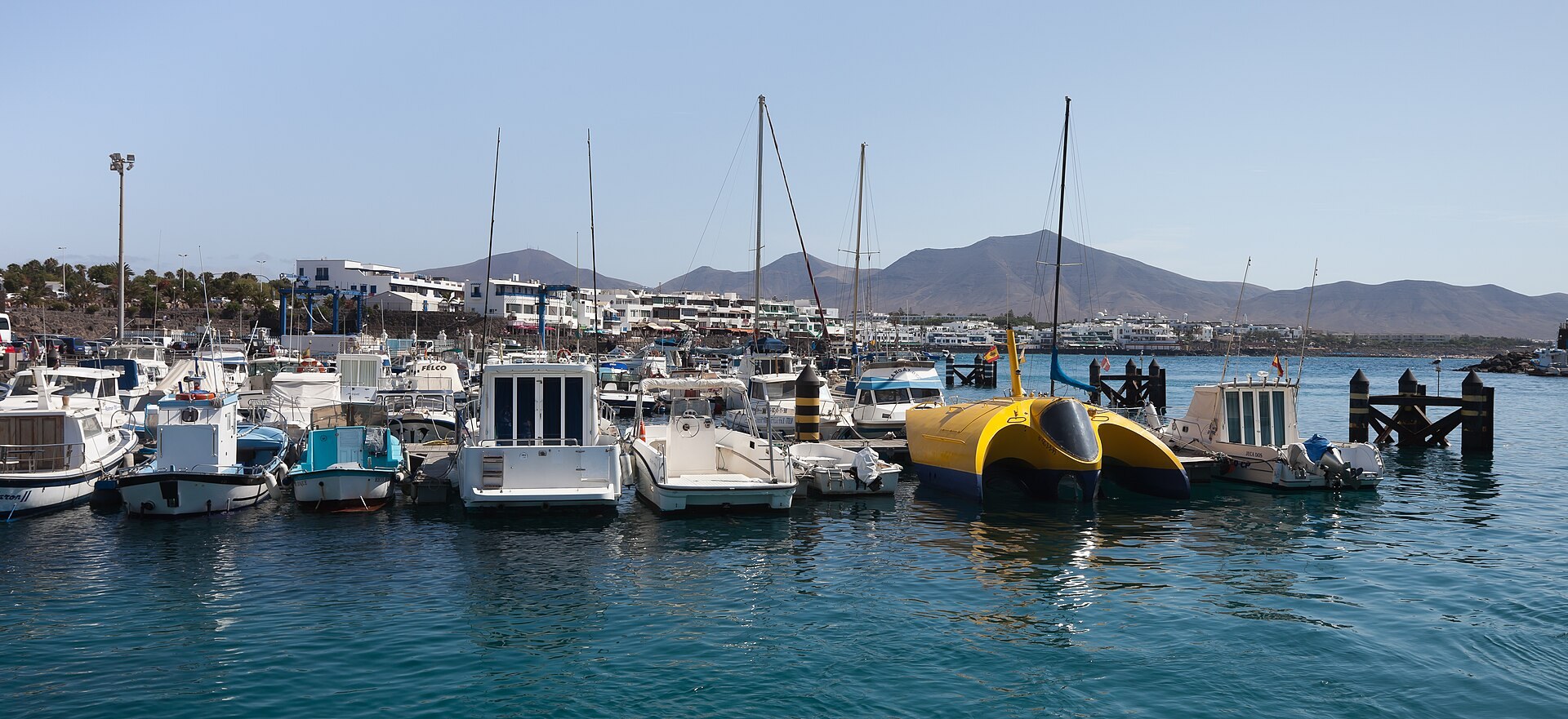
Today Playa Blanca has more than thirteen thousand residents and is Lanzarote’s second-largest town after Arrecife. Yet the village in the photos is still there: the little beach, the white houses, the fishing boats in the old harbour. Some thirty families still live from small-scale fishing.