People · Iglesia de Nuestra Señora de Guadalupe, Teguise
When Christmas in Lanzarote was sung
Long before the lights in the streets, Christmas on the island meant ranchos singing at dawn, shepherds dancing without ever turning their backs on the Child, sweets in every house and Kings arriving by camel.
By Livia Risi · 2026-11-21
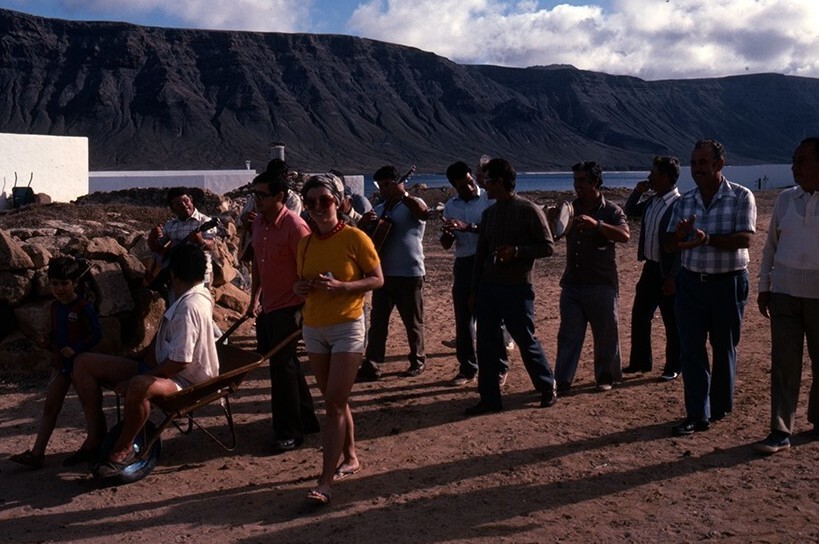
In the Lanzarote of old, Christmas began with music. From Saint Lucy’s Day, 13 December, the Ranchos de Pascua went out: heirs to the old Ranchos de Ánimas, who went door to door collecting for the souls of the dead and who, at Christmas, swapped their sad song for a joyful one. From 16 to 24 December they sang at the misas de la luz, the ‘masses of light’, which began at five in the morning, before dawn.
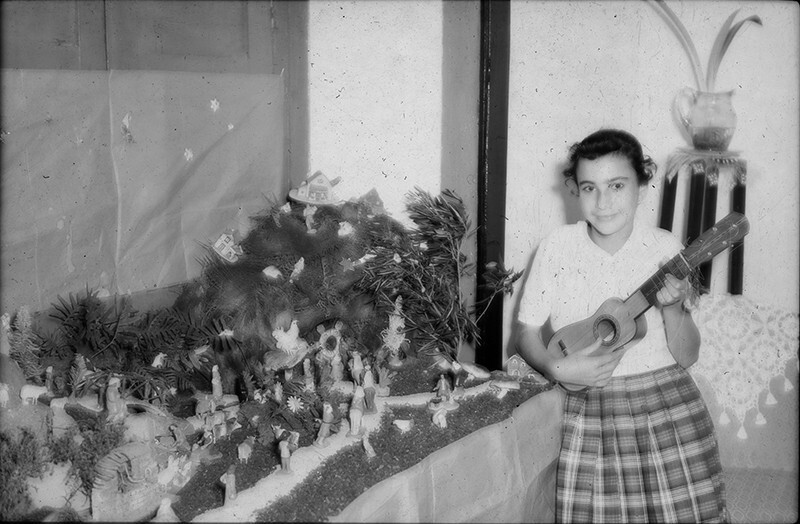
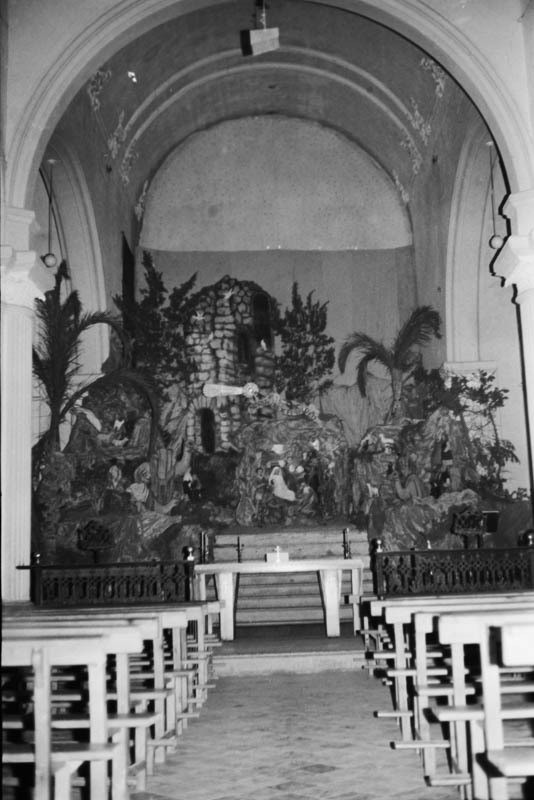
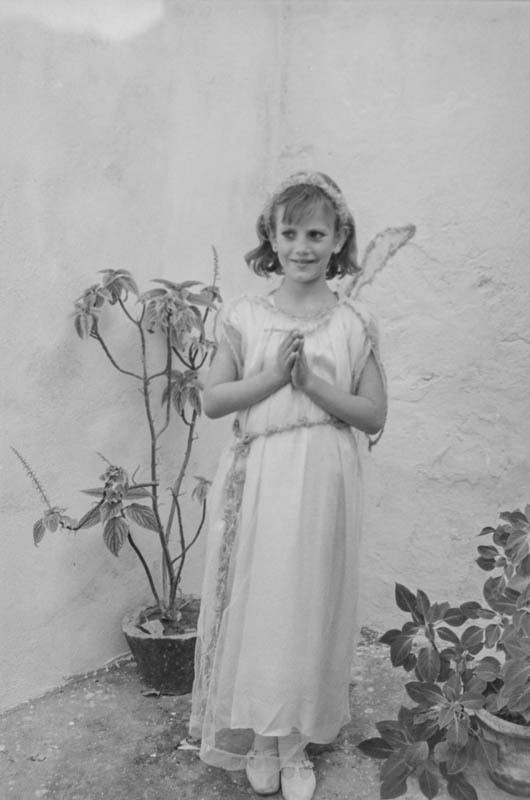
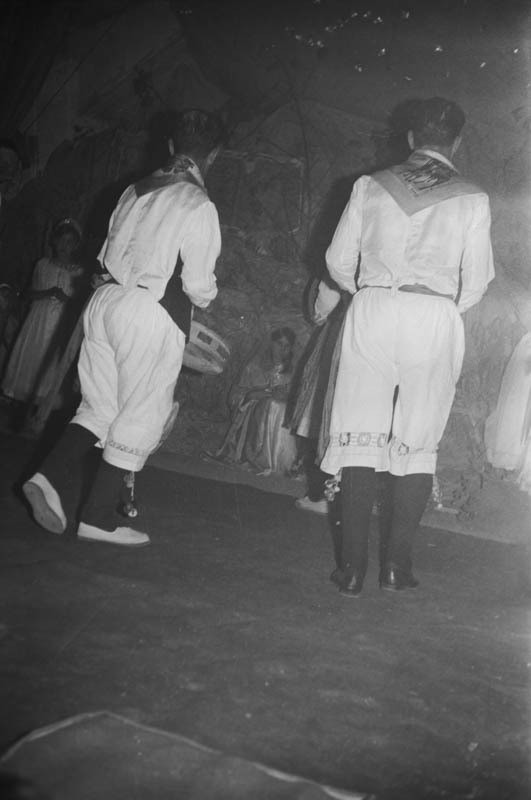
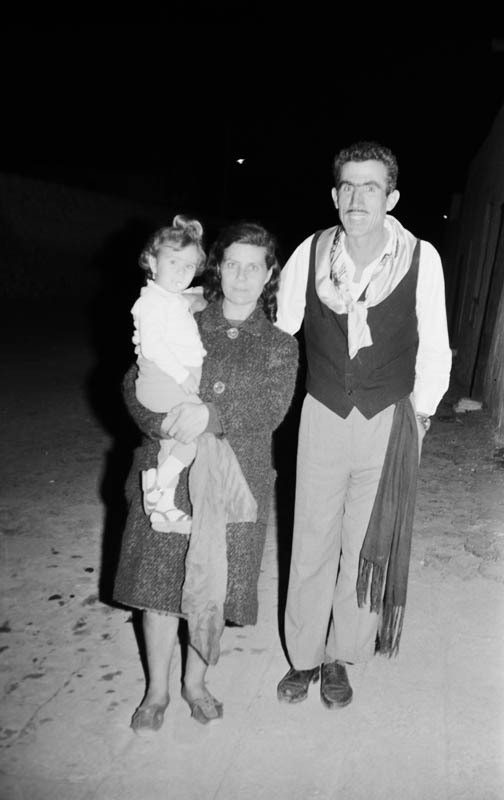
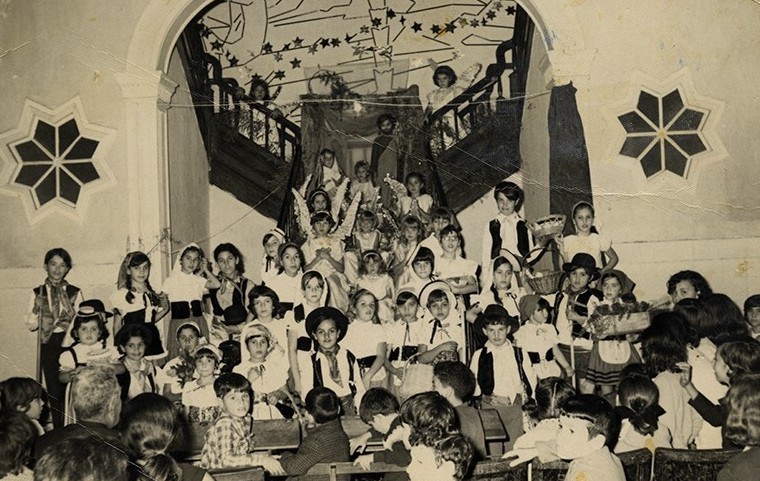
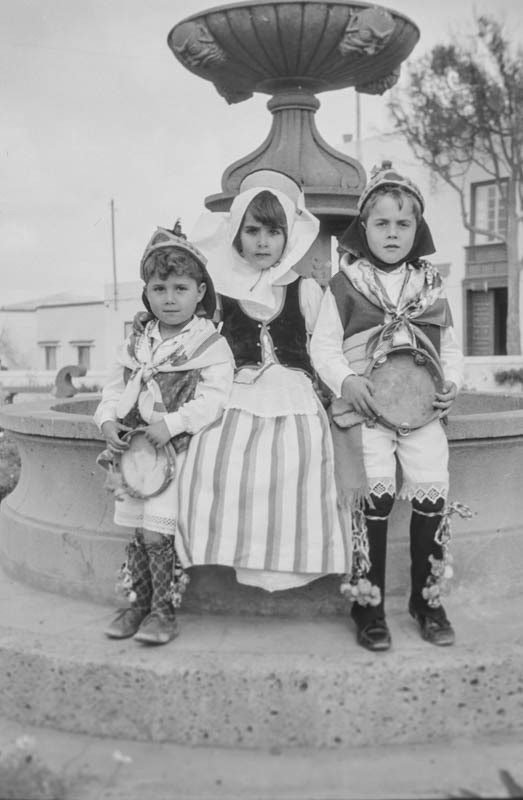
On Christmas Eve people came to Teguise from all over the island, by donkey, by camel, by cart or on foot. In the church of Guadalupe the Rancho, with tambourines, swords, triangles, jingles, timple and guitars, sang the Corrido, the shepherds’ march to Bethlehem, and danced the Salto: the dancers move forward and back but never turn their backs on the Child. With them came the children of the Rancho chico and the little angels of the living nativity.
Every village had its own ways. Tías had seven ranchos, and only one, drawn by lot, went into the church; the others stayed outside, competing to sing the clearest. In Femés, they say, people greeted the Child with whistles at the moment of his birth, until a priest banned it in the early 1900s. Carols called aguinaldos were sung at the doors, and the singers were given truchas, little sweet pastries, along with dried figs and wine; in Teguise, meat pies too.
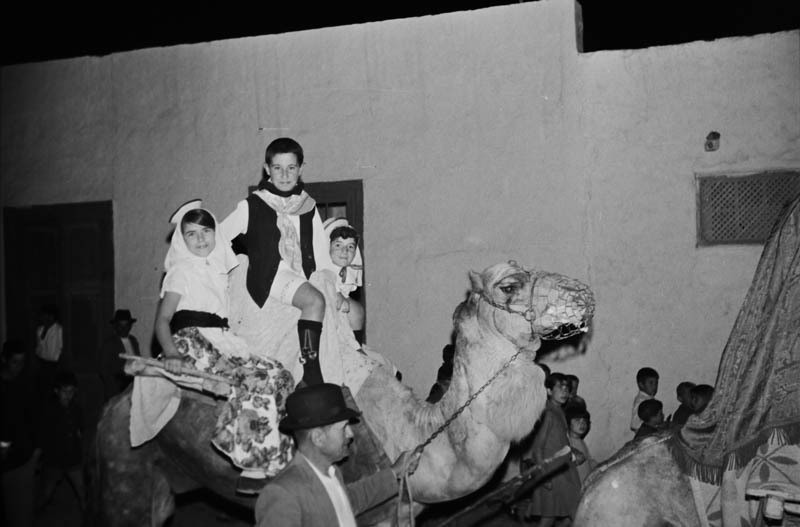
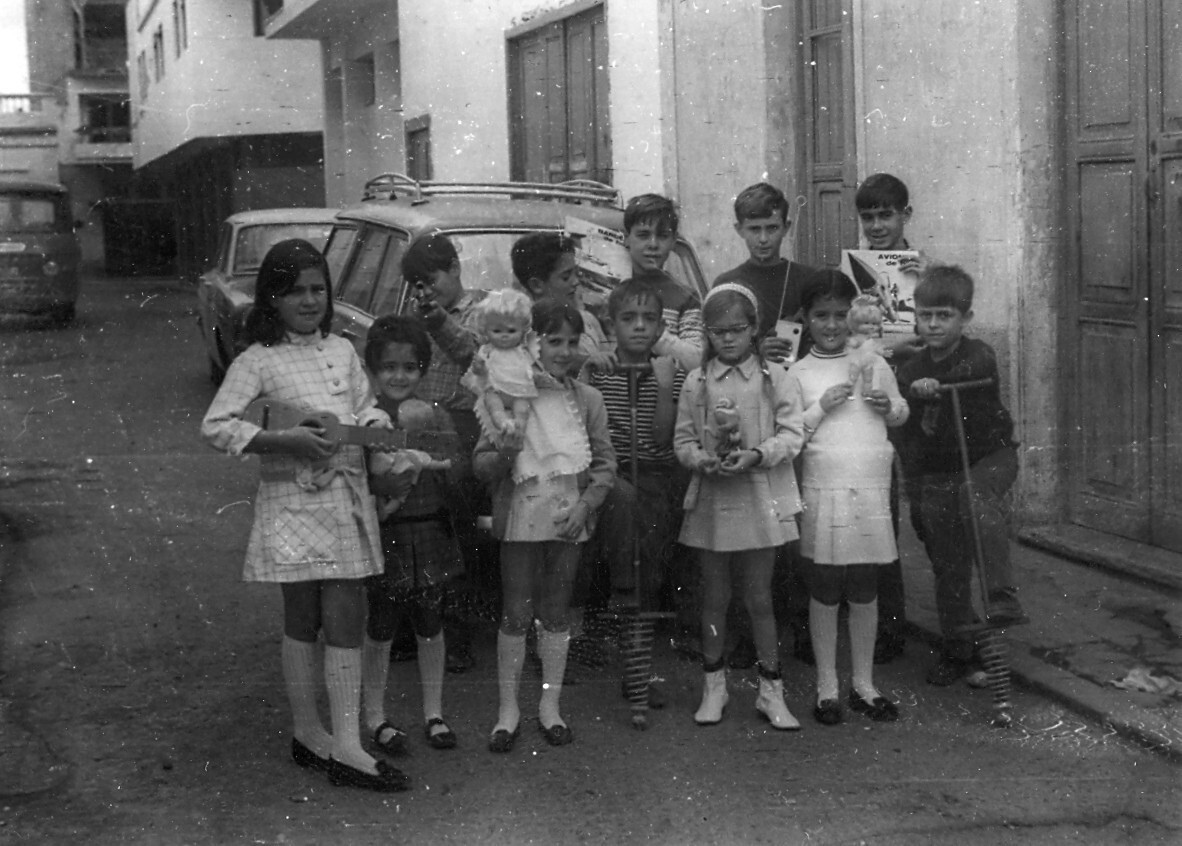
Presents came on 6 January. In Haría the Three Kings walked the streets, stop after stop, to the church, where they adored the Child and handed out gifts. In Teguise the procession rode on camels, and the night before, the Rancho and the living nativity went on stage at the theatre for the Drama de Reyes, a play the parish priest José Fajardo Morales had brought from Betancuria. Teguise’s Rancho de Pascua, the oldest in the Canary Islands, still sings every 24 December.