People · Costa Teguise (Teguise)
When Costa Teguise was salt and sand
Before the hotels there were salt pans, a beach for the San Juan festivities and a stretch of land everyone called “Río Tinto”. In the 1970s a new town was born there, with César Manrique in the gardens.
By Sol Juárez · 2026-11-26
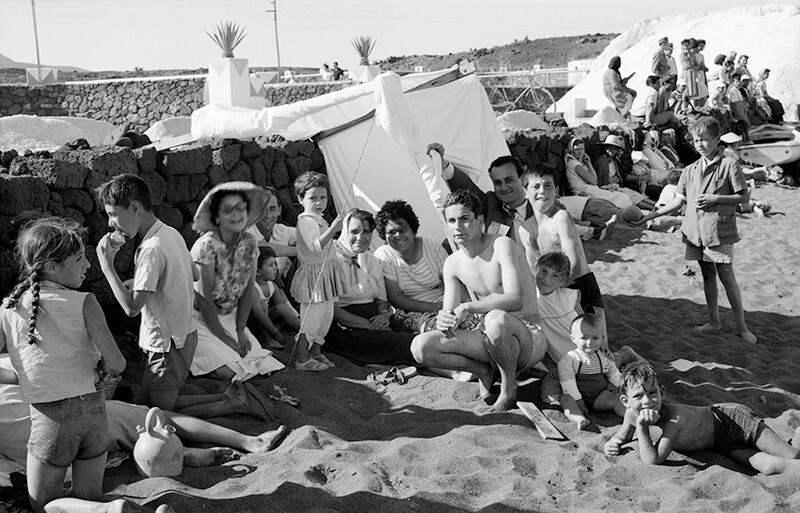
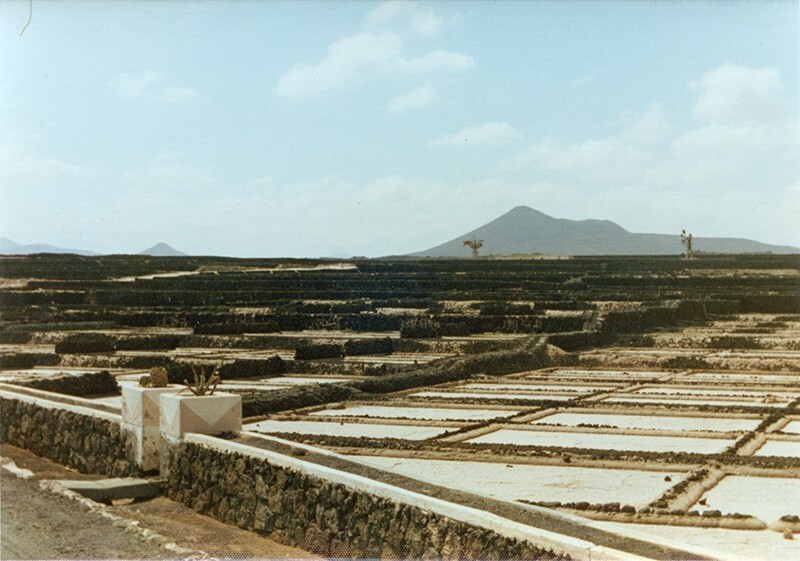
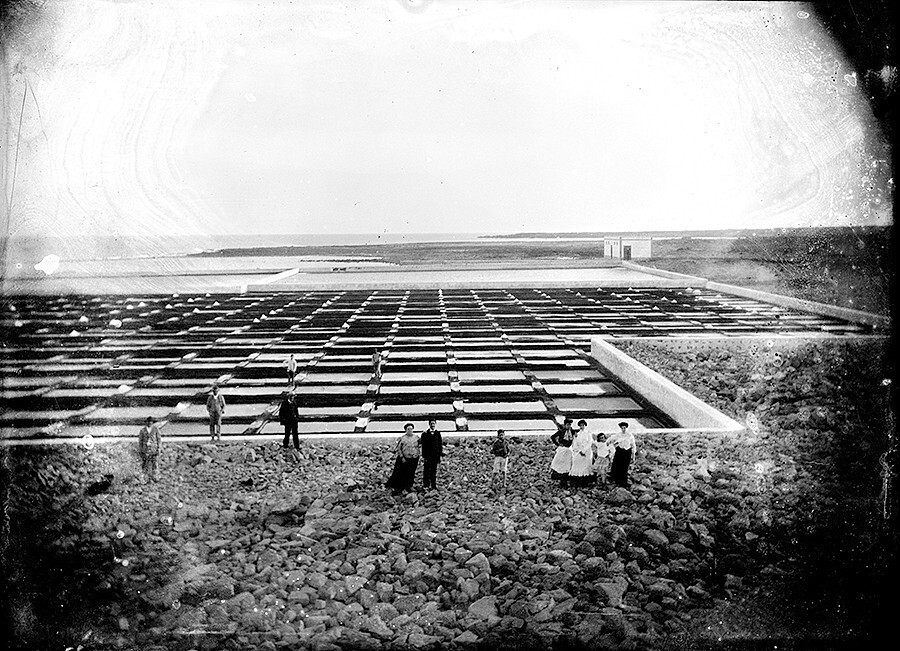
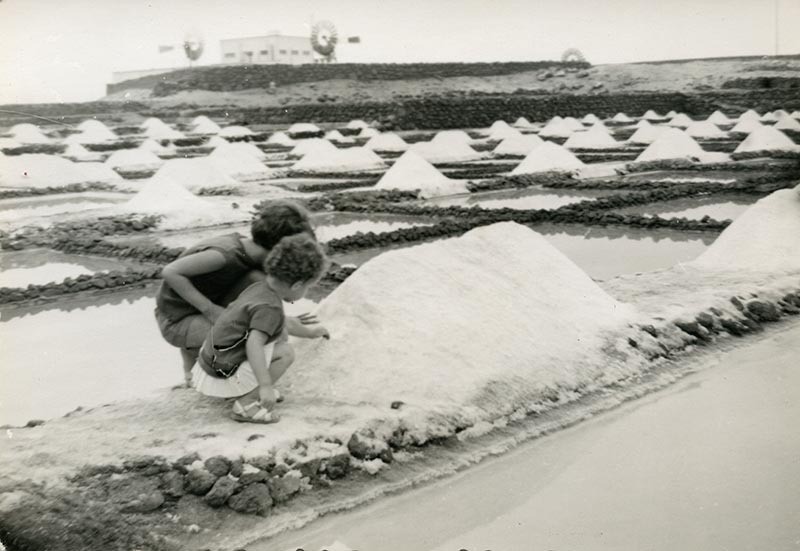
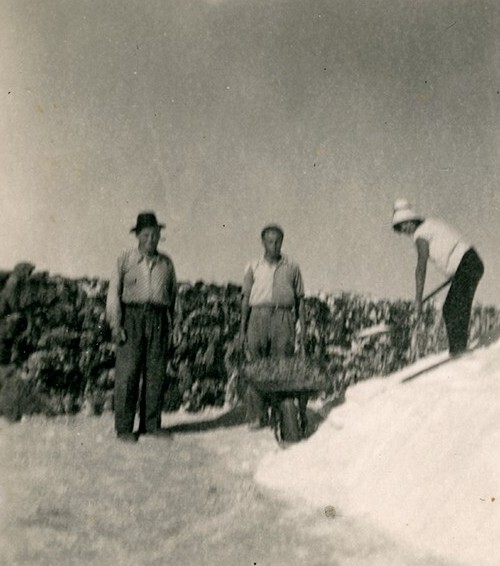
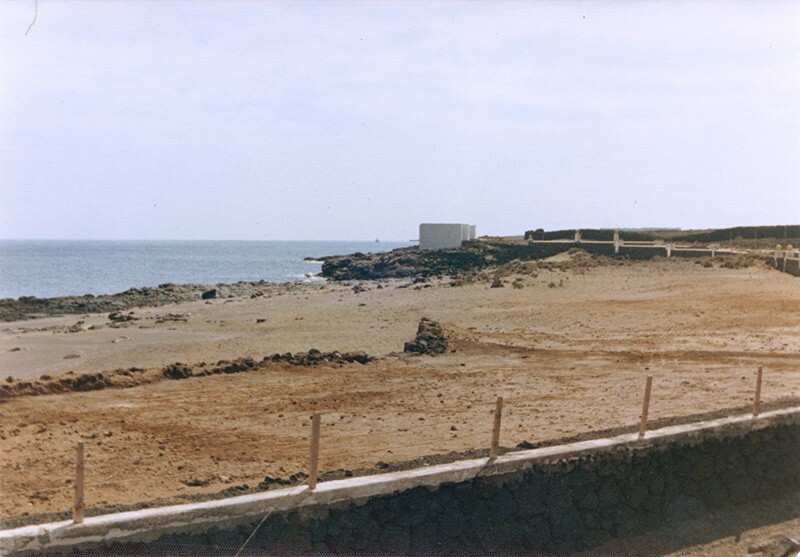
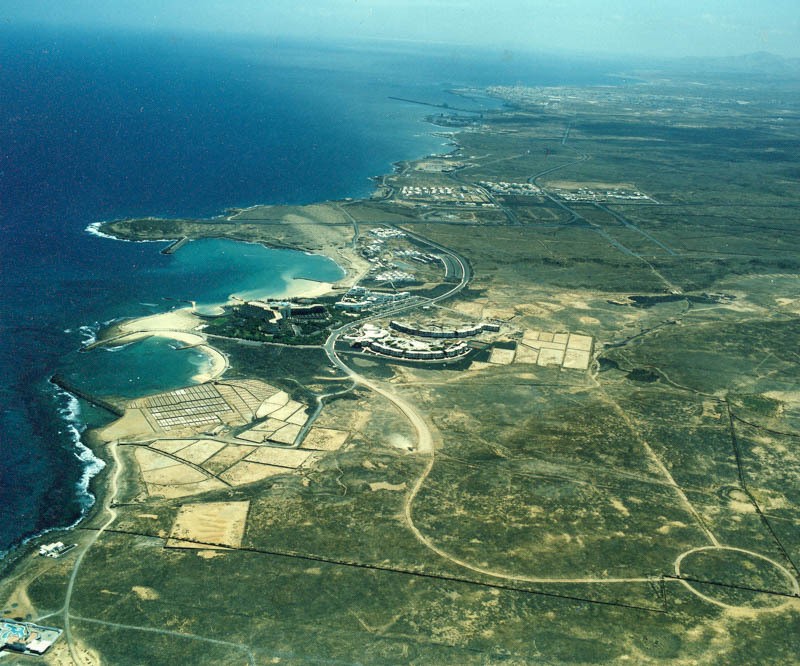
A hundred years ago, the coast between Arrecife and Los Ancones belonged to salt. Around 1905 Jacinto Alonso photographed a group of people at the salt pans here, and in the 1960s salt was still gathered at Las Caletas and Playa Bastián while children played among the white heaps. Today’s main avenue is called Los Cocederos, after the ponds where seawater turned into salt.
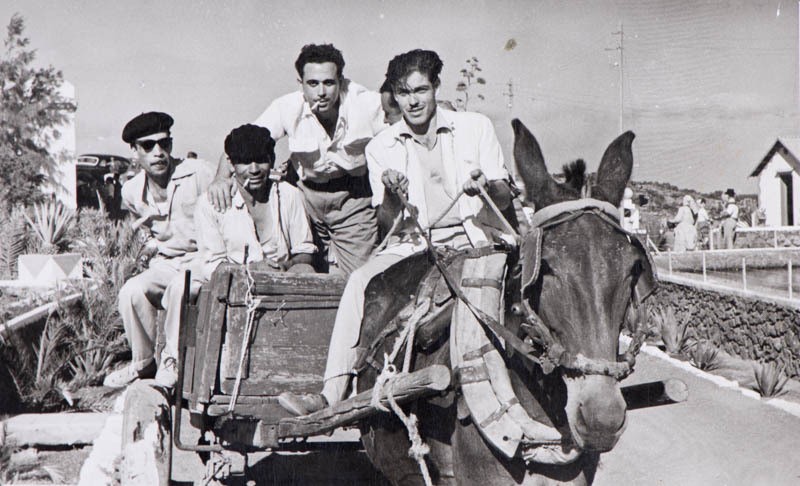
It was a place for parties too. Every 24 June, San Juan’s Day, families and friends came to Playa Bastián to spend the day by the sea, some all the way from Haría. In 1959 a group of friends arrived at Villa Toledo in a mule cart, and others put up awnings on the sand.
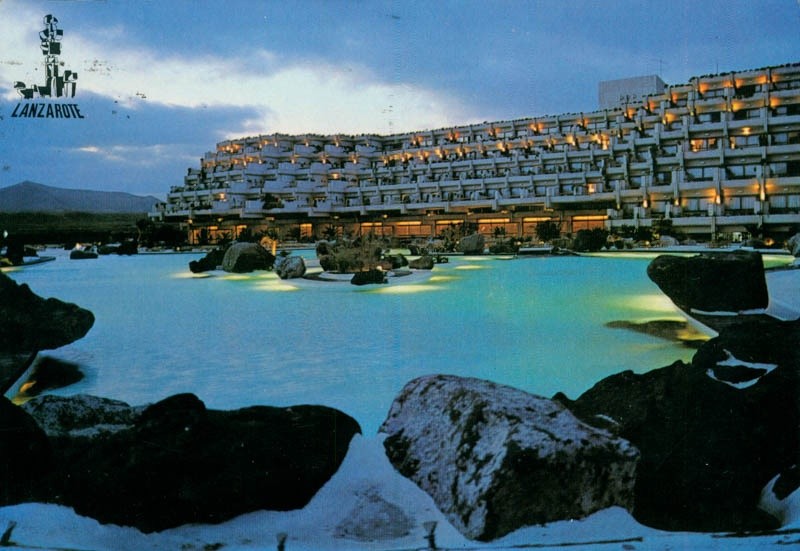
People called the land “Río Tinto”, because almost all of it, some twelve million square metres, belonged to the Río Tinto explosives company. On 2 September 1972 the plan to turn it into the “Urbanización Costa de Teguise” was approved, and over time the “de” was dropped. In 1977 the Hotel Las Salinas rose on the Los Charcos salt pans, designed by Fernando Higueras with gardens, pools and lounges by César Manrique: it was the island’s first five-star hotel. In 1978 the golf course opened, for years the only one on Lanzarote.
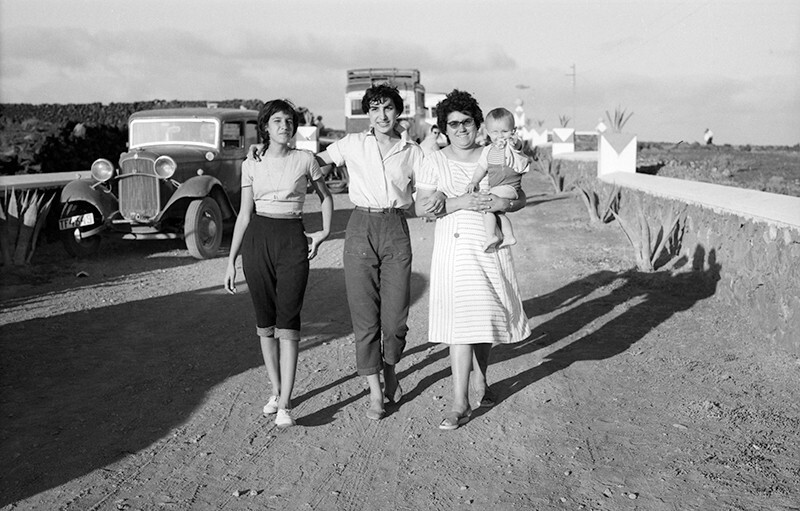
With the hotel came the Los Molinos apartments and the Pueblo Marinero, designed like a fishing village, also with Manrique’s touch. Today Costa Teguise has more than nine thousand residents, and for its fiftieth birthday the Teguise Historical Archive hung its old photos by Las Cucharas beach.