People · Arrecife, Lanzarote
When Arrecife lived on sardines
Before tourism, the island had five canning factories and a huge sardine fleet. Inside the sheds the workers were mostly women: hundreds in every factory.
By Pablo Vidal · 2026-11-04
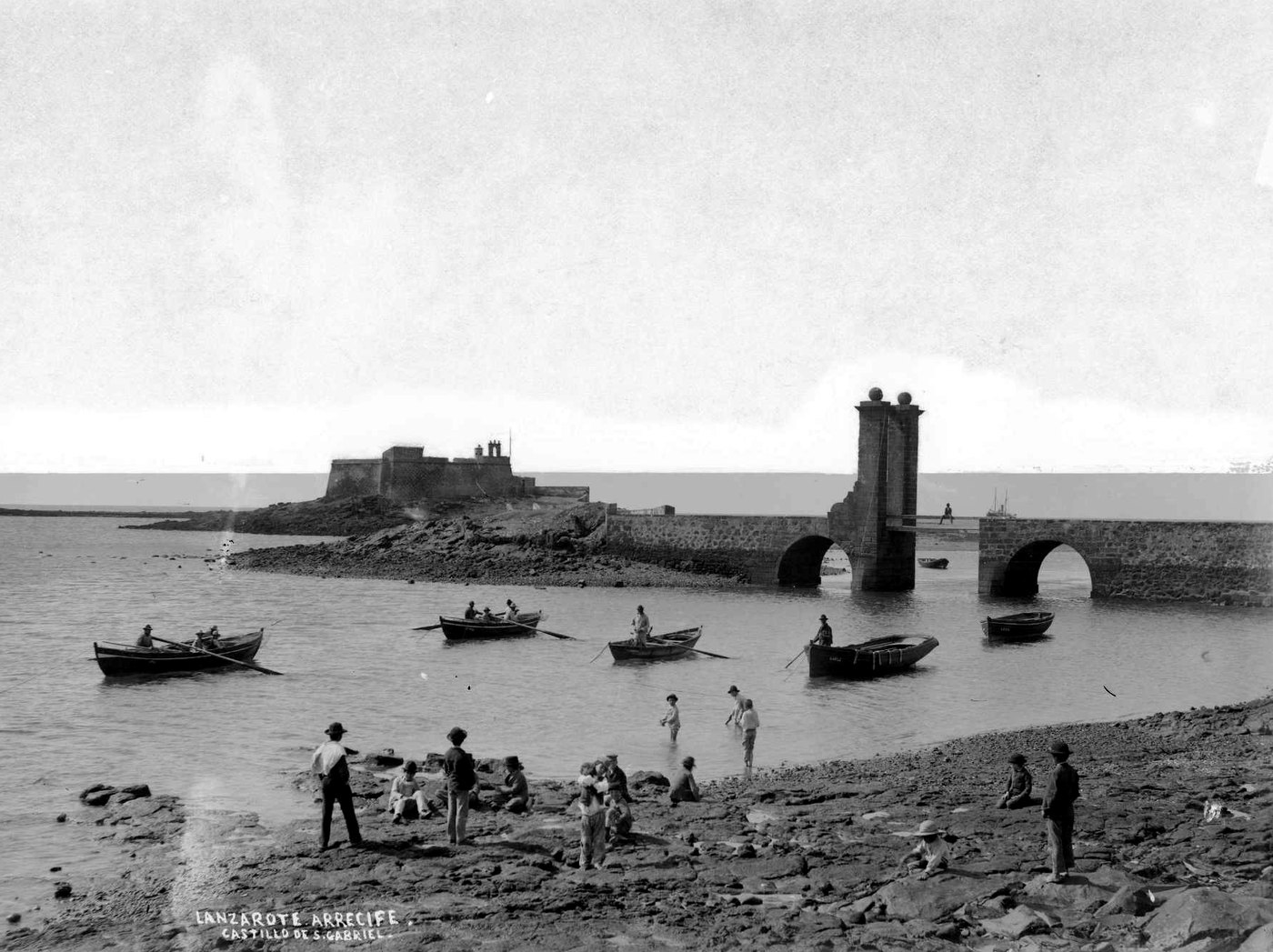
In the middle of the last century, Arrecife smelled of salt and fish. A sardine fleet tied up at Puerto Naos, worked the Canary-Saharan bank and came back loaded; ashore, the factories were waiting for it.
There came to be five: Lloret y Linares, Afersa — later Garavilla — Conservera Canaria, Hijos de Ángel Ojeda and Rocar. Each gave work to between two hundred and fifty and four hundred people, and most of them were women.
They were known as las conserveras. Many started very young, at thirteen or fourteen, often alongside their mother and sisters. They cleaned, cut and laid the sardines into the tin one by one, at a speed you learned by watching. When a boat came in, you worked; when it did not, you waited.
That industry was Lanzarote's first modern engine, long before tourism existed: it paid wages, built houses and kept half the town going. Between the fifties and the eighties, the island's port handled a large share of Spain's sardine catch.
Then, one by one, the sheds closed. Today there are walls, a couple of faded signs and a great deal of memory. Since 2023, on the Vía Perimetral, near where the Garavilla factory stood, a sculpture remembers those women: the ones who built, with their hands, the Arrecife that came afterwards.