
Words · A Casa José Saramago, Tías
A house made of books
In Tías, the house where José Saramago lived and wrote until 2010 still welcomes readers, its library and its light intact.
By Irya Picasso · 2026-10-05
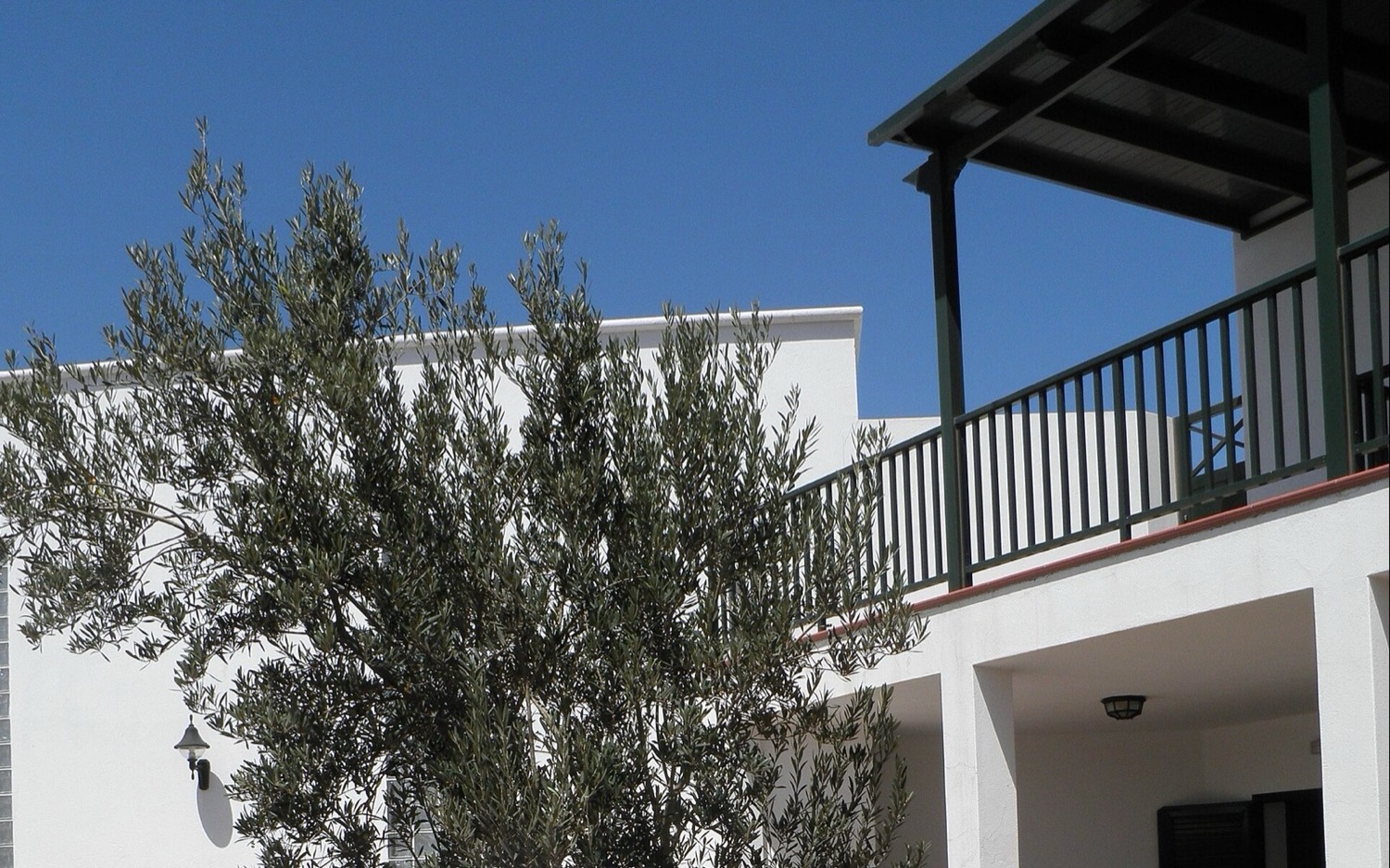
In February 1993, José Saramago and Pilar del Río settled on Lanzarote. They chose Tías: a white house with an olive tree before it. The Portuguese writer lived there until his death in 2010, and went on writing with a calm the island seemed to offer him.
He called it “a house made of books”, and the description still holds. Open to the public since 2011, it invites you into an ordered intimacy: everyday objects, books in every room, a desk still waiting.
The library of the last novels
The library, built in 2006, holds a special place. It was here that he wrote his final two novels, “The Elephant’s Journey” and “Cain”. The Nobel Prize in Literature had come in 1998, yet the house never shows off: it is a room for work and reading, not a monument.
The island found its way into his writing, too. In the “Cuadernos de Lanzarote”, his Lanzarote diaries, Saramago recorded daily life here; the first volume, covering 1993 to 1995, appeared in 1997. Later, Pilar del Río devoted a book to him, “La intuición de la isla. Los días de José Saramago en Lanzarote”, an intimate view of those shared years.
What strikes you as you move through it is the simplicity. There are no grand architectural gestures, no staging; just a writer’s life arranged around reading, conversation and the daily work of the desk. Anyone who knows his novels will recognise the same blend of rigour and tenderness in every corner. And anyone who has yet to read them will probably leave wanting to begin, which may be the finest compliment such a house can receive.
Visiting is a gentle way of reading him without opening a book. Walk slowly, look out of the windows at what he once looked at, and you begin to understand how a place can end up writing alongside the person who lives in it.